

In hydraulic fitting purchasing, SAE and JIC are often mentioned together, and many buyers consider them the same type of fitting.
This creates a common misunderstanding.
JIC is actually one category under SAE hydraulic fitting standards, but SAE itself covers a much wider range of hydraulic connection designs.
The main difference is:
- SAE = a broad family of hydraulic fitting standards
- JIC = a specific SAE 37° flare fitting connection
For hydraulic equipment manufacturers, distributors and replacement parts buyers, understanding this difference helps avoid incorrect fitting selection.
HBFittings focuses on brass fitting solutions, including brass adapters, brass hose barb fittings, brass compression fittings and customized brass connection parts. Its product range supports different thread and connection standards for plumbing, pneumatic and industrial fluid applications.
1. What Is SAE Hydraulic Fitting?
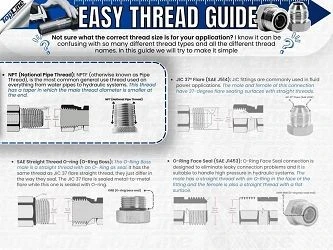
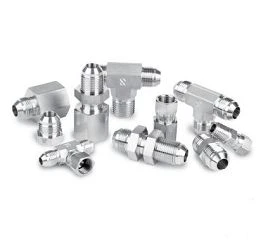
SAE stands for:
Society of Automotive Engineers
In hydraulic systems, SAE is not one single fitting type.
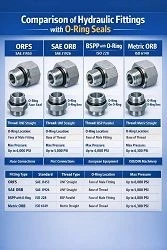
It includes different connection standards, such as:
- SAE J514 hydraulic fittings
- SAE J1926 O-Ring Boss (ORB)
- SAE J1453 O-Ring Face Seal (ORFS)
- SAE J512 flare fittings
- SAE J516 hose fittings
Different SAE standards define:
- Thread dimensions
- Sealing method
- Pressure requirements
- Material requirements
- Application conditions
For example:
|
SAE Type |
Connection Method |
Typical Application |
|
SAE J514 / JIC |
37° flare |
Hydraulic systems |
|
SAE ORB |
O-ring thread seal |
High pressure hydraulic ports |
|
SAE ORFS |
O-ring face seal |
Leakage-sensitive hydraulic systems |
|
SAE 45° flare |
Flare seal |
Automotive, refrigeration |
SAE therefore describes the standard system, while JIC describes a specific connection style.
2. What Is JIC Hydraulic Fitting?
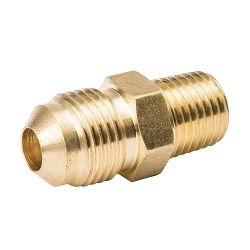
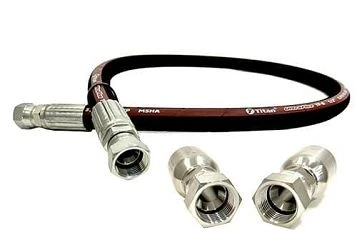
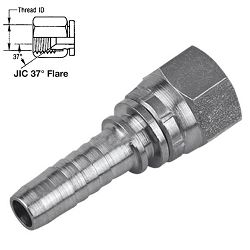
JIC means:
Joint Industry Council
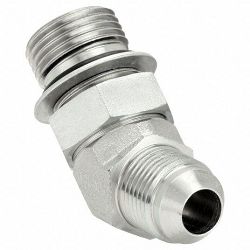
JIC fittings are based on the SAE J514 37° flare design.
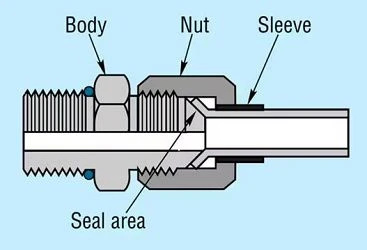
The main structure includes:
- Fitting body
- Sleeve
- Nut
- 37° flare seat
The sealing happens between:
37° male flare cone + 37° female flare seat
The thread only provides mechanical tightening.
Key features:
- 37° flare angle
- UNF thread
- Metal-to-metal sealing
- No O-ring required
- Suitable for hydraulic pressure systems
JIC fittings are widely used in:
- Mobile hydraulic equipment
- Agricultural machinery
- Construction machinery
- Hydraulic hoses
- Industrial hydraulic systems
3. SAE vs JIC Hydraulic Fittings Comparison Table
|
Item |
SAE Hydraulic Fittings |
JIC Hydraulic Fittings |
|
Definition |
Complete hydraulic fitting standard family |
Specific SAE flare fitting type |
|
Standard example |
SAE J514, J1926, J1453 |
SAE J514 |
|
Connection type |
Multiple types |
37° flare |
|
Sealing method |
Depends on design |
Metal-to-metal flare |
|
Thread type |
UNF, straight thread, others |
UNF straight thread |
|
Main applications |
Hydraulic, automotive, industrial |
Hydraulic hose systems |
|
Pressure range |
Depends on type |
Medium to high pressure |
|
O-ring usage |
Some SAE types use O-rings |
Normally no O-ring |
|
Maintenance |
Depends on connection |
Easy assembly/disassembly |
4. SAE JIC vs SAE ORB Difference
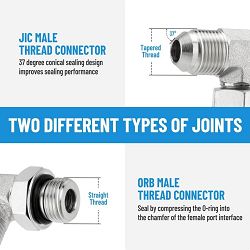
Many hydraulic buyers compare:
- JIC
- ORB
because both are common SAE hydraulic connections.
JIC
Sealing:
37° flare
Advantages:
- Simple structure
- Easy inspection
- Reusable
- Good vibration resistance
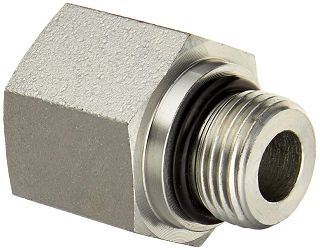
SAE ORB (O-Ring Boss)
Sealing:
O-ring on straight thread
Advantages:
- Excellent leakage control
- Suitable for high-pressure hydraulic ports
- Compact installation
Applications:
- Hydraulic valves
- Manifolds
- Pumps
- Cylinders
5. Connection Structure Difference
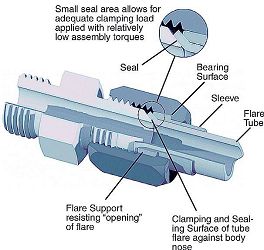
JIC Structure
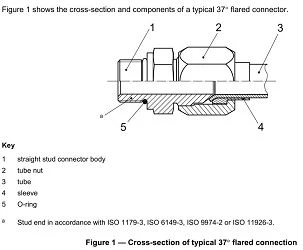
Components:
- Tube flare
- Sleeve support
- Nut tightening
- Cone contact sealing
Advantages:
- No seal replacement required
- Easy maintenance
- Suitable for field service
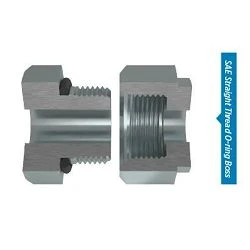
SAE ORB Structure
Components:
- Straight thread
- O-ring groove
- Port connection
Advantages:
- Better leakage prevention
- Suitable for compact hydraulic blocks
6. Thread Difference Between SAE and JIC
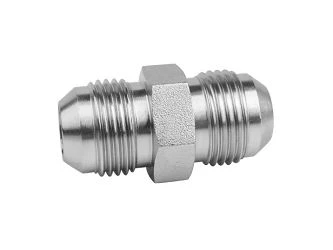
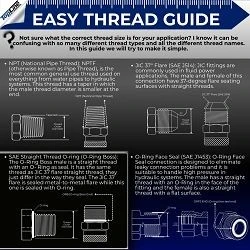
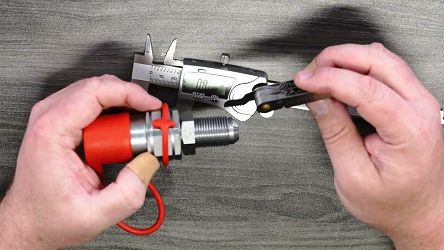
JIC fittings normally use:
- UNF straight threads
Examples:
- 7/16-20
- 1/2-20
- 9/16-18
- 3/4-16
Some SAE hydraulic fittings also use UNF threads, which causes confusion.
However:
Same thread does not mean same sealing method.
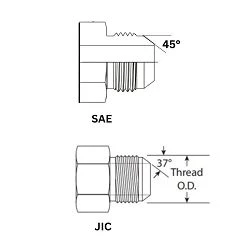
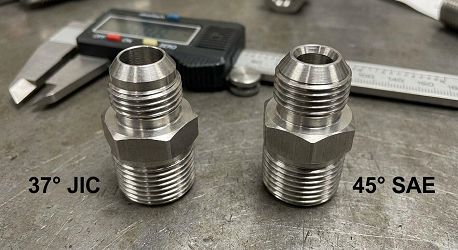
For example:
- JIC → 37° flare
- SAE 45° → 45° flare
They may screw together but cannot seal correctly.
7. JIC vs SAE 45° Flare Fittings
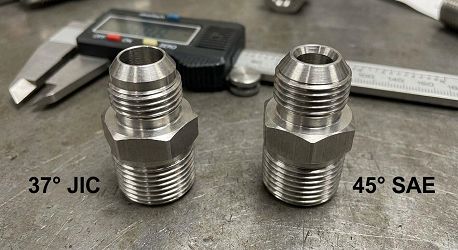
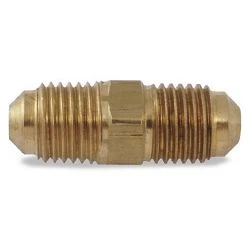
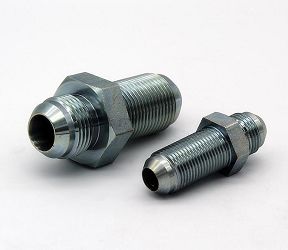
This is one of the most common mistakes.
Both look similar:
- Flare connection
- Similar threads
- Similar appearance
But:
|
Feature |
JIC |
SAE 45° Flare |
|
Flare angle |
37° |
45° |
|
Standard |
SAE J514 |
SAE J512 |
|
Application |
Hydraulic systems |
Automotive/HVAC |
|
Pressure capability |
Higher |
Lower |
|
Interchangeable |
No |
No |
A 37° JIC fitting cannot replace a 45° SAE flare fitting.
The fitting may tighten, but the flare surfaces do not match.
This creates:
- Leakage
- Damaged seats
- Connection failure
8. Pressure Performance Comparison
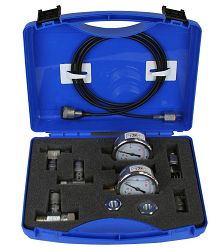
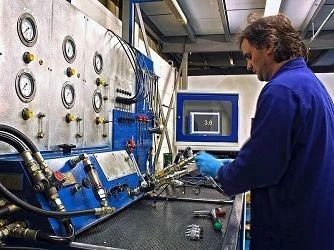
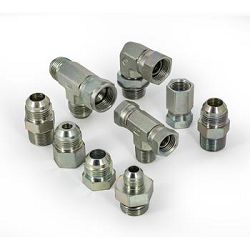
Pressure performance depends on:
- Fitting design
- Material
- Size
- Tube/hose specification
- Installation torque
JIC Advantages
Suitable for:
- Hydraulic hoses
- Mobile equipment
- Pressure control systems
Reasons:
- Metal flare seal
- Reliable under vibration
- Easy maintenance
Other SAE Fittings
Some SAE designs provide higher leakage control.
Example:
SAE ORFS:
- O-ring face seal
- Better for extreme leakage requirements
Applications:
- Heavy equipment
- Hydraulic power systems
- Precision machinery
9. Application Comparison
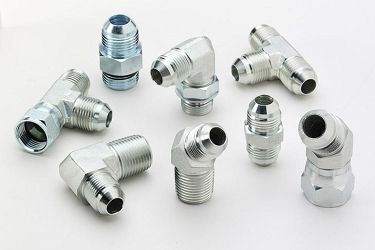
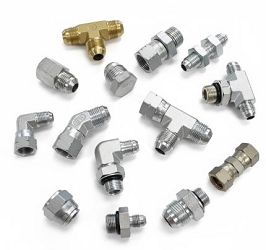
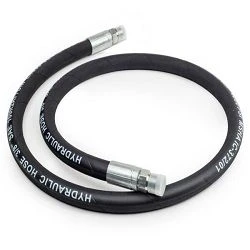
JIC Applications
Common in:
Construction Equipment
- Excavators
- Loaders
- Cranes
Agricultural Machinery
- Tractors
- Harvesters
Hydraulic Systems
- Hydraulic cylinders
- Hydraulic pumps
- Hydraulic hoses
SAE Applications
Broader applications:
Automotive
- Fuel systems
- Brake systems
Hydraulic Equipment
- Valves
- Manifolds
- Power units
Industrial Systems
- Automation equipment
- Machinery connections
10. Brass JIC and SAE Fitting Applications
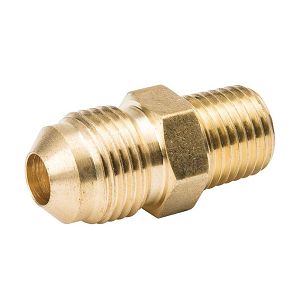
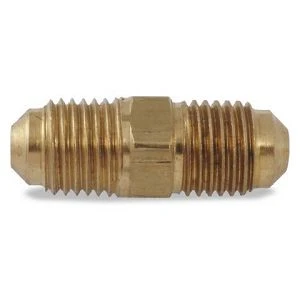
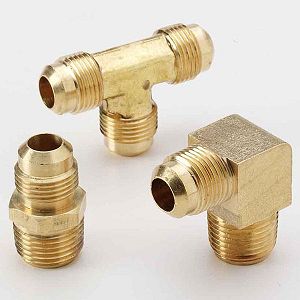
Although many high-pressure hydraulic fittings use steel or stainless steel, brass fittings are widely used in:
- Pneumatic systems
- Instrumentation
- Low to medium pressure fluid systems
- Water systems
- Fuel applications
HBFittings specializes in brass fitting manufacturing, including:
- Brass adapters
- Brass hose barb fittings
- Brass compression fittings
- Brass threaded fittings
Available customization:
- Thread type
- Material grade
- Shape
- Size
- Drawing-based production
11. Material Selection: Brass, Stainless Steel and Steel
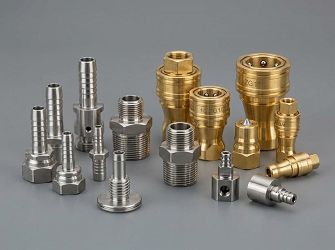
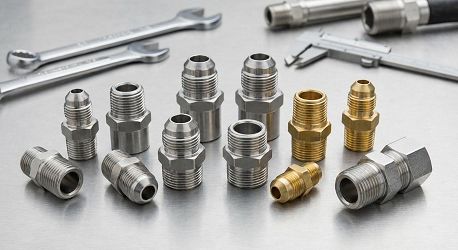
Brass
Suitable for:
Pneumatic systems
Water
Air
Instrumentation
Advantages:
Excellent machinability
Good corrosion resistance
Lower cost
Stainless Steel
Suitable for:
Corrosive environments
Marine systems
Chemicals
Carbon Steel
Suitable for:
High-pressure hydraulic systems
Heavy equipment
12. How to Identify SAE and JIC Fittings
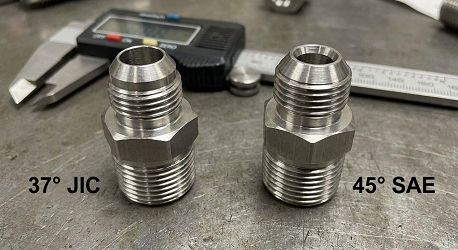
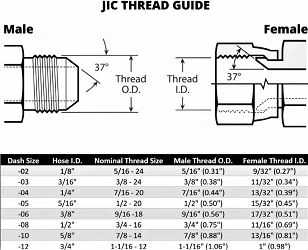
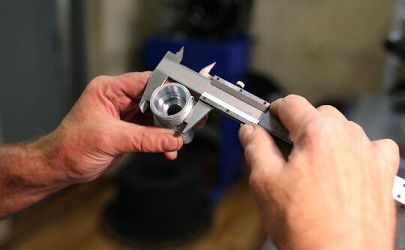
Check:
Seat Angle
- JIC → 37°
- SAE flare → 45°
Thread
Measure:
- Diameter
- Pitch
- Thread type
Sealing Method
Check:
- Flare
- O-ring
- Face seal
Equipment Standard
Confirm:
Manufacturer drawing
Existing fitting marking
Hydraulic diagram
13. Common Purchasing Mistakes
Mistake 1
Thinking SAE and JIC are identical.
Correct:
JIC is one SAE hydraulic fitting type.
Mistake 2
Replacing JIC with SAE 45° flare.
Wrong:
Different flare angles.
Mistake 3
Choosing by thread only.
Thread matching does not guarantee sealing.
Mistake 4
Ignoring pressure requirements.
A fitting designed for low pressure should not be installed in a high-pressure hydraulic circuit.
14. HBFittings Hydraulic Brass Fitting Solutions
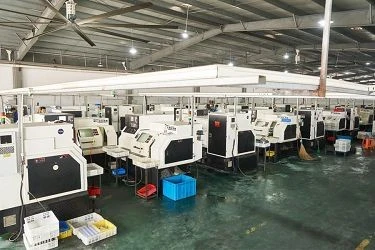
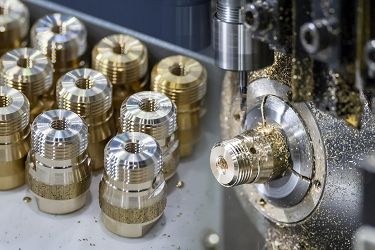
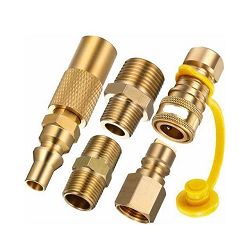
HBFittings provides customized brass fitting solutions for:
Connection Types
- Threaded fittings
- Compression fittings
- Hose barb fittings
- Adapter fittings
Thread Options
- BSP
- BSPT
- BSPP
- Metric
- NPT
- Customer specifications
Manufacturing Support
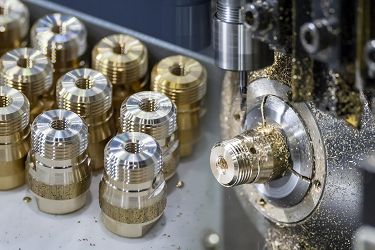
- CNC machining
- Forging
- Thread processing
- OEM production
15. SAE vs JIC Selection Guide
|
Application |
Recommended Choice |
|
Mobile hydraulic equipment |
JIC |
|
Hydraulic hose assembly |
JIC |
|
Construction machinery |
JIC |
|
Agricultural equipment |
JIC |
|
Hydraulic valve block |
SAE ORB |
|
Leakage-sensitive system |
SAE ORFS |
|
Automotive fuel line |
SAE flare |
|
Pneumatic equipment |
Brass SAE/JIC type fittings |
|
OEM hydraulic equipment |
Match original SAE standard |
Conclusion
SAE and JIC are closely related but should not be treated as the same term.
SAE represents a complete range of hydraulic fitting standards.
JIC is a specific SAE 37° flare hydraulic fitting widely used for hose assemblies and mobile hydraulic equipment.
The correct selection depends on:
- Connection structure
- Sealing method
- Pressure requirement
- Equipment standard
For HBFittings customers, the most important point is not whether a fitting is called SAE or JIC, but whether the thread, sealing surface and application requirements match the existing hydraulic system.
A JIC fitting is usually the right choice for SAE-based hydraulic hose connections, while other SAE designs such as ORB and ORFS should be selected when the system requires different sealing performance.


