

Compression Tube Fittings
Compression tube fittings are mechanical fittings used to connect two pipes or tubes in various systems, such as plumbing, gas lines, and hydraulic systems, without requiring soldering or welding. These fittings use a compression mechanism to create a secure, leak-tight seal between the pipe or tubing and the fitting itself. Compression fittings are commonly used in both residential and industrial applications due to their ease of installation, durability, and versatility.
Here’s a detailed breakdown of compression tube fittings:
1. Components of Compression Fittings
Compression fittings typically consist of three main components:
Fitting Body: The main part of the fitting that houses the compression components and connects to the tube or pipe.
Compression Nut: A nut that tightens onto the fitting body, compressing the ferrule against the pipe and fitting to create a seal.
Compression Ferrule (or Olive): A ring, often made of brass, copper, or plastic, placed between the nut and pipe that deforms slightly under pressure to create a tight, leak-proof seal when the nut is tightened.
-
 Stainless Steel Compression Union ElbowSize :1/16”-1 1/2”inch tube, 2mm-38mm metric tubeMaterial :SS304,SS316,SS304L,SS316L,A105Pressure :Up to 6000psi (413bar)Nut with silver plating ,can make life long .stainless steel material not easyAdd to Inquiry
 -
 Stainless Steel Compression Union Tee1.instrument compression tube fitting , union tee2.size :1/16 to 2inch tube, 2mm to 50mm metric tube3.Pressure :3000-6000psi4.Material grades: SS 304, SS 316, Brass, Special Alloys.5.WorkingAdd to Inquiry
 -
 Stainless Steel Compression UnionSize :1/16”-1 1/2”inch tube, 2mm-38mm metric tubeMaterial :SS304,SS316,SS304L,SS316L,A105Pressure :Up to 6000psi (413bar)Nut with silver plating ,can make life long .stainless steel material not easyAdd to Inquiry
 -
 Double Ferrule Union Tube Fittings Male ConnectorDouble Ferrule Union Tube Fittings Male Connectors are engineered to establish high-integrity mechanical transitions between instrumentation tubing and female threaded ports. Utilizing an advancedAdd to Inquiry
-
 EN331 Approved Nickel Plated Brass Gas Ball Valve | Nozzl...
 -
 1/2" Female X 3/8" Flare Angle Brass Gas Ball Valve With ...
 -
 600 PSI WOG Brass Female Gas Ball Valve For Gas Piping Sy...
 -
 Brass Flare X Flare Gas Ball Valve | OEM/ODM Manufacturer
 -
 Brass Gas Flare Ball Valve Male Thread Brass Valve With B...
 -
 600 PSI Female-Male Brass Gas Ball Valve Standard Size Tw...
 -
 600 PSI Brass Gas Ball Valve Two Piece Threaded Connectio...
 -
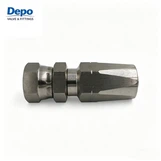 Stainless Steel Reusable Fitting Supplier Hydraulic Hose ...
 -
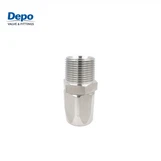 Stainless Steel Male Pipe Reusable Hydraulic Hose Fittings
 -
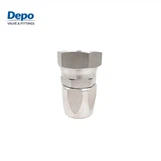 Stainless Steel Female JIC 37° Swivel Reusable Hydraulic ...
 -
 High Quality High Pressure Elbow Forged Pipe Fittings For...
 -
 Forged 316 Stainless Steel Pipe Fittings Socket Welding S...
 -
 High Pressure Stainless Steel Pipe Nipple Fittings Male/F...
 -
 Factory Customized Stainless Steel Pipe Fitting 1/2 In. T...
 -
 Thread And Socket Welding Pipe Union Connector Pipe Syste...
 -
 Stainless Steel Threaded Eccentric Coupling Thread Pipe C...
Tel: +86-714-6387131
Phone: 86-18271622836
- Email: summer@hbfittings.net
- Add: Xialu District, Guilin North Road, #16, 11-12 Building
2. Types of Compression Tube Fittings
Compression fittings come in several configurations to suit different piping or tubing systems:
Standard Compression Fittings: These are the most common type, typically used in low to medium-pressure systems (e.g., residential water systems).
Double-Ferrule Fittings: Used in high-pressure or critical systems, these fittings have two ferrules instead of one. The front ferrule seals the tube, while the back ferrule grips the tube to prevent slippage, providing extra security and durability.
Bulkhead Compression Fittings: Designed for installation through a panel or wall, allowing a tube or pipe to pass through a bulkhead.
Elbow, Tee, and Union Fittings: Available in various shapes like elbows (for 90-degree turns), tees (for splitting or combining flow), and unions (for connecting two pipes or tubes).
3. Materials Used
Compression tube fittings are made from various materials to suit different applications and environments:
Brass: Brass fittings are commonly used in water, gas, and oil applications. Brass is corrosion-resistant, durable, and easy to machine.
Stainless Steel: Stainless steel compression fittings are used in high-pressure, high-temperature, or corrosive environments, such as chemical processing or instrumentation.
Plastic (Nylon or PVC): Plastic fittings are used in low-pressure applications like irrigation or water systems where chemical resistance or flexibility is needed.
Copper: Copper compression fittings are often used in plumbing systems, especially for water and heating applications.
4. How Compression Tube Fittings Work
Compression fittings work by compressing the ferrule onto the pipe or tube as the nut is tightened. Here’s the basic process:
Insert Tube: The pipe or tube is inserted into the fitting body.
Tighten the Nut: The compression nut is tightened onto the fitting body using a wrench.
Compression of Ferrule: As the nut is tightened, the ferrule is compressed between the nut and the fitting body, creating a tight seal between the pipe and the fitting.
Leak-Tight Seal: The compressed ferrule deforms slightly to form a leak-proof connection.
5. Applications of Compression Tube Fittings
Compression fittings are used across a wide range of industries and systems, including:
Plumbing: Used to connect copper, PEX, or plastic tubing in residential and commercial water supply systems.
Gas Lines: Compression fittings are often used in natural gas or propane systems due to their ability to create a tight, secure seal without welding or soldering.
Hydraulic Systems: High-pressure hydraulic lines often use double-ferrule compression fittings for secure, leak-proof connections.
Refrigeration: Used in refrigeration systems to connect refrigerant lines.
Instrumentation: Compression fittings are commonly used in industrial instrumentation, where precise control over flow and pressure is needed.
Irrigation Systems: Compression fittings are also widely used in drip irrigation systems to connect and control water distribution.
6. Advantages of Compression Tube Fittings
Easy to Install: Compression fittings do not require any special tools or heat (like soldering) for installation, making them easy to use in the field or for DIY projects.
Reusable: Compression fittings can typically be disassembled and reassembled without losing their integrity, making them useful for applications where maintenance or adjustments are needed.
Versatile: These fittings can be used with a wide variety of tubing materials, including copper, plastic, and metal.
Leak-Tight Seal: Properly installed compression fittings offer a reliable, leak-proof connection, especially when handling fluids or gases.
No Heat Required: Unlike soldered or welded fittings, compression fittings do not require heat, making them safer and more practical in certain environments.
7. Common Sizes
Compression fittings come in a variety of sizes to match different tubing diameters. Some common sizes include:
1/4 inch
3/8 inch
1/2 inch
3/4 inch These sizes refer to the outer diameter of the tubing that the fitting is designed to accommodate.
8. Installation Tips
Cut Tubing Cleanly: Ensure the tube or pipe is cut cleanly and square to the length required. Rough or uneven cuts may lead to poor sealing.
Use Proper Tools: Use the correct size wrench for tightening the compression nut, and avoid over-tightening to prevent damage to the ferrule or fitting.
Inspect the Ferrule: Ensure the ferrule is in good condition and properly aligned before tightening the nut.
Avoid Reusing Deformed Ferrules: In some cases, the ferrule may deform permanently, and reusing it could compromise the seal. It’s best to use a new ferrule if the fitting has been removed or disassembled.
As one of the most professional compression fitting manufacturers and suppliers in China, we're featured by good service and competitive price. Please rest assured to buy high quality compression fitting in stock here from our factory.
