Hydraulic hose fittings are not all installed in the same way. Two common approaches are reusable hose fittings and permanent crimp fittings.
The difference is straightforward:
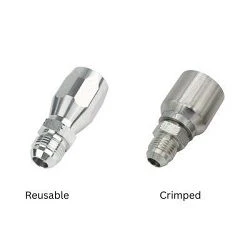
- Reusable fittings are mechanically assembled onto the hose and can be removed and fitted again when the hose is replaced, depending on the fitting design and manufacturer requirements.
- Permanent fittings are normally crimped onto the hose with a controlled crimping process. Once crimped, the fitting is not intended to be removed and reused.
For buyers working with maintenance, mobile hydraulic equipment or replacement hoses, the choice can affect installation equipment, repair time, inventory and total replacement cost.
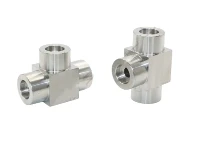
HBFittings has a dedicated Reusable Hose Fittings range. Its current product information includes stainless steel reusable hydraulic hose fittings for SAE 100R2/2SN hoses, with JIC, BSP, BSPT and NPT thread options, and also lists brass, stainless steel and carbon steel reusable fitting options.
1. What Is a Reusable Hydraulic Hose Fitting?
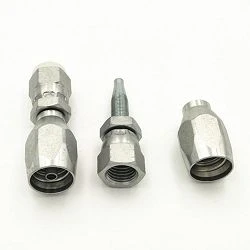
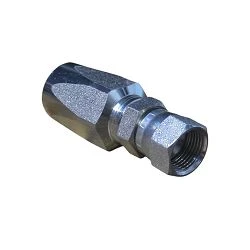
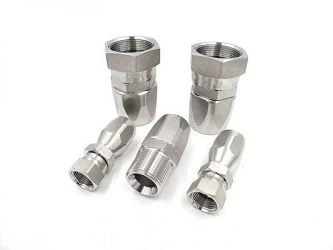
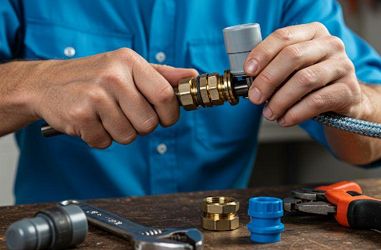
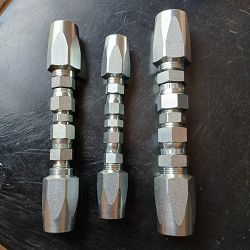
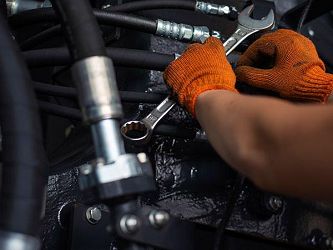
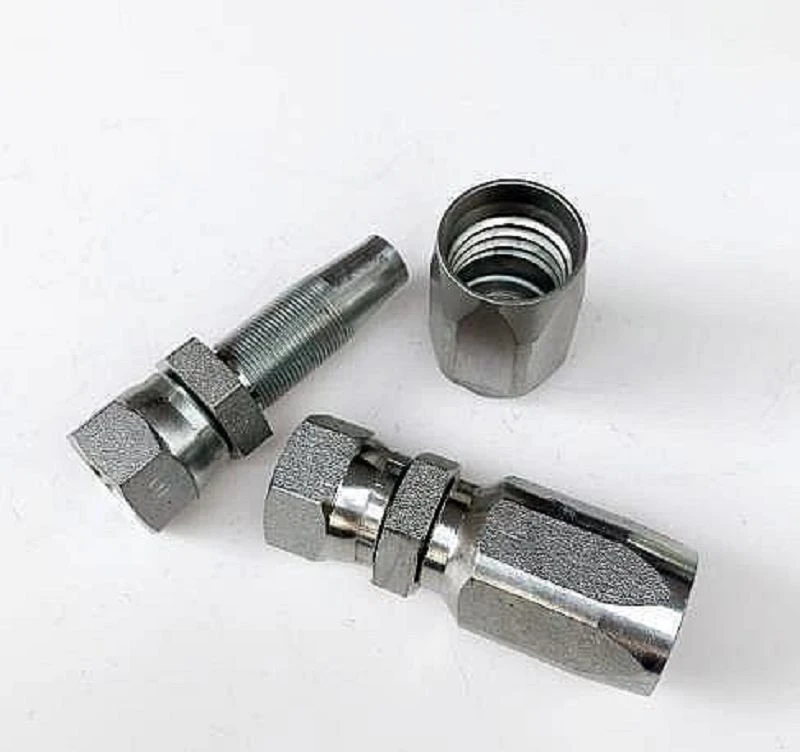
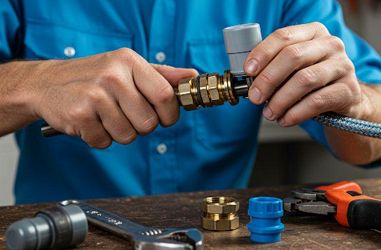
A reusable hydraulic hose fitting is a field-attachable hose end. Instead of using a hydraulic crimping machine, the fitting is assembled with hand tools such as wrenches.
HBFittings describes its reusable hydraulic hose fitting as a three-piece, field-attachable design that allows hose assemblies to be made on site without special crimping equipment. Its stainless steel version is available in SS304, SS316 and SS316L, with JIC, BSP, BSPT and NPT threads.
Typical features include:
- Threaded fitting body
- Hose socket
- Insert
- Mechanical hose retention
- Field assembly
- No crimping machine required
HBFittings also lists a JIC reusable hose fitting using brass, stainless steel or carbon steel, with metric, BSP, NPT and ORFS thread options available for customization.
2. What Is a Permanent Hydraulic Hose Fitting?
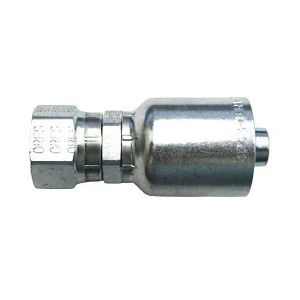
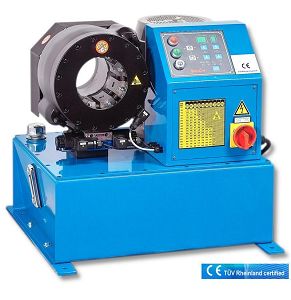
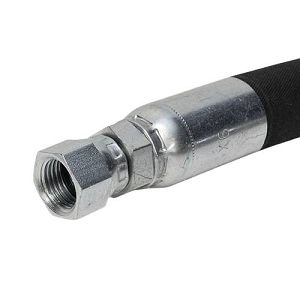
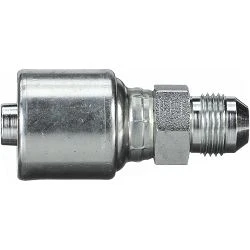
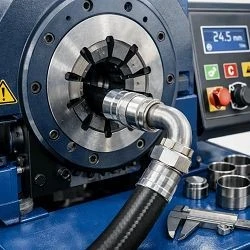
A permanent hydraulic hose fitting is normally installed by crimping a ferrule or sleeve around the hose and fitting insert.
The hose is inserted into the fitting, and a crimping machine applies a controlled force to deform the sleeve to the specified diameter.
HBFittings' hydraulic fitting knowledge material describes crimp fittings as consisting mainly of a fitting sleeve and fitting insert. The sleeve is mechanically crimped onto the hose and insert to form the connection and provide sealing.
Once the fitting has been crimped:
The hose assembly is treated as one finished assembly.
If the hose needs to be replaced, the normal practice is to replace the hose and fitting assembly rather than remove the crimped fitting and reuse it.
3. Reusable vs Permanent Hydraulic Hose Fittings
|
Item |
Reusable Fitting |
Permanent Crimp Fitting |
|
Installation |
Wrench assembly |
Crimping machine |
|
Field installation |
Yes |
Usually requires equipment |
|
Removal |
Possible |
Not intended |
|
Fitting reuse |
Possible according to design |
No |
|
Initial equipment |
Basic hand tools |
Crimper + correct dies |
|
Assembly consistency |
Depends on technician |
Highly controlled |
|
Production speed |
Good for small quantities |
Excellent for production |
|
Emergency repair |
Excellent |
Less convenient without crimper |
|
High-volume production |
Less suitable |
Preferred |
|
Hose replacement |
Fitting may be reused |
New fitting normally required |
4. Installation Method
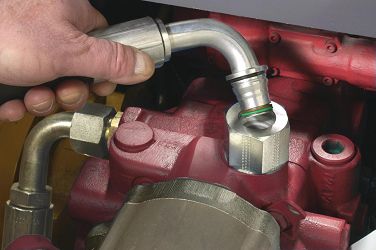
Reusable Fitting Installation
The basic process is:
Cut hose → Insert hose → Assemble fitting → Tighten → Inspect
No dedicated crimping machine is required for the HBFittings reusable design.
This is useful when:
- Repairing machinery at the job site
- Replacing a damaged hose
- Working in remote areas
- Producing a small number of hose assemblies
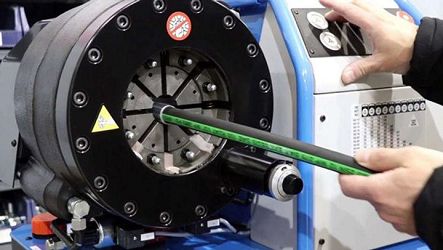
Permanent Crimp Installation
The process normally involves:
Cut hose → Insert fitting → Select crimp die → Crimp → Measure → Inspect
The crimp diameter needs to comply with the fitting and hose manufacturer's specifications.
This gives production teams a more repeatable connection when the correct hose, fitting and crimp specification are used.
5. Reusable Fittings for Field Repairs
This is where reusable fittings have a clear practical advantage.
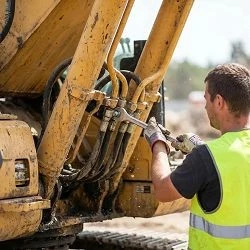
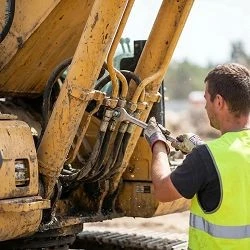
Consider an excavator working several hours from a hydraulic workshop.
A hose fails.
With a reusable fitting, the technician can:
- Cut the damaged hose section.
- Prepare the hose end.
- Install the reusable fitting.
- Tighten the connection.
- Return the machine to service.
There is no need to transport a large crimping machine to the site.
HBFittings specifically positions its reusable hydraulic hose fittings for field installation, maintenance and repair, and lists applications including construction equipment, agriculture, marine, oilfield, automotive and general manufacturing.
6. Permanent Crimp Fittings for Production
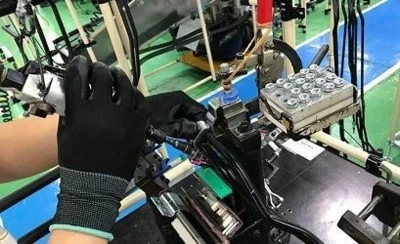
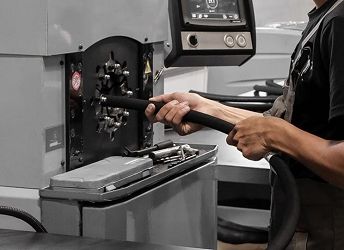
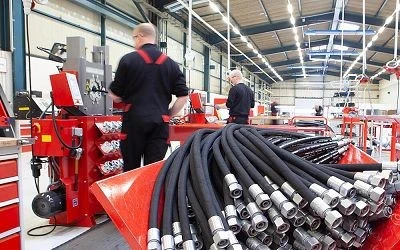
For a hose assembly factory or OEM production line, permanent crimp fittings are often more practical.
The operator can use:
- Dedicated crimping machine
- Correct die set
- Hose assembly specifications
- Crimp diameter measurement
- Production inspection procedure
Once the process has been validated, large quantities of identical assemblies can be produced with consistent dimensions.
This is one reason crimp fittings are common in factory-produced hydraulic hose assemblies.
7. Pressure Performance
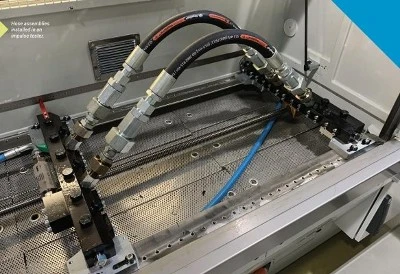
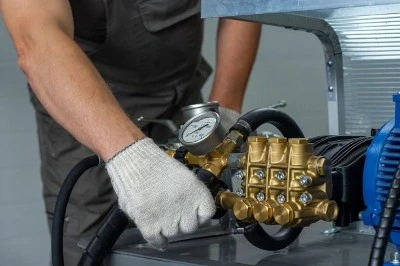
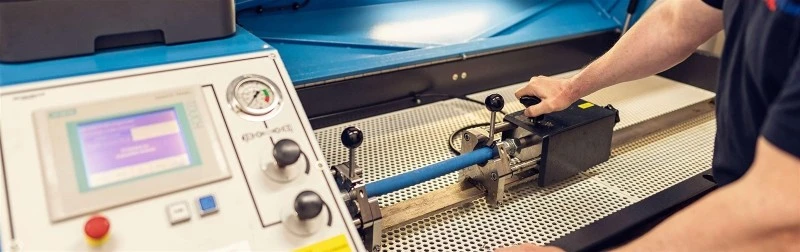
It would be misleading to say that all reusable fittings are low pressure and all crimp fittings are high pressure.
The actual pressure capability depends on:
- Hose construction
- Fitting design
- Fitting material
- Hose size
- Connection method
- Manufacturer's specifications
- Assembly procedure
HBFittings lists its stainless steel reusable hydraulic hose fitting for SAE100R2/2SN hose and provides pressure and material certificates for the product.
Its separate JIC reusable fitting page lists a working pressure of 250–500 psi for that particular product specification. That figure should not be generalized to every reusable fitting on the site.
Always use the pressure rating of the specific hose + fitting combination rather than selecting by fitting type alone.
8. Material Selection
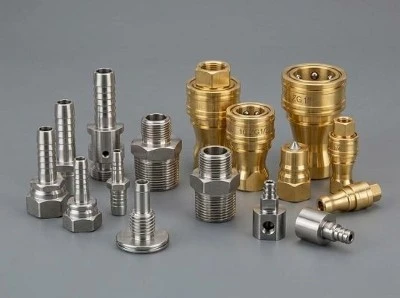
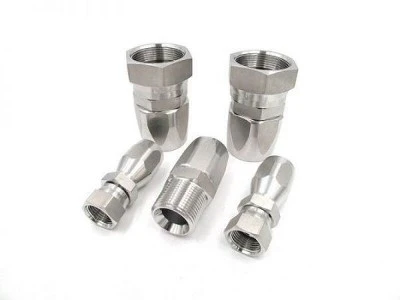
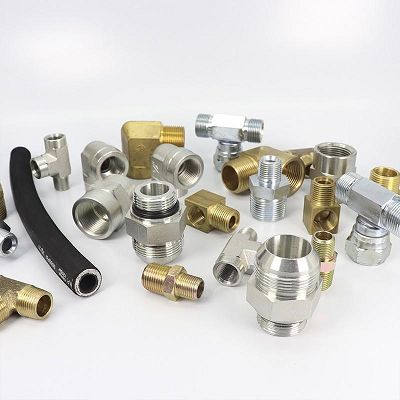
Material has a direct effect on application suitability.
Brass
HBFittings offers brass fitting products across hose barb, compression, hydraulic and other connection categories.
Brass is attractive for:
- Good machinability
- Corrosion resistance
- Air and fluid systems
- Low to medium pressure applications
Stainless Steel
HBFittings' reusable hydraulic hose range includes:
- SS304
- SS316
- SS316L
The company highlights corrosion resistance for these fittings.
Suitable environments include:
- Marine
- Chemical
- Outdoor
- Corrosive environments
Carbon Steel
Carbon steel is widely used for hydraulic fittings where strength and cost are important.
The reusable JIC product listed by HBFittings is available in carbon steel as well as brass and stainless steel.
9. Thread Options
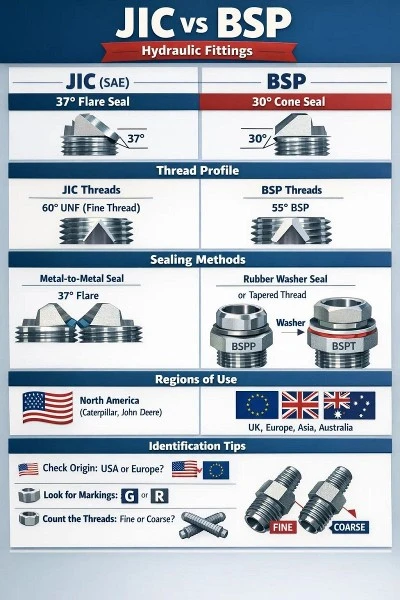
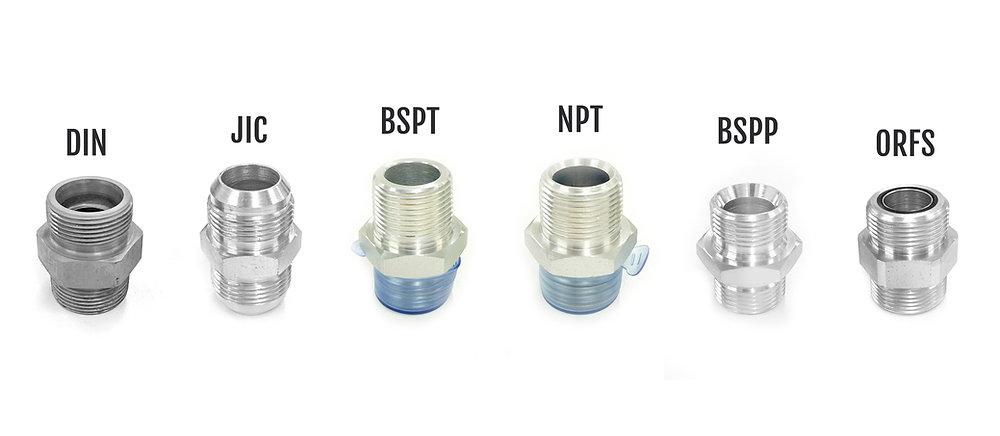
Thread compatibility is important for both reusable and permanent fittings.
HBFittings' reusable hydraulic hose products list:
- JIC
- BSP
- BSPT
- NPT
- Metric options on selected products
The stainless steel reusable fitting page lists JIC, BSP, BSPT and NPT, while the JIC reusable fitting page states that Metric, BSP, NPT and ORFS configurations can be customized.
Do not select a replacement fitting based only on nominal hose size.
Check:
Hose I.D. + fitting series + thread standard + thread size + sealing method + pressure rating.
10. Reusability and Maintenance Cost
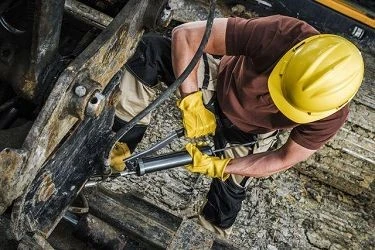
The cost calculation is different for the two designs.
Reusable Fitting
When the hose needs replacement, the fitting may be removed and reused if it remains undamaged and the manufacturer's instructions allow reuse.
This can reduce fitting consumption during maintenance.
HBFittings specifically notes that its reusable design can be used on new hoses and helps reduce maintenance costs.
Permanent Crimp Fitting
When the hose is replaced:
Old hose + old crimp fitting → New hose + new fitting
The advantage is the consistent factory-style assembly rather than fitting reuse.
11. Where Reusable Fittings Make More Sense
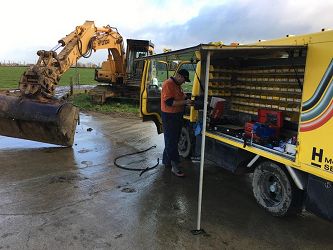
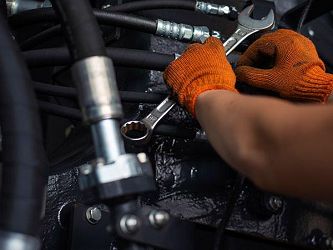
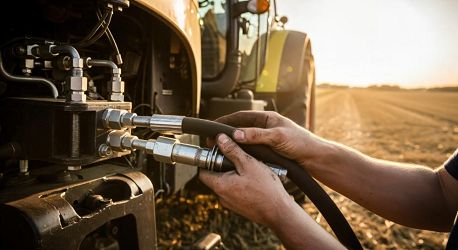
Reusable fittings are particularly useful when:
Mobile Equipment
- Excavators
- Loaders
- Agricultural machinery
- Construction equipment
Field Service
- Remote maintenance
- Emergency hose replacement
- Mobile repair vehicles
Small-Batch Assembly
When only a few hose assemblies are required, investing in a crimping machine may not make economic sense.
12. Where Permanent Crimp Fittings Make More Sense
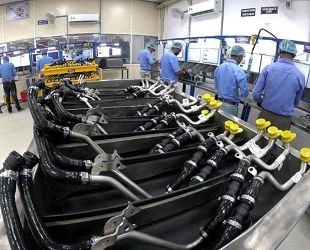
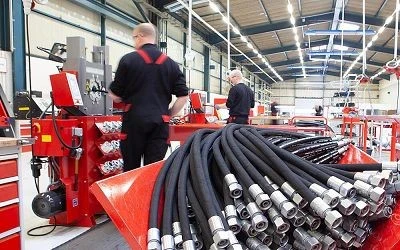
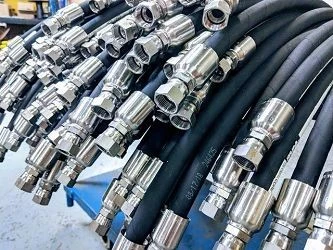
Permanent crimp fittings are better suited to:
OEM Production
Where hundreds or thousands of identical hose assemblies are produced.
Factory Assembly
Where:
- Crimp machines are already available
- Assembly specifications are controlled
- Inspection equipment is available
High-Volume Replacement
A standardized crimping process makes repeat production easier.
13. Reusable vs Permanent: Cost Comparison
|
Cost Factor |
Reusable |
Permanent Crimp |
|
Fitting purchase |
Usually higher per fitting |
Usually lower per fitting |
|
Crimping equipment |
Not required |
Required |
|
Labor for individual repair |
Low |
Higher without equipment |
|
Fitting replacement |
Potentially reusable |
Normally replaced |
|
Small-batch cost |
Attractive |
Equipment can increase cost |
|
Mass production |
Less efficient |
More efficient |
|
Field repair |
Excellent |
Equipment dependent |
The cheapest fitting is therefore not necessarily the cheapest solution.
For a factory producing thousands of assemblies, crimping equipment can make sense.
For a maintenance technician repairing one machine in the field, a reusable fitting can save much more than the fitting price difference.
14. Reusable vs Permanent Hydraulic Hose Fittings: Decision Table
|
Application |
Better Choice |
|
Emergency field repair |
Reusable |
|
Remote construction site |
Reusable |
|
Small quantity |
Reusable |
|
No crimping machine available |
Reusable |
|
Frequent hose replacement |
Reusable, if approved for reuse |
|
Large OEM production |
Permanent crimp |
|
Standardized hose assemblies |
Permanent crimp |
|
High-volume production |
Permanent crimp |
|
Controlled factory assembly |
Permanent crimp |
15. Important Installation Checks
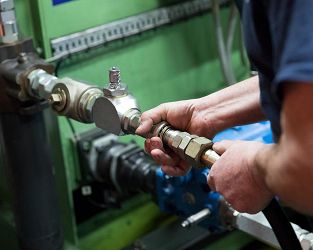
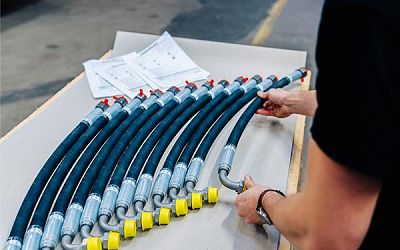
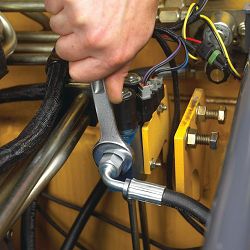
Regardless of fitting type, check the following before putting the hose assembly into service:
Hose Compatibility
Confirm that the fitting is designed for the specific hose construction.
HBFittings specifies SAE100R2 or 2SN for its stainless steel reusable hydraulic fitting.
Thread
Check:
- NPT
- BSP
- BSPT
- JIC
- Metric
Hose Size
Check the actual hose I.D. rather than relying only on an approximate nominal size.
Pressure
The fitting must not become the weak point in the hose assembly.
Seal
Inspect the sealing surface and any O-ring or elastomer before assembly.
Hose Condition
Do not install fittings on:
- Cracked hose
- Flattened hose
- Damaged reinforcement
- Oil-swollen hose
- Severely aged hose
16. HBFittings Reusable Hydraulic Hose Fitting Range
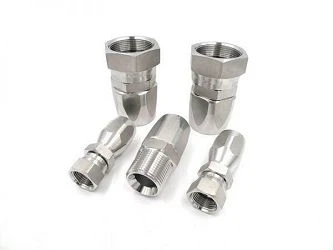
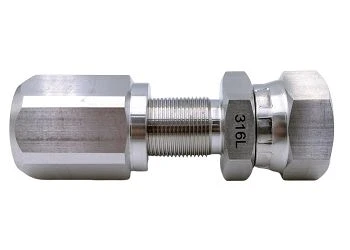
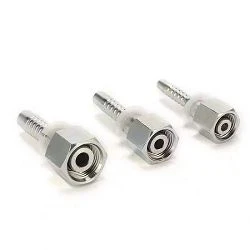
HBFittings has a dedicated Reusable Hose Fittings category on its website. The range includes stainless steel reusable hydraulic hose fittings and related JIC reusable products.
The stainless steel reusable hydraulic fitting currently listed by HBFittings has:
- Material: SS304 / SS316 / SS316L
- Size: 1/4"–1"
- Thread: JIC, BSP, BSPT, NPT
- Compatible hose: SAE100R2 or 2SN
- Media: Liquid, gas, steam and oil
- Surface: Polished
- Customization: Available
- Certificates: Material and pressure certificates available
The listed product is manufactured through raw material verification, cutting, drilling and CNC machining, followed by dimensional, thread and surface inspection.
HBFittings also states that its manufacturing operation uses CNC machining, automated production lines and testing equipment, with OEM/customization support.
17. How to Choose the Right Type
Before ordering, send the supplier these details:
Hose model
Example:
SAE 100R2 / 2SN
Hose I.D.
Example:
1/4", 3/8", 1/2", 3/4", 1"
Fitting type
- Reusable
- Crimp
- JIC
- BSP
- NPT
- ORFS
Thread
Specify exact size and standard.
Working pressure
Include maximum operating pressure, not only normal pressure.
Material
- Brass
- Carbon steel
- SS304
- SS316
- SS316L
Working environment
- Indoor
- Outdoor
- Marine
- Chemical
- Construction
This information allows the supplier to match the fitting to the actual hose assembly rather than simply supplying a fitting that "looks right."
Conclusion
The choice between reusable and permanent hydraulic hose fittings mainly comes down to where and how the hose assembly will be made.
Choose reusable fittings when field service, quick repair, low-volume assembly and fitting reuse are important.
Choose permanent crimp fittings when production consistency, large quantities and factory-controlled assembly are the priority.
For HBFittings, reusable hydraulic hose fittings are an established product category, with options covering JIC, BSP, BSPT and NPT connections, SAE100R2/2SN hose compatibility, stainless steel materials and customized sizes.
For a purchasing team, the key is not simply asking "Which fitting is better?" The more useful question is:
Will this hose be assembled once in a controlled factory, or will technicians need to repair and replace it in the field?
That answer usually determines whether a permanent crimp fitting or a reusable hose fitting is the more practical choice.