

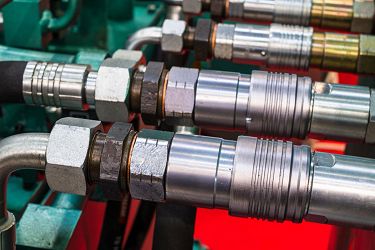
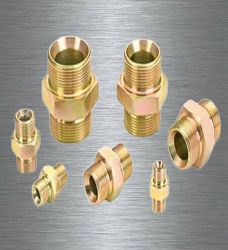
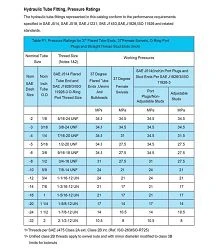
Hydraulic fittings are not selected only by thread size or appearance. The working pressure of the system directly determines the fitting structure, sealing method, material and service life.
A fitting used in a hydraulic press, excavator or industrial power unit must handle pressure cycles and vibration. A fitting used for instrumentation, lubrication or low-pressure fluid lines has different requirements.
HBFittings provides brass fitting solutions including brass adapters, brass hose barb fittings, brass compression fittings, threaded fittings and pressure gauge accessories, supporting different connection requirements for fluid systems.
The difference between high pressure and low pressure hydraulic fittings mainly involves:
- Working pressure range
- Connection design
- Material strength
- Sealing structure
- Application environment
1. What Are High Pressure Hydraulic Fittings?
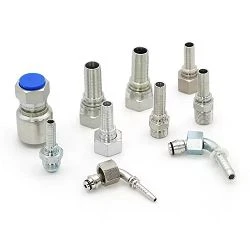
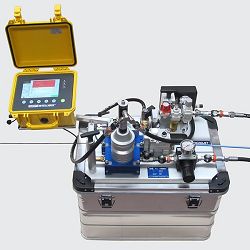
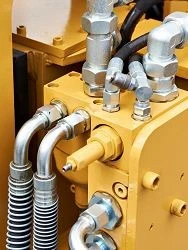
High pressure hydraulic fittings are designed for hydraulic circuits where fluid pressure creates mechanical force.
Typical working conditions include:
- Continuous pressure loading
- Pressure spikes
- Strong vibration
- Outdoor operation
Common applications:
- Excavators
- Hydraulic presses
- Injection molding machines
- Construction equipment
- Hydraulic power units
High pressure fittings usually require:
- Forged or high-strength material
- Accurate machining
- Reliable sealing surfaces
- Pressure-tested connection design
Common connection types:
- JIC 37° flare
- SAE ORB
- ORFS
- Metric 24° cone
- High-pressure BSP fittings
Some hydraulic fitting systems use working pressures from several hundred bar to higher pressure levels depending on fitting series, size and material.
2. What Are Low Pressure Hydraulic Fittings?
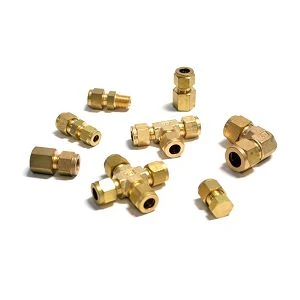
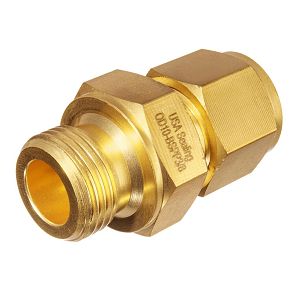
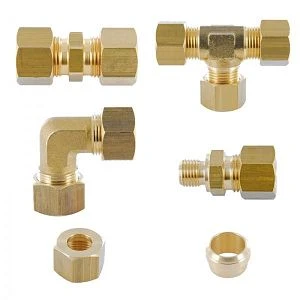
Low pressure hydraulic fittings are used in systems where fluid pressure is relatively limited.
Typical applications:
- Instrumentation systems
- Lubrication lines
- Water-based hydraulic systems
- Pneumatic-related fluid connections
- Pressure gauge connections
Common products include:
- Brass compression fittings
- Brass hose barb fittings
- Threaded brass adapters
- Tube connectors
HBFittings product categories include brass hose barb fittings, brass compression fittings and pressure gauge accessories, which are commonly used for connection and control applications.
The priority of low-pressure fittings is usually:
- Easy installation
- Corrosion resistance
- Cost control
- Flexible connection
3. High Pressure vs Low Pressure Hydraulic Fittings Comparison
|
Item |
High Pressure Hydraulic Fittings |
Low Pressure Hydraulic Fittings |
|
Main purpose |
Transfer hydraulic power |
Connect fluid lines |
|
Working pressure |
High pressure circuits |
Low pressure systems |
|
Load condition |
Pressure shock and vibration |
Stable operation |
|
Material |
Steel, stainless steel, special alloys |
Brass, stainless steel, plastic |
|
Sealing requirement |
Very strict |
General sealing requirement |
|
Connection |
JIC, ORFS, SAE ORB, cone fittings |
Compression, hose barb, threaded |
|
Installation |
Requires torque control |
Easier installation |
|
Application |
Heavy machinery |
Instrumentation and general systems |
4. Pressure Rating Difference
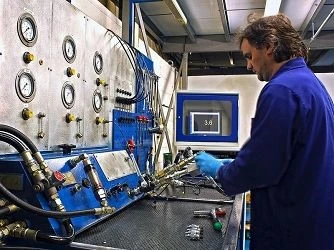
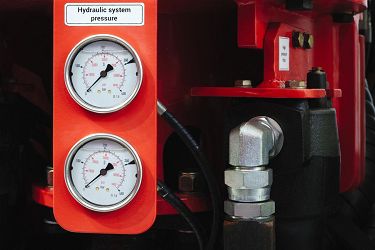
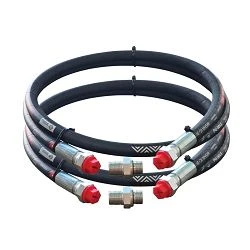
Pressure rating depends on:
- Fitting material
- Wall thickness
- Thread design
- Connection method
- Temperature
- Working medium
High Pressure Range
High pressure hydraulic fittings are normally designed for:
- High mechanical loads
- Frequent pressure changes
- Hydraulic oil systems
Examples:
- SAE JIC fittings
- ORFS fittings
- DIN 2353 hydraulic fittings
High-pressure hydraulic fittings are often produced in steel or stainless steel because these materials provide higher mechanical strength.
Low Pressure Range
Low pressure fittings are used where:
- Pressure is stable
- Mechanical load is limited
- Easy maintenance is important
Examples:
- Brass compression fittings
- Brass hose barb fittings
- Thread adapters
Brass has good machinability and corrosion resistance, making it widely used in water, air and low-pressure instrumentation applications.
5. Material Difference
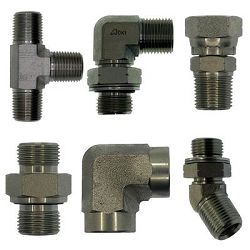
High Pressure Fitting Materials
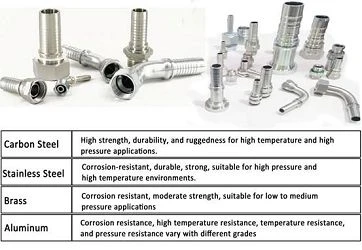
Carbon Steel
Used for:
- Construction machinery
- Industrial hydraulics
Advantages:
- High strength
- Good pressure capability
- Cost-effective
Stainless Steel
Used for:
- Chemical systems
- Marine environments
- Food processing
Advantages:
- Excellent corrosion resistance
- Long service life
Low Pressure Fitting Materials
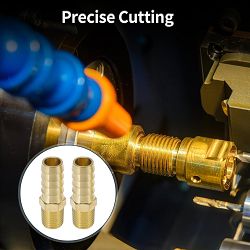
Brass
Commonly used for:
- Air systems
- Water connections
- Instrumentation
- General fluid applications
Advantages:
- Easy machining
- Good corrosion resistance
- Good sealing performance
HBFittings focuses on brass fitting manufacturing, including customized brass connection components.
6. Connection Structure Comparison
High Pressure Connection Types
JIC 37° Flare
Features:
- Metal-to-metal sealing
- High vibration resistance
- Reusable connection
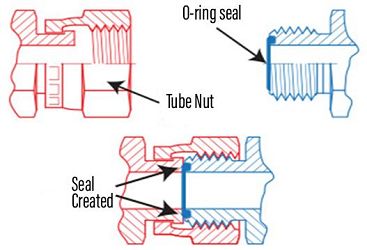
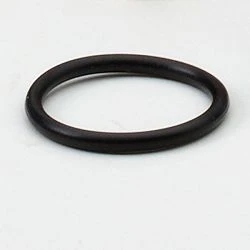
ORFS
Features:
- O-ring face seal
- Reduced leakage risk
- Suitable for demanding hydraulic systems
Metric Cone Fitting
Features:
- Cone sealing structure
- Common in European hydraulic equipment
Low Pressure Connection Types
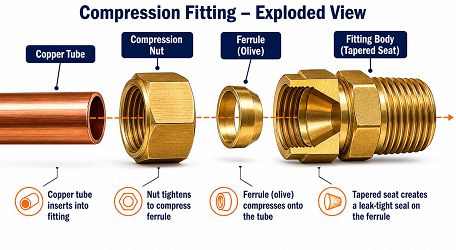
Compression Fittings
Features:
- Ferrule compression seal
- Simple tube connection
Applications:
- Instrumentation
- Water
- Air
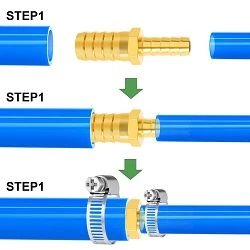
Hose Barb Fittings
Features:
- Barbed stem grips hose
- Usually used with clamps
Applications:
- Flexible tubing
- Low-pressure fluid transfer
7. Leakage Control Comparison
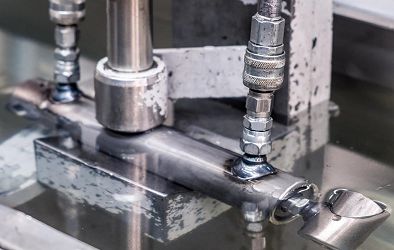
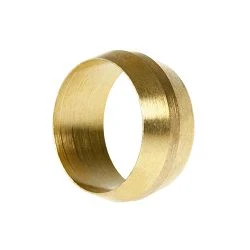
Leakage requirements are different between high and low pressure systems.
High Pressure Hydraulic Systems
Require:
- Precision sealing surface
- Correct torque
- Suitable seal material
- Pressure testing
A small leakage problem can cause:
- Pressure loss
- Equipment downtime
- Safety risks
Low Pressure Systems
Main concerns:
- Correct fitting size
- Proper tube insertion
- Hose compatibility
Installation is usually simpler.
8. Application Comparison
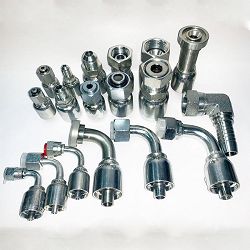
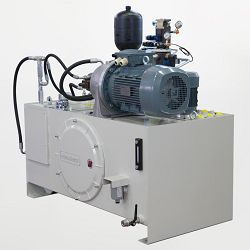
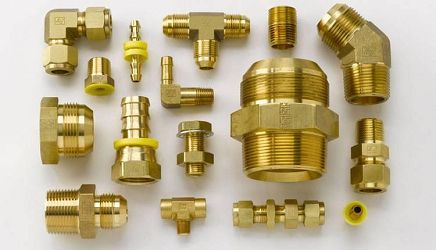
High Pressure Hydraulic Fitting Applications
Construction Equipment
- Excavators
- Loaders
- Cranes
Industrial Machinery
- Hydraulic presses
- Metal forming machines
- Injection molding equipment
Mobile Hydraulics
- Agricultural machines
- Transportation equipment
Low Pressure Hydraulic Fitting Applications
Instrumentation
- Pressure gauges
- Measurement systems
Fluid Control
- Water systems
- Lubrication systems
Pneumatic and General Industry
- Air lines
- Control systems
9. Brass High Pressure vs Low Pressure Fittings
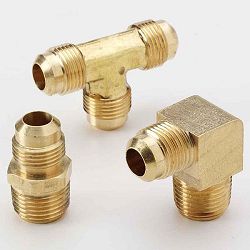
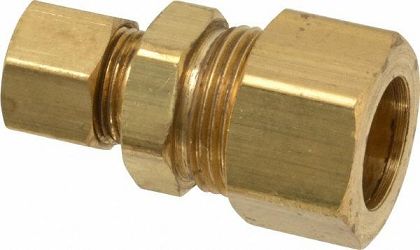
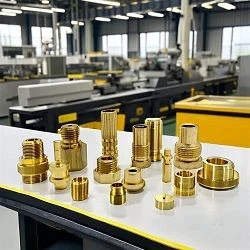
Brass is widely used in fitting manufacturing, but application conditions must be considered.
Brass Advantages
- Excellent machining performance
- Good corrosion resistance
- Good thread quality
- Suitable for many fluid connection systems
Brass Limitations
For demanding high-pressure hydraulic circuits:
- Strength is lower than steel
- Pressure rating depends heavily on design
- Material grade must match application
Brass fittings are commonly selected for low-pressure systems, instrumentation and water/air applications rather than heavy hydraulic power circuits.
10. How to Choose Between High Pressure and Low Pressure Fittings?
|
Application Requirement |
Recommended Type |
|
Excavator hydraulic system |
High pressure fitting |
|
Hydraulic cylinder connection |
High pressure fitting |
|
Hydraulic power unit |
High pressure fitting |
|
Pressure gauge connection |
Low pressure fitting |
|
Water instrumentation |
Low pressure fitting |
|
Air and gas connection |
Low pressure fitting |
|
Flexible hose connection |
Brass hose barb fitting |
|
Tube connection |
Compression fitting |
11. Common Purchasing Mistakes
Mistake 1: Selecting Only by Thread Size
A fitting with the same thread size may have a completely different pressure rating.
Mistake 2: Using Low Pressure Fittings in Hydraulic Machinery
Possible results:
- Leakage
- Thread damage
- Connection failure
Mistake 3: Ignoring Material Selection
Consider:
- Pressure
- Temperature
- Fluid type
- Environment
Mistake 4: Mixing Connection Standards
Examples:
- JIC and BSP
- NPT and Metric
- Compression and flare
Always confirm:
- Thread standard
- Seal type
- Working pressure
12. HBFittings Brass Fitting Solutions
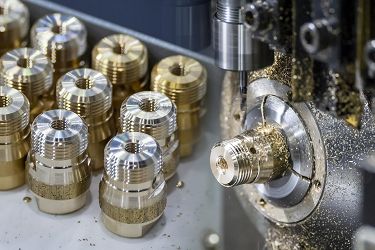
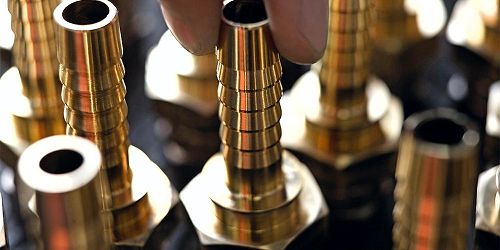
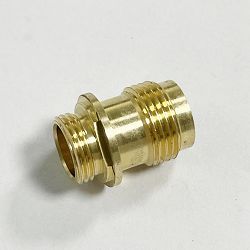
HBFittings provides brass fitting solutions for different industries.
Product Categories
Brass Hose Barb Fittings
Used for:
- Flexible hose connection
- Air systems
- Water systems
Brass Compression Fittings
Used for:
- Tube connection
- Instrumentation
- Fluid control
Brass Threaded Fittings
Available with:
- BSP
- BSPT
- NPT
- Customized threads
Pressure Gauge Accessories
Including:
- Test plugs
- Gauge valves
- Connection accessories
13. Final Comparison
|
Feature |
High Pressure Hydraulic Fittings |
Low Pressure Hydraulic Fittings |
|
Pressure |
High |
Low |
|
Main requirement |
Strength and sealing |
Easy connection |
|
Material |
Steel/stainless steel |
Brass/stainless steel |
|
Installation |
Technical |
Simple |
|
Cost |
Higher |
Lower |
|
Maintenance |
Less frequent |
Easier replacement |
|
Typical industries |
Machinery |
Instrumentation/fluid systems |
Conclusion
High pressure and low pressure hydraulic fittings serve different connection requirements.
High pressure fittings are designed for hydraulic systems where pressure, vibration and mechanical force are major factors.
Low pressure fittings are selected for systems where installation convenience, corrosion resistance and cost efficiency are more important.
For HBFittings customers, the correct fitting selection should consider:
- Working pressure
- Fluid type
- Connection standard
- Material
- Installation environment
A fitting is not suitable simply because the thread matches. The pressure rating and sealing structure must match the complete system.


