

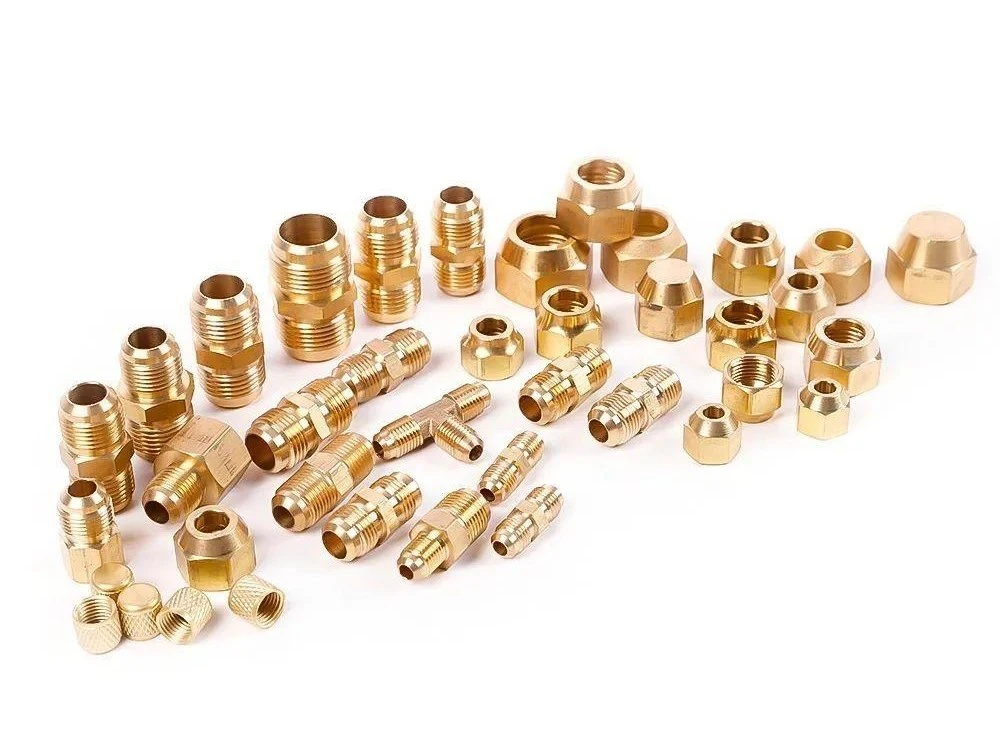

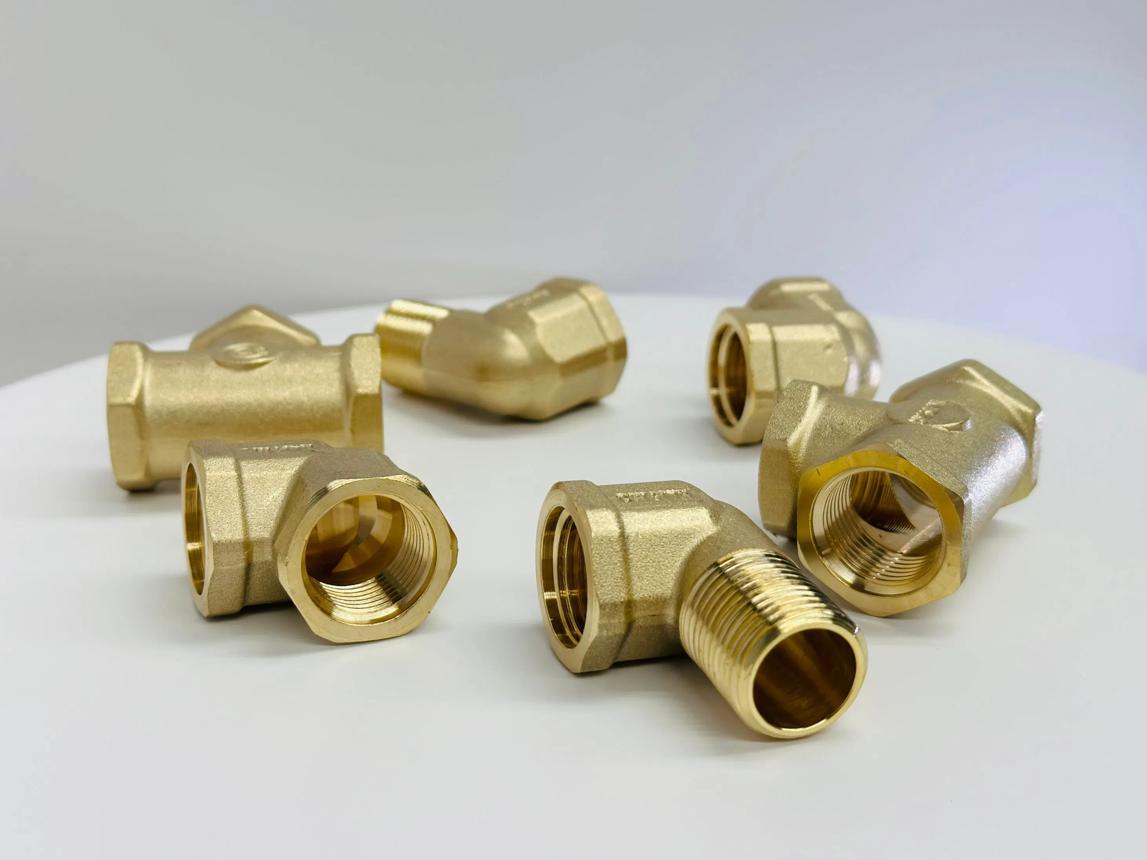
Choosing the right brass for a fitting starts with the working conditions, not the price of the raw material. Two fittings may look almost identical on the outside while having different alloy compositions, machining characteristics, corrosion resistance and compliance requirements.
For HBFittings, material selection covers several brass grades, including CA360, CA345, CA377, DZR brass CW602N/CW617N and lead-free brass C46500. The company also works with stainless steel 304/316 and other alloys when brass is not the right choice for the service conditions.
This guide explains where each brass material fits, what should be checked before ordering and how to specify the material in an RFQ.
1. Why Brass Grade Matters

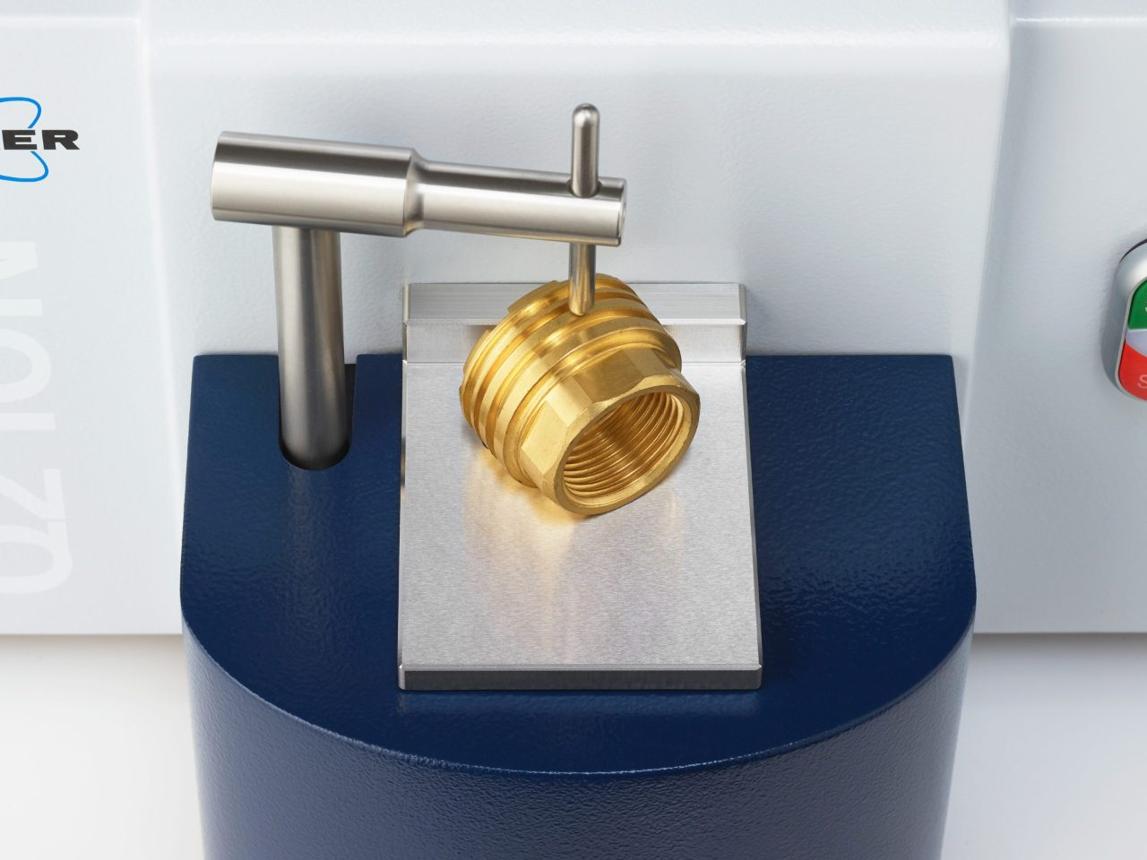
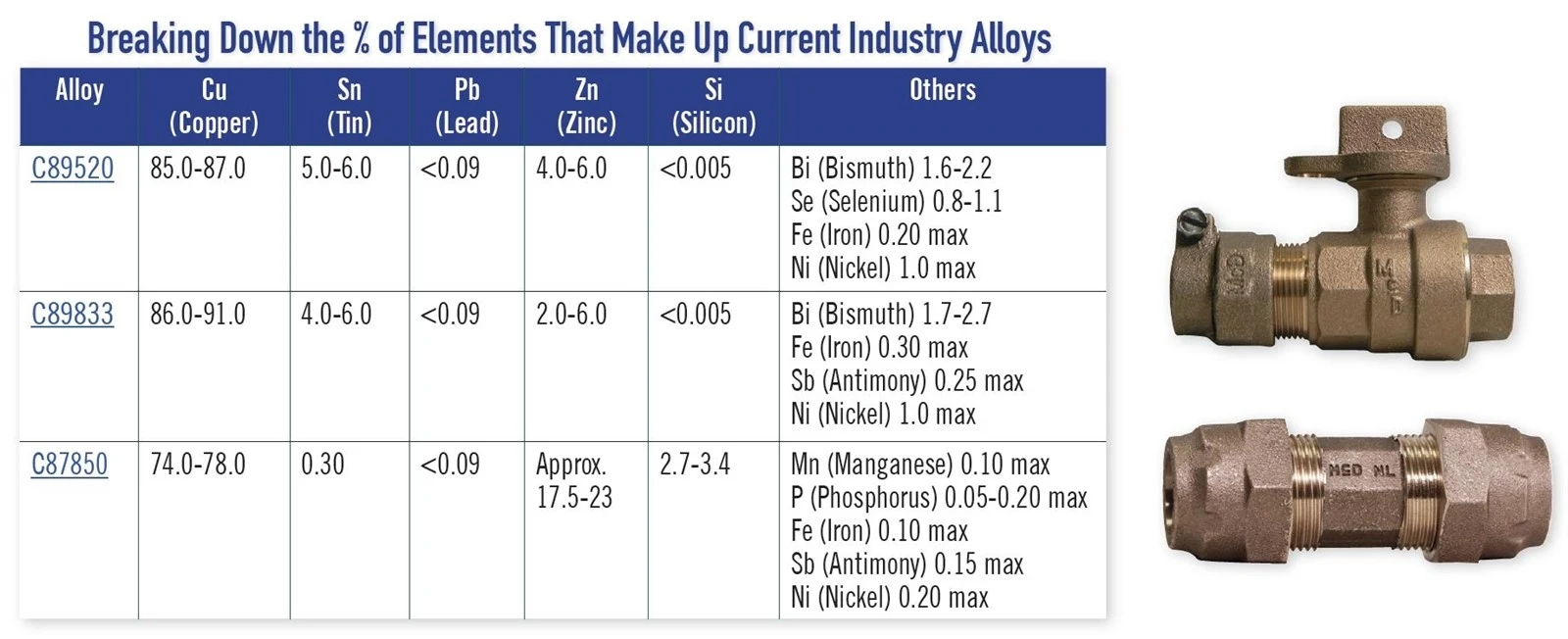
"Brass" is a family of copper-zinc alloys rather than one fixed material.
The alloy is selected according to the balance between:
- Machinability
- Strength
- Forging performance
- Corrosion resistance
- Hot-water performance
- Lead-content requirements
- Application regulations
- Manufacturing method
HBFittings states that its brass product range uses CA360, CA345, CA377, DZR brass CW602N/CW617N and lead-free brass C46500. Its broader material capability also includes stainless steel 304/316, super duplex steel, Monel and aluminum.
That range is useful for OEM buyers because a fitting can be designed around the actual service conditions instead of forcing every product into one brass grade.
2. CA360 Brass
Best suited to precision-machined brass fittings
CA360 is a free-machining brass commonly selected where machining efficiency and dimensional accuracy are important.
For a CNC-machined fitting, the material needs to cut cleanly without creating excessive tool wear or poor surface quality.
Typical considerations include:
- Complex machining
- Thread production
- Hex surfaces
- Small fittings
- High-volume CNC production
- Tight dimensional requirements
HBFittings identifies CA360 among the brass materials available for its products. Its manufacturing operation uses full CNC machining and automated production lines.
When to consider CA360
Choose this material when the product is primarily a precision-machined component and the application does not require a lead-free or DZR specification.
Typical product directions include:
- Brass adapters
- Nipples
- Couplings
- Hose barb fittings
- Small threaded components
3. CA345 Brass
CA345 is another brass option within HBFittings' material range.
For procurement purposes, the important point is that the material should be specified by the actual alloy designation rather than simply stated as "brass."
A drawing might therefore specify:
Material: Brass CA345
rather than:
Material: Brass
This avoids the factory substituting another alloy without approval.
CA345 can be considered for brass components where the customer's drawing, mechanical requirements and manufacturing process call for this grade. HBFittings lists CA345 together with CA360 and CA377 as available brass materials.
4. CA377 Brass
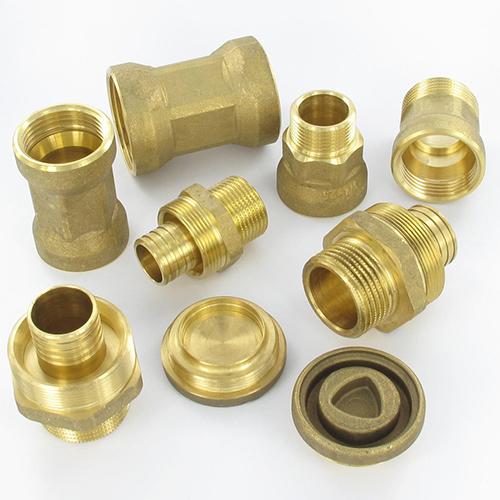


CA377 is particularly relevant when the fitting is produced through forging.
HBFittings' material information includes CA377 brass, while its product range includes forged brass fittings. The company describes forging, CNC machining and automated manufacturing as part of its production capabilities.
Forged brass fittings are commonly considered when the design requires:
- A robust fitting body
- Consistent material distribution
- High production volumes
- Reliable mechanical performance
- Subsequent CNC machining
Typical product forms
- Forged elbows
- Street elbows
- Tees
- Adapters
- Valves
- Special OEM fittings
For an OEM project, the factory should confirm whether the proposed geometry is better produced by hot forging + machining or directly from brass bar stock.
5. Leaded Brass vs Lead-Free Brass


This is one of the most important material decisions for plumbing buyers.
HBFittings explains that lead can be added to brass to improve machinability, while lead-free brass is intended for applications where lead exposure must be controlled. The company's product range includes lead-free brass C46500.
Leaded Brass
Advantages include:
- Good machinability
- Efficient cutting
- Suitable for complex machined components
- Good production efficiency
It can be appropriate for applications where lead-content regulations do not apply.
Lead-Free Brass
Used when the fitting is intended for applications where lead content is restricted, particularly:
- Drinking water
- Potable water plumbing
- Food-contact-related equipment
- Certain North American plumbing products
HBFittings identifies lead-free brass C46500 as one of its available materials and lists lead-free compliance among its certifications/compliance areas.
Do not specify "lead-free brass" without identifying the required standard or material grade.
6. C46500 Lead-Free Brass
A key choice for potable water products

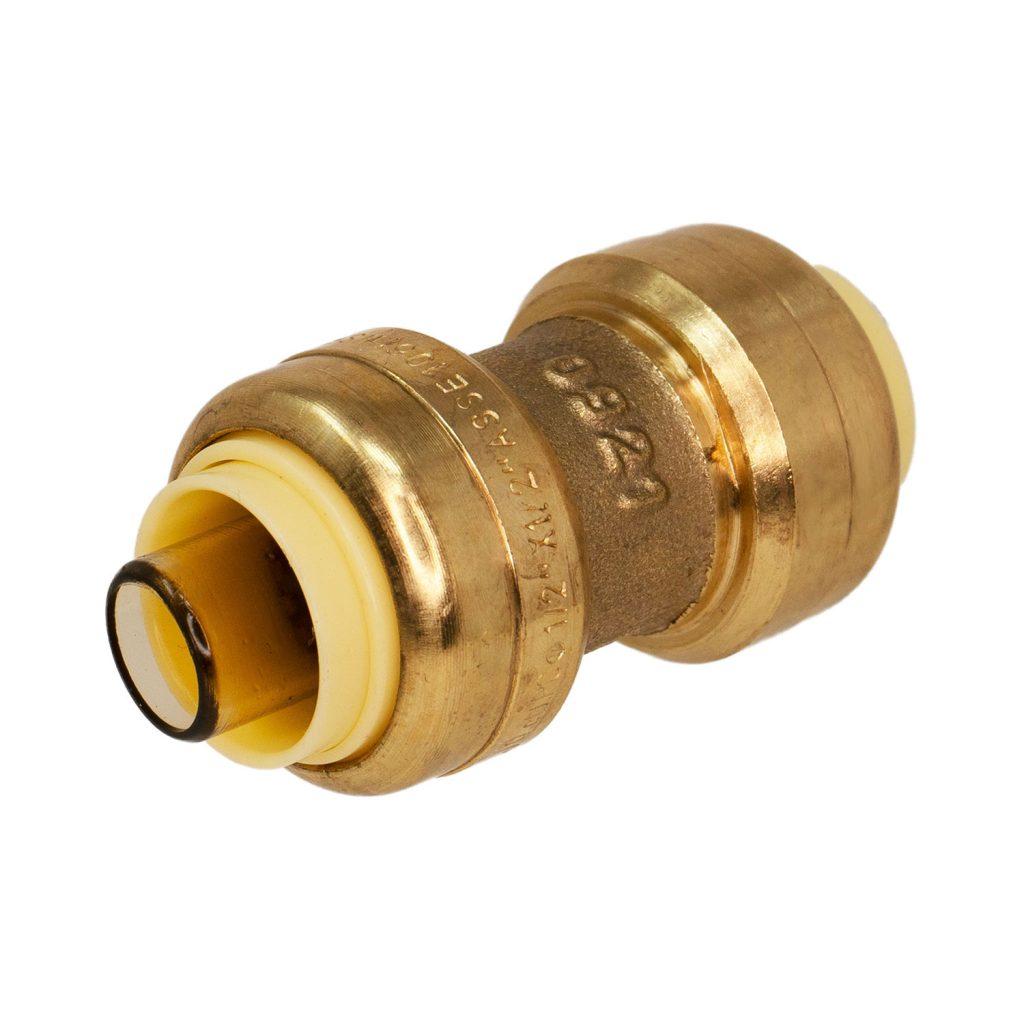

C46500 is one of the most relevant brass grades in HBFittings' product range for lead-free applications.
The company uses C46500 in its lead-free brass products and gives examples such as lead-free brass flare fittings for the U.S. market. Its push-fit product range also includes lead-free brass C46500 products.
Suitable application direction
- Potable water
- Residential plumbing
- Commercial plumbing
- Water treatment
- Lead-restricted markets
For drinking-water products, the material grade is only one part of the requirement. Buyers should also confirm the applicable certification for the exact product.
HBFittings lists NSF 61, NSF 372-related documentation, ISO and other certifications on its company page.
7. DZR Brass


DZR means Dezincification Resistant Brass.
This material is intended for situations where dezincification is a concern.
Under certain water conditions, conventional brass can suffer selective removal of zinc from the alloy. DZR brass is formulated to provide greater resistance to this type of corrosion.
HBFittings lists both:
CW602N
CW617N
as DZR brass materials.
Consider DZR brass for:
Water distribution
Plumbing
Hot water
Heating systems
Corrosion-sensitive installations
The exact choice should still be based on water chemistry, temperature, pressure and applicable standards.
8. CW602N vs CW617N DZR Brass
These two grades should not be treated as interchangeable simply because both are described as DZR brass.
When selecting between them, check:
- Applicable EN material standard
- Required mechanical properties
- Forging/machining process
- Water-system requirements
- Customer specification
- Certification requirements
For a European plumbing project, the material specification should ideally come directly from the customer's technical standard or product standard.
HBFittings lists CW602N and CW617N separately in its material portfolio, giving OEM customers two DZR material directions rather than one generic "DZR brass" option.
9. Material Selection by Application

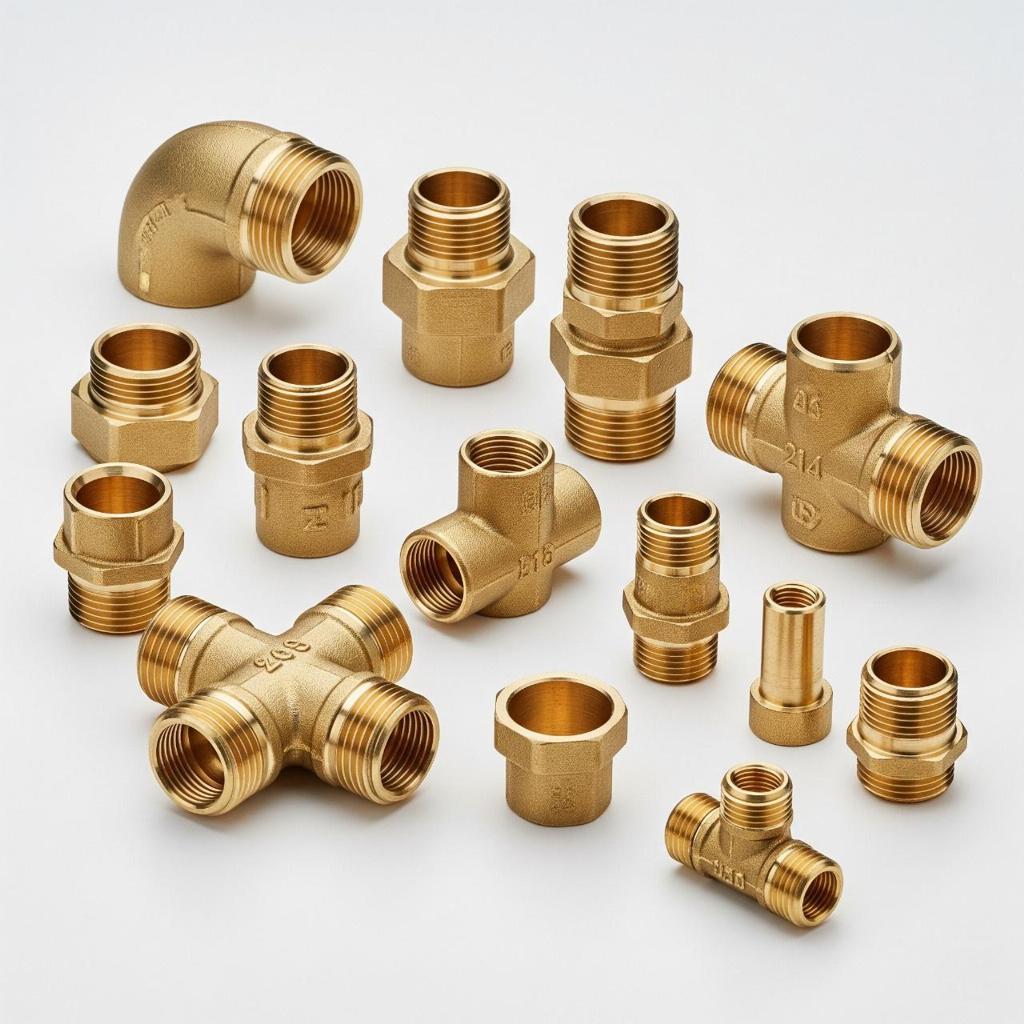

A practical starting point is to map the material to the application.
|
Application |
Material Direction |
|
General machined fitting |
CA360 |
|
Precision CNC component |
CA360 / CA345 |
|
Forged brass fitting |
CA377 |
|
Potable water |
Lead-free brass C46500 |
|
Lead-restricted plumbing |
C46500 |
|
Corrosion-sensitive plumbing |
DZR CW602N / CW617N |
|
Hot-water plumbing |
DZR brass where required |
|
General industrial water |
Suitable brass grade based on water chemistry |
|
Higher corrosion environment |
Consider SS304/SS316 |
|
OEM special component |
Material selected from drawing and service conditions |
HBFittings' application industries include water treatment, HVAC & plumbing, food & beverage dispensing, marine, automotive, industrial automation, pneumatic/hydraulic systems and instrumentation/process control.
10. Match Material to Manufacturing Process
Material selection and manufacturing method should be discussed together.

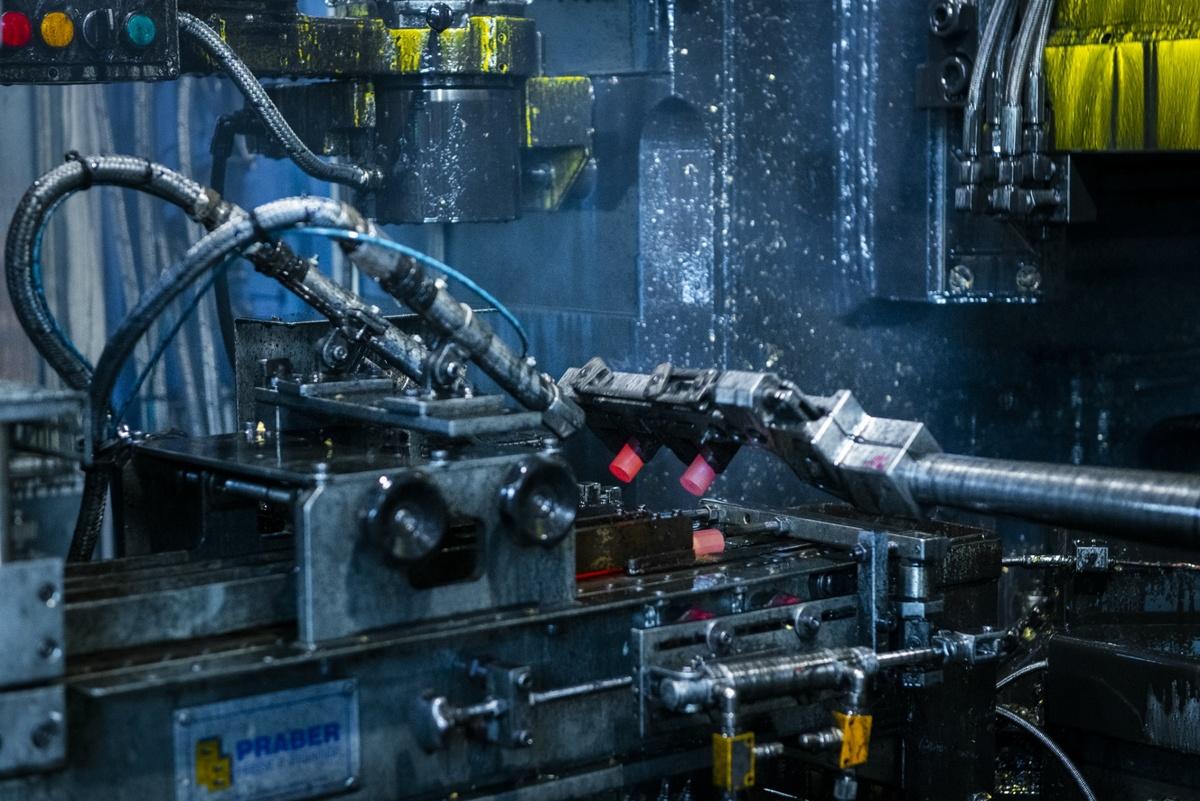
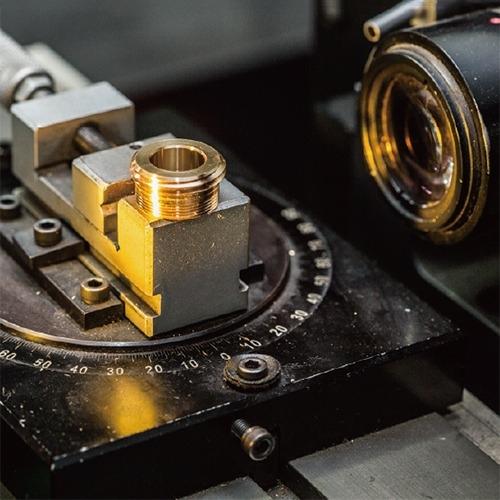
CNC Machining
For bar-stock machining, machinability becomes a major factor.
Typical products:
- Nipples
- Adapters
- Plugs
- Small elbows
- Hose barbs
- Instrument components
CA360 is often considered when machining efficiency is a priority.
Forging + Machining
For forged products, the alloy must be suitable for the forming process.
Typical products:
- Forged elbows
- Tees
- Street elbows
- Push-fit bodies
- Valve bodies
- OEM fittings
HBFittings states that it uses full CNC machining, automated production lines and advanced testing equipment, while its brass product range includes both machined and forged products.
11. Don't Choose Material by Price Alone
A cheaper brass grade can create problems later if it does not meet the application requirements.
For example:
Residential potable water
The main issue may be lead content and certification, not whether one brass grade is cheaper.
Hot-water system
The concern may shift toward dezincification resistance, temperature and pressure.
Precision OEM fitting
Machinability and dimensional stability may be more important.
Chemical or corrosive environment
Brass itself may no longer be the best choice; stainless steel 316 may make more sense.
HBFittings offers SS304 and SS316 alongside its brass grades, allowing the material decision to move beyond brass when service conditions require it.
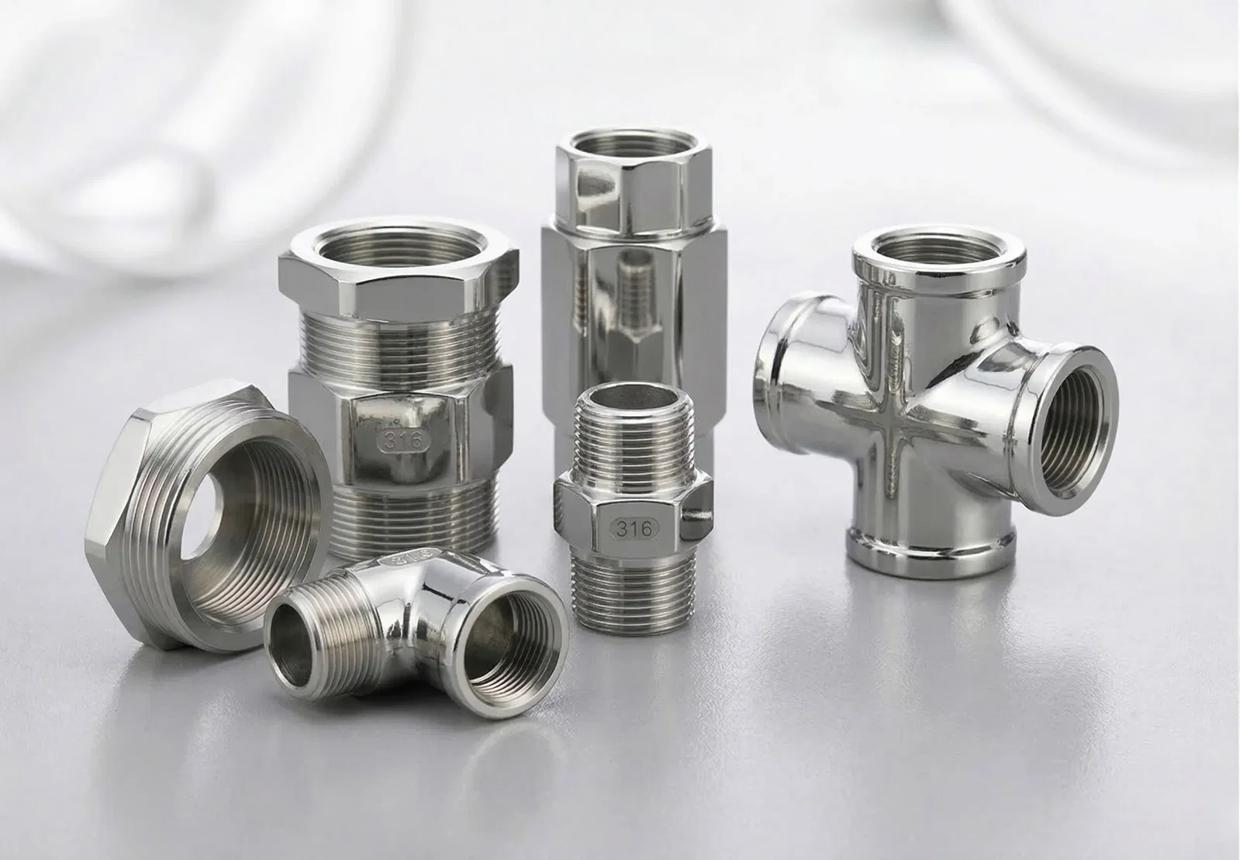
12. Brass vs Stainless Steel


|
Factor |
Brass |
Stainless Steel |
|
Machinability |
Generally very good |
More demanding |
|
Corrosion resistance |
Good, grade dependent |
Very good |
|
Cost |
Usually lower |
Usually higher |
|
Potable water |
Lead-free grade may be required |
Common option |
|
General plumbing |
Excellent |
Often more than necessary |
|
Chemical environment |
Depends on fluid |
SS316 may be preferable |
|
CNC machining |
Efficient |
Higher machining demands |
|
Appearance |
Warm metallic finish |
Industrial finish |
The choice should follow the fluid and operating environment rather than material popularity.
13. Check Water Chemistry
For water-related fittings, "water" is not a sufficient description.
The purchasing specification should consider:
- Chloride level
- pH
- Temperature
- Hardness
- Chemical additives
- Flow conditions
- Stagnation
- Hot-water exposure
This is particularly important when deciding between standard brass and DZR brass.
If the water chemistry is aggressive, ask the fitting manufacturer for a material compatibility assessment rather than selecting the material from a general catalogue.
14. Check Lead Content Requirements


For products entering the U.S. drinking-water market, lead compliance needs to be addressed at the beginning of the project.
HBFittings lists NSF 61 and SGS NSF 372-2024 documentation for water-system products on its company page.
For an RFQ, specify:
Material: C46500 Lead-Free Brass
Application: Potable Water
Certification: Required applicable NSF / lead-free compliance
This gives the supplier a much clearer technical target than:
Brass fitting for drinking water.
15. Material Certification and Inspection


For larger OEM orders, request documentation that verifies the material supplied.
Depending on the project, this can include:
- Material certificate
- Chemical composition
- Mechanical properties
- Heat/lot information
- Dimensional inspection report
- Pressure test report
- Certification documents

HBFittings states that it has a quality-control system, testing equipment and inspection laboratories, and that it conducts 100% inspection before shipment.
For critical projects, third-party inspection can also be included in the purchase agreement.
16. Material Selection for Common HBFittings Products


HBFittings' brass product categories include:
- Brass Pipe Fittings
- Brass Hose Barb Fittings
- Brass Compression Fittings
- Brass Push-Fit Fittings
- Brass PEX Fittings
- Garden Hose Fittings
- DOT Push-in Air Brake Fittings
- Brass Hydraulic Fittings
- Brass Hydraulic Quick Fittings
- Lead-Free Brass Fittings.
A practical material direction would be:
Brass Pipe Fittings
CA360 / CA377 / DZR / lead-free depending on product and market.
Hose Barb Fittings
Machinability is important, making bar-stock brass grades particularly relevant.
Push-Fit Fittings
Lead-free C46500 is relevant for water-system versions.
PEX Fittings
Material selection should follow the plumbing market and certification requirement.
Hydraulic Fittings
Material should be selected according to pressure, fluid and fitting design.
The final material should always be confirmed against the specific product drawing and specification.
17. Material Selection for OEM Projects
If you are developing a custom brass fitting with HBFittings, send the following information before requesting a quotation:
Product information
- Product name
- Drawing
- 3D file if available
- Dimensions
- Thread standard
Material
- Required brass grade
- Alternative material if acceptable
- Lead-free requirement
- DZR requirement
Operating conditions
- Fluid
- Working pressure
- Maximum pressure
- Operating temperature
- Installation environment
Compliance
- Destination market
- Applicable certification
- Testing requirement
Production
- Annual quantity
- Initial order quantity
- Packaging
- Logo/marking
- Surface finish
HBFittings states that it supports engineering design, drawing optimization, prototyping and OEM/ODM projects.
18. A Simple Brass Material Selection Matrix
|
Requirement |
CA360 |
CA345 |
CA377 |
DZR CW602N/CW617N |
C46500 |
|
CNC machining |
★★★★★ |
★★★★ |
★★★ |
★★★★ |
★★★ |
|
Forging |
★★★ |
★★★ |
★★★★★ |
★★★★ |
★★★★ |
|
General fittings |
✓ |
✓ |
✓ |
✓ |
✓ |
|
Potable water |
Check requirement |
Check requirement |
Check requirement |
Check requirement |
Preferred direction |
|
Lead-free requirement |
- |
- |
- |
- |
Yes |
|
Dezincification resistance |
Standard |
Standard |
Standard |
Yes |
Depends on specification |
|
OEM machining |
Excellent |
Good |
Good |
Good |
Good |
Note: This table is a selection framework, not a substitute for the applicable material standard, product standard or certification. The exact performance depends on product geometry, manufacturing process and service conditions.
19. Three Common Material Selection Mistakes
Mistake 1: Writing Only "Brass"
A purchase order that says:
Material: Brass
leaves too much room for interpretation.
Better:
Material: C46500 Lead-Free Brass
or:
Material: CW602N DZR Brass
Mistake 2: Using Standard Brass for Every Water Application
General water, potable water and aggressive water are different service conditions.
The correct sequence is:
Water quality → corrosion risk → regulatory requirement → brass grade
Mistake 3: Choosing the Material Before Defining the Manufacturing Process
A complex CNC-machined fitting and a forged fitting may need different material considerations.
The better sequence is:
Product geometry → manufacturing process → material → testing
HBFittings combines CNC machining, automated production and testing capabilities, so material selection can be evaluated together with the intended production process.
20. HBFittings Material Selection Approach


For HBFittings, the material range is broad enough to separate products according to actual use rather than putting every fitting under a generic brass specification.
The company's published portfolio includes:
CA360 / CA345 / CA377
For different machined and forged brass component requirements.
CW602N / CW617N DZR Brass
For applications where resistance to dezincification is important.
C46500 Lead-Free Brass
For products where lead restrictions and potable-water requirements apply.
SS304 / SS316
For applications where stainless steel offers a better corrosion-resistance solution.

The company also lists water treatment, HVAC & plumbing, food & beverage dispensing, marine, automotive, industrial automation, pneumatic/hydraulic and instrumentation among its application industries.
21. Brass Fittings Material Selection Checklist
Before approving the material, check these points:
Application
- Water
- Air
- Gas
- Oil
- Hydraulic fluid
- Food/beverage
- Chemical service
Material
- CA360
- CA345
- CA377
- CW602N
- CW617N
- C46500
- Stainless steel alternative
Operating Conditions
- Working pressure
- Maximum pressure
- Operating temperature
- Fluid composition
- Corrosion conditions
Compliance
- Lead-free
- NSF
- UPC
- ISO
- Customer-specific standard
Manufacturing
- CNC machining
- Forging
- Surface treatment
- Thread machining
- Pressure testing
- Material inspection
22. Recommended Material Selection by Buyer Type
|
Buyer |
Main Concern |
Material Starting Point |
|
Plumbing distributor |
Product range + compliance |
CA360 / DZR / C46500 |
|
Potable-water supplier |
Lead restriction |
C46500 |
|
European plumbing brand |
DZR requirement |
CW602N / CW617N |
|
Industrial equipment OEM |
Drawing + machining |
CA360 / CA345 / CA377 |
|
Forged fitting importer |
Forging performance |
CA377 |
|
Water-treatment company |
Water chemistry |
DZR / C46500 / SS |
|
HVAC supplier |
Temperature + pressure |
Grade according to system |
|
Hydraulic equipment OEM |
Pressure + fluid |
Product-specific brass grade |
|
U.S. importer |
Compliance + tariff + supply |
C46500 / specified grade |
23. What to Put on Your Purchase Order
A well-written purchase specification could look like this:
Product: Brass 90° Female Elbow
Material: C46500 Lead-Free Brass
Connection: Female × Female
Thread: 1/2" NPT
Application: Potable Water
Working Pressure: As specified by approved drawing
Temperature: As specified by approved drawing
Certification: Applicable NSF / lead-free compliance
Surface: Natural Brass
Inspection: 100% visual + dimensional inspection
Packaging: Individual bag + export carton
For a DZR product:
Material: CW602N DZR Brass
Application: Hot Water / Plumbing
Certification: Applicable project standard
This format gives HBFittings enough information to quote and manufacture the correct product instead of simply quoting a visually similar fitting.


