


Introduction: How to Select the Right Brass Compression Fittings
Brass compression fittings are widely used for connecting copper tubes, plastic pipes, instrumentation tubing and fluid-control systems where a mechanical connection is preferred over soldering, welding or brazing.
The basic sealing principle is simple: a compression nut pushes a ferrule (compression ring) onto the tube, creating a tight connection between the tube and fitting body.
However, selecting a compression fitting for an engineering project is not only about choosing the correct diameter. Buyers need to consider:
- Tube material
- Tube outside diameter
- Pressure requirement
- Temperature range
- Fluid type
- Thread standard
- Brass material grade
- Certification requirements
HBFittings provides brass fittings for plumbing, water treatment, HVAC, industrial automation and other fluid connection applications. Its brass fitting range includes brass compression fittings, brass pipe fittings, push-fit fittings, PEX fittings, hose barb fittings and customized brass components. The company also supports OEM/ODM production with CNC machining and engineering services. (hbfittings.net)

1. What Are Brass Compression Fittings?


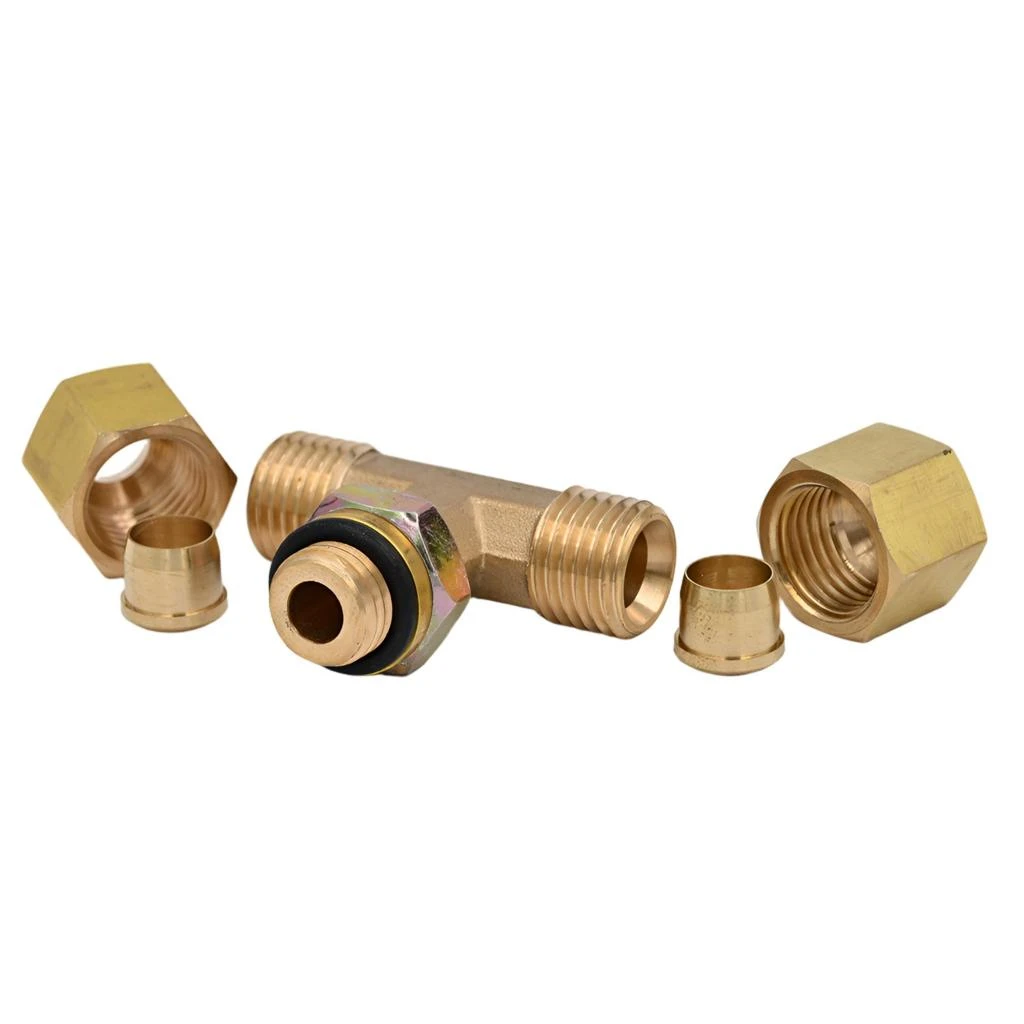
A brass compression fitting is a mechanical pipe connector consisting of several main components:
1. Fitting Body
The main connection part that provides the flow passage.
Common shapes:
- Straight connector
- Elbow
- Tee
- Adapter
- Union
- Bulkhead fitting
2. Compression Nut
The nut applies axial force when tightened.
3. Ferrule / Compression Ring
The ferrule deforms slightly around the tube surface to create the seal.

4. Tube
The fitting clamps directly onto the tube without requiring welding or soldering.
Compression fittings are commonly available in configurations such as:
- Tube × tube
- Tube × male thread
- Tube × female thread
- Elbow
- Tee
- Union
Commercial compression fitting suppliers commonly categorize products by these structures, including elbows, tees, adapters, unions, sleeves and nuts.
2. Why Choose Brass Compression Fittings?
Compared with soldered or welded connections, brass compression fittings offer several practical advantages.
No Heat Required
Installation does not require:
- Flame
- Soldering equipment
- Welding equipment
This makes them suitable for:
- Maintenance projects
- Repair work
- Equipment assembly
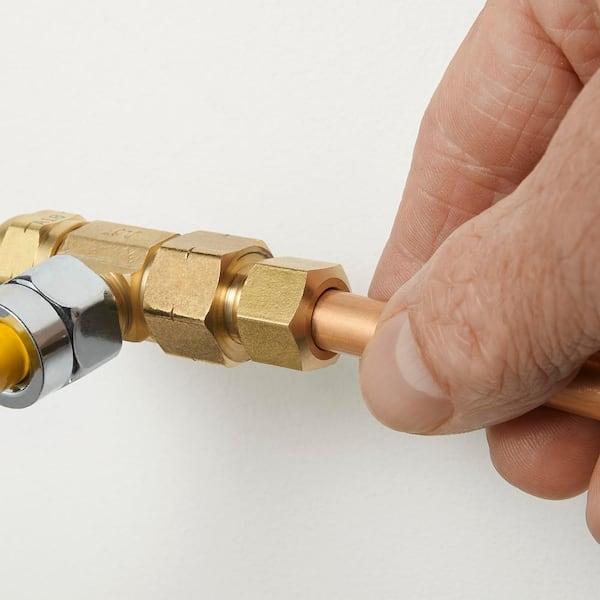
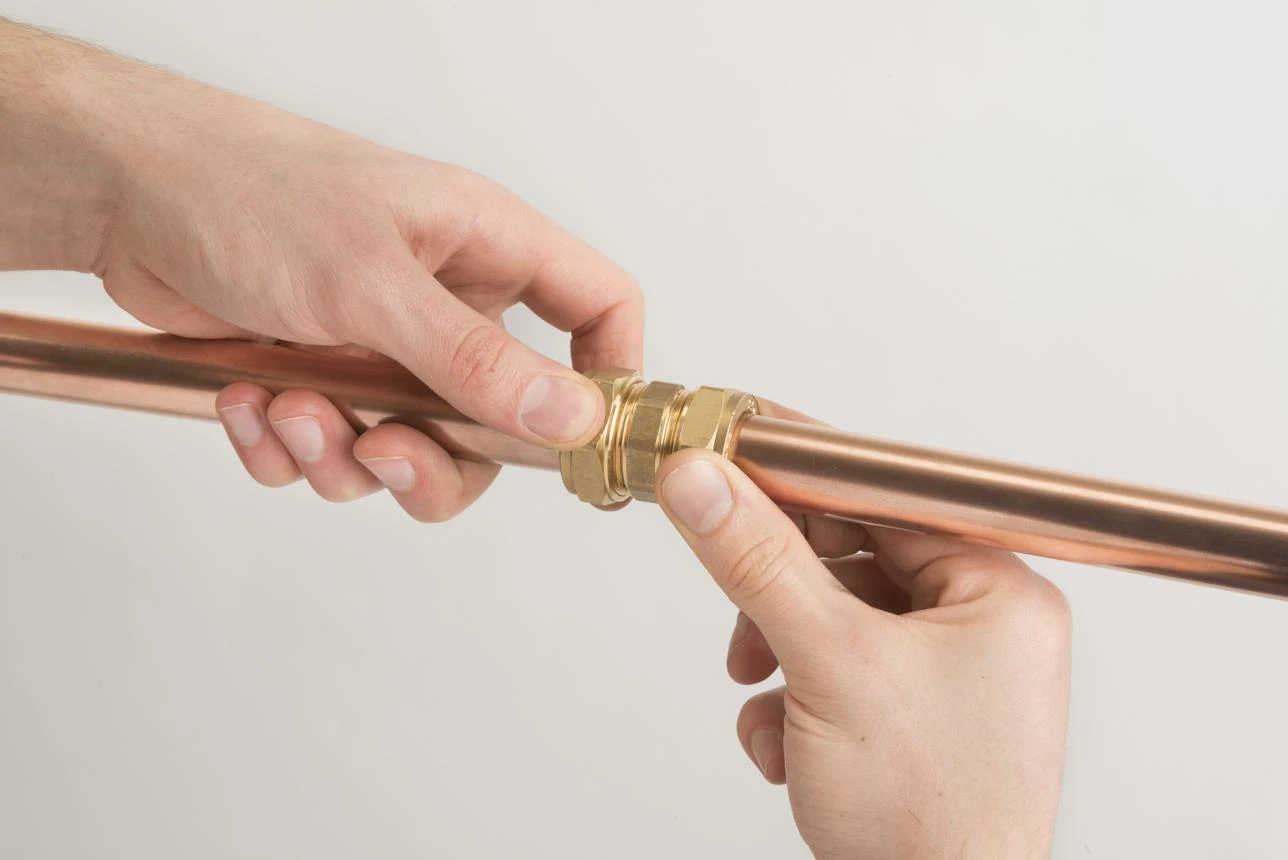

Easy Installation
A typical installation requires:
- Insert tube into fitting
- Tighten compression nut
- Ferrule compresses around tube
- Connection is sealed
Easy Maintenance
Compression fittings can usually be disconnected and reassembled more easily than permanent joints.
Suitable for Multiple Industries
Applications include:
Plumbing
- Residential water systems
- Commercial buildings
- Water treatment equipment
HVAC
- Heating systems
- Cooling systems
- Instrument connections
Industrial
- Pneumatic systems
- Hydraulic instrumentation
- Control equipment
HBFittings lists HVAC & plumbing, water treatment and industrial automation among its application fields.
3. Brass Compression Fittings Material Selection


The brass grade determines:
- Machining performance
- Strength
- Corrosion resistance
- Compliance
HBFittings supplies several brass materials including:
- CA360
- CA345
- CA377
- C46500 lead-free brass
- CW602N DZR brass
- CW617N DZR brass
CA360 Brass
Commonly used for machined brass components.
Advantages:
- Excellent machinability
- Good dimensional accuracy
- Suitable for CNC machining
Suitable for:
- Small fittings
- Precision connectors
- Instrumentation components
CA377 Brass
Commonly associated with forged brass components.
Advantages:
- Good mechanical properties
- Suitable for pressure-related components
Lead-Free Brass
For drinking water applications, specify:
- Lead content requirement
- Certification
- Applicable standard
Lead-free brass is different from DZR brass:
- Lead-free → controls lead content
- DZR → improves resistance to dezincification
DZR Brass
For water systems with corrosion concerns:
- CW602N
- CW617N
can be considered.
4. Brass Compression Fittings for Different Applications
Residential Plumbing Systems

Residential applications include:
- Kitchen water connections
- Bathroom plumbing
- Water heaters
- Filtration systems

Important selection points:
Tube Material
Confirm compatibility with:
- Copper tube
- PEX tube
- Plastic tube
Water Requirement
For drinking water:
- Confirm lead-free requirement
- Confirm certification
Size
Common sizes:
- 1/4"
- 3/8"
- 1/2"
- 3/4"
5. Brass Compression Fittings for HVAC Systems


HVAC systems often require compact and reliable tube connections.
Applications:
- Temperature sensors
- Pressure gauges
- Heat exchangers
- Control systems
- Water circuits
Important factors:
- Temperature range
- Vibration
- Pressure fluctuation
- Tube material
For higher vibration environments, fitting design and installation method become important considerations.
6. Brass Compression Fittings for Industrial Applications


Industrial applications require more attention to:
- Pressure rating
- Media compatibility
- Material certification
- Dimensional accuracy
- Typical applications:
- Pneumatic control systems
- Instrument panels
- Laboratory equipment
- Automation machinery
HBFittings provides customized brass machining services for industrial customers requiring special dimensions and drawings.
7. Compression Fitting Connection Types


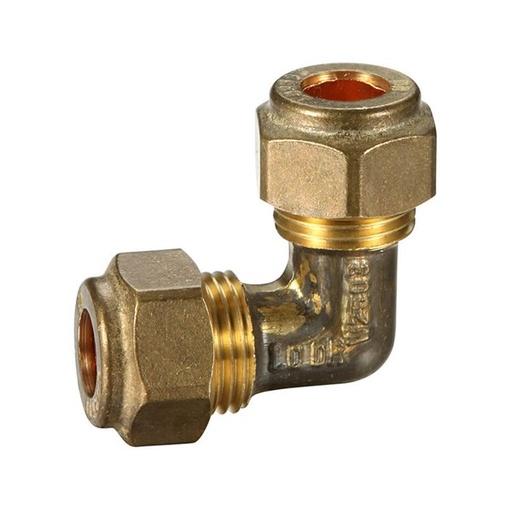
Straight Compression Connector
Used for:
Joining two tubes
Extending pipelines
Compression Elbow
Used when:
- Pipe direction changes
- Space is limited
Common:
- 90° elbow
- 45° elbow
Compression Tee
Used for:
- Branch connections
- Instrument lines
Compression Adapter
Connects:
- Tube to thread
- Compression side to equipment port
Common threads:
- NPT
- BSP
- BSPT
Compression Union
Used where:
- Two tubes need connection
- Future maintenance is expected
8. How to Choose the Correct Tube Size


A common purchasing mistake is selecting by pipe name instead of actual tube dimension.
Compression fittings are normally selected according to:
Tube Outside Diameter (OD)
Example:
- Wrong:
- 1/2 inch pipe fitting
- Correct:
- 1/2 inch OD copper tube compression fitting
- Confirm:
- Tube OD
- Wall thickness
- Tube material
- Hard or soft tube
Commercial compression fitting catalogs usually classify sizes by tube OD rather than nominal pipe size.
9. Brass Compression Fittings vs Push Fit Fittings


|
Item |
Compression Fitting |
Push Fit Fitting |
|
Installation |
Tighten nut |
Push tube into fitting |
|
Tools |
Wrench required |
Minimal tools |
|
Maintenance |
Easy |
Easy |
|
Pressure capability |
Depends on design |
Depends on design |
|
OEM customization |
High |
High |
|
Traditional plumbing |
Very common |
Increasing |
HBFittings offers both brass compression fittings and push-fit fittings, allowing customers to select based on installation method and project requirements. (hbfittings.net)
10. Brass Compression Fittings vs Flare Fittings
|
Item |
Compression |
Flare |
|
Tube preparation |
Cut and insert |
Tube must be flared |
|
Installation |
Faster |
Requires flaring tool |
|
Maintenance |
Simple |
Reliable mechanical seal |
|
Typical use |
Plumbing, instrumentation |
HVAC, refrigeration |
Choose according to:
- Industry standard
- Equipment requirement
- Maintenance method
11. Thread Standard Selection

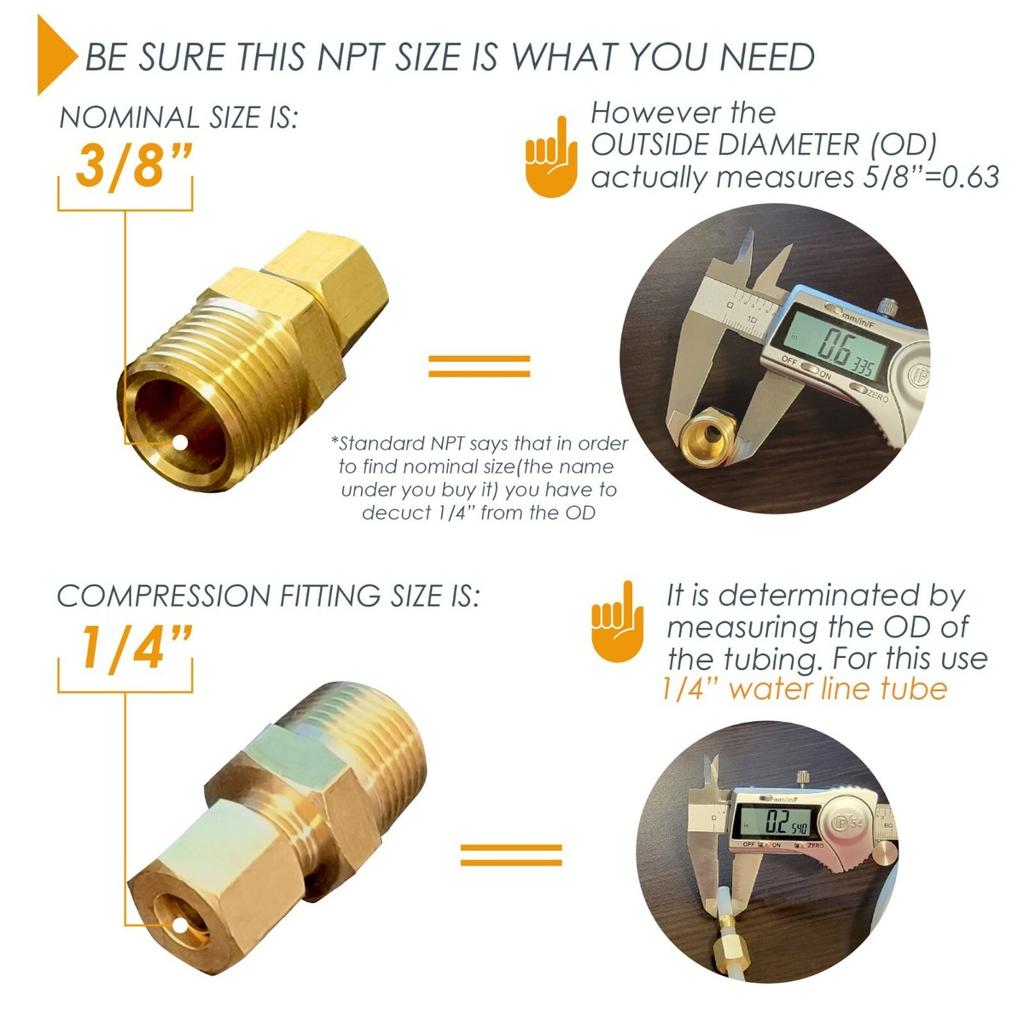
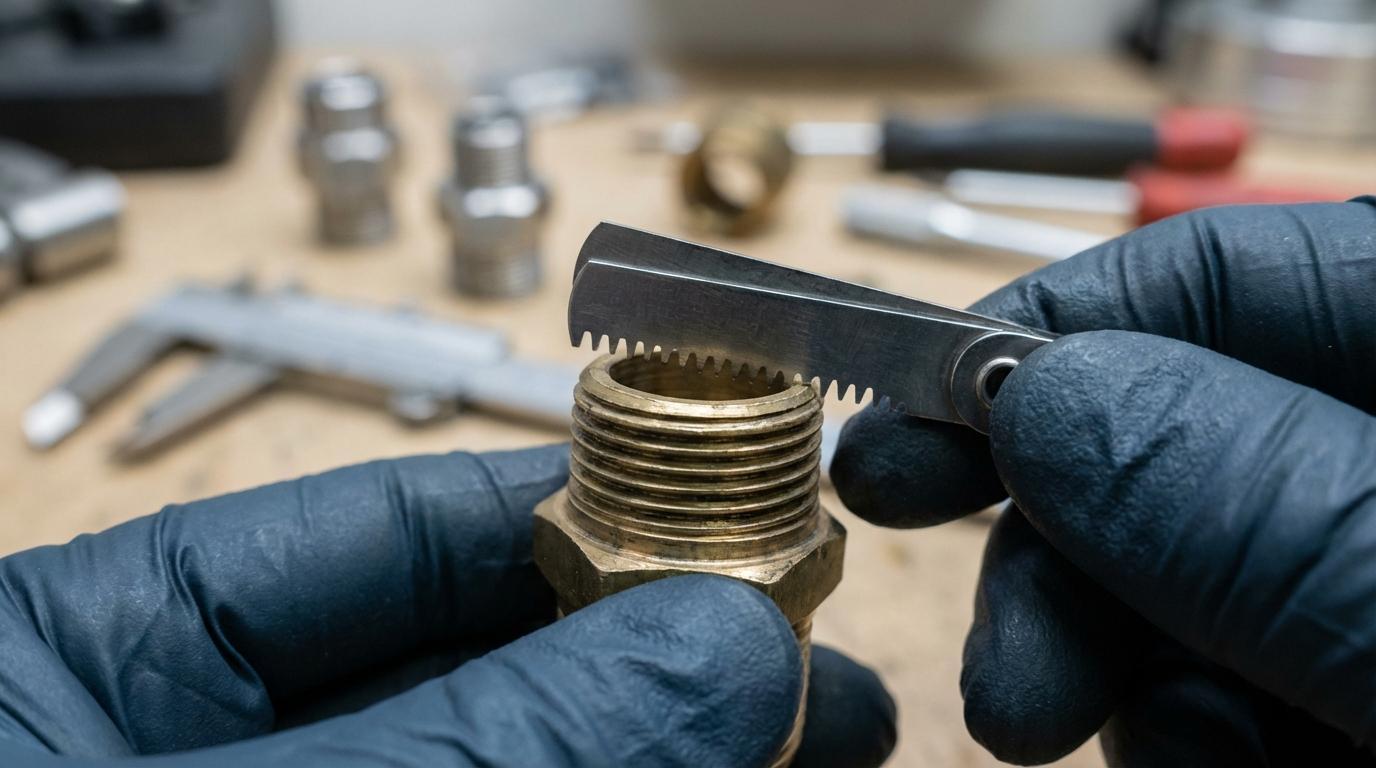
Thread mismatch is one of the most common causes of installation problems.
Confirm:
NPT
Common in:
- North America
- Industrial equipment
BSP / BSPT
Common in:
- Europe
- Asia
- Commonwealth markets
Specify:
Example:
1/2 inch compression × 1/2 inch male NPT
Not:
1/2 inch brass adapter
12. Pressure and Temperature Selection


The working pressure depends on:
- Fitting size
- Tube material
- Tube thickness
- Temperature
- Installation quality
Do not select only by material.
Request:
- Maximum working pressure
- Burst pressure
- Temperature range
- Test standard
13. Brass Compression Fitting Manufacturing Process


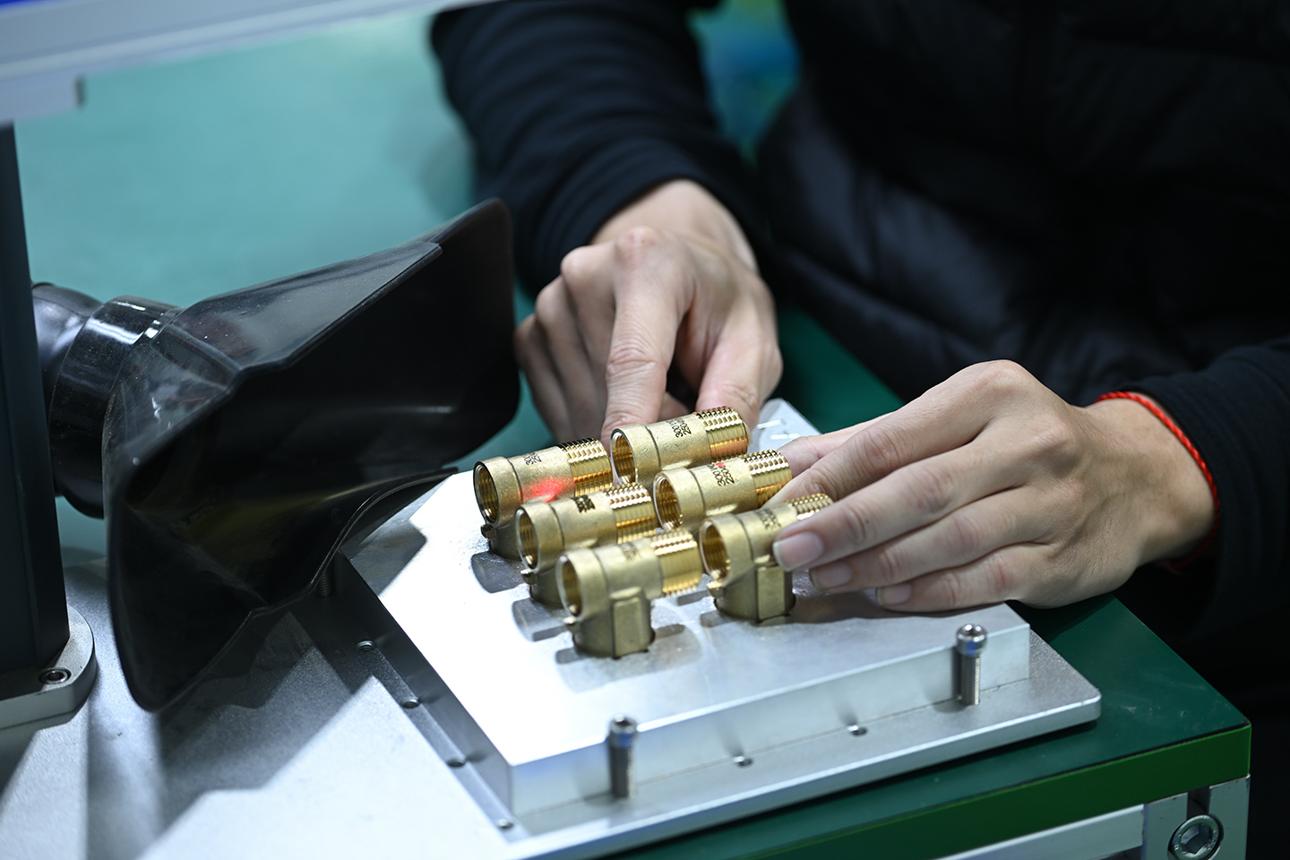
A typical manufacturing process:
1. Brass Material Preparation
Check:
Alloy composition
Material certificate
2. Forging / Bar Processing
Depending on design:
Hot forging
CNC machining
3. CNC Machining
Creates:
Threads
Sealing surfaces
Precision dimensions
4. Surface Treatment
Options:
Natural brass
Nickel plating
Chrome plating
5. Inspection
Includes:
Dimension inspection
Thread inspection
Leakage testing
HBFittings highlights CNC machining, automated production lines and inspection capability for brass fitting manufacturing.
14. OEM Brass Compression Fittings Buying Considerations
For OEM projects, provide:
Drawing
Include:
Dimensions
Tolerances
Thread details
Material
Example:
CA377 brass
or
Lead-free brass C46500
Surface
Example:
Nickel plated
Application
Example:
Drinking water system
Quantity
Example:
50,000 pcs/year
HBFittings supports OEM/ODM projects including engineering design, drawing optimization and customized brass components. (hbfittings.net)
15. Brass Compression Fittings Quality Checklist
Before purchase:
Material
□ Brass grade confirmed
□ Lead requirement confirmed
□ Material certificate available
Dimension
□ Tube OD confirmed
□ Thread standard confirmed
□ Drawing approved
Performance
□ Pressure rating
□ Temperature range
□ Leakage test
Application
□ Water
□ Air
□ Oil
□ Gas
□ Hydraulic system
Production
□ CNC machining
□ Inspection process
□ Packaging requirement
16. Common Buying Mistakes
Mistake 1: Choosing Size by Pipe Name
Always confirm tube OD.
Mistake 2: Ignoring Tube Material
Copper tube and plastic tube may require different ferrules or inserts.
Mistake 3: Confusing DZR with Lead-Free
They solve different problems.
Mistake 4: Buying Only by Price
Low-cost fittings may differ in:
- Material grade
- Wall thickness
- Thread accuracy
- Inspection standard
17. HBFittings Brass Compression Fittings Selection Guide
For HBFittings customers, the recommended selection process:
Step 1
Define application:
- Plumbing
- HVAC
- Water treatment
- Industrial equipment
Step 2
Select material:
- CA360
- CA377
- C46500 lead-free brass
- CW602N/CW617N DZR brass
Step 3
Confirm connection:
- Compression
- Threaded
- Push-fit
- Custom
Step 4
Confirm technical requirements:
- Size
- Pressure
- Temperature
- Certification
Step 5
Confirm production:
- CNC machining
- Forging
- Inspection
- OEM capability


