


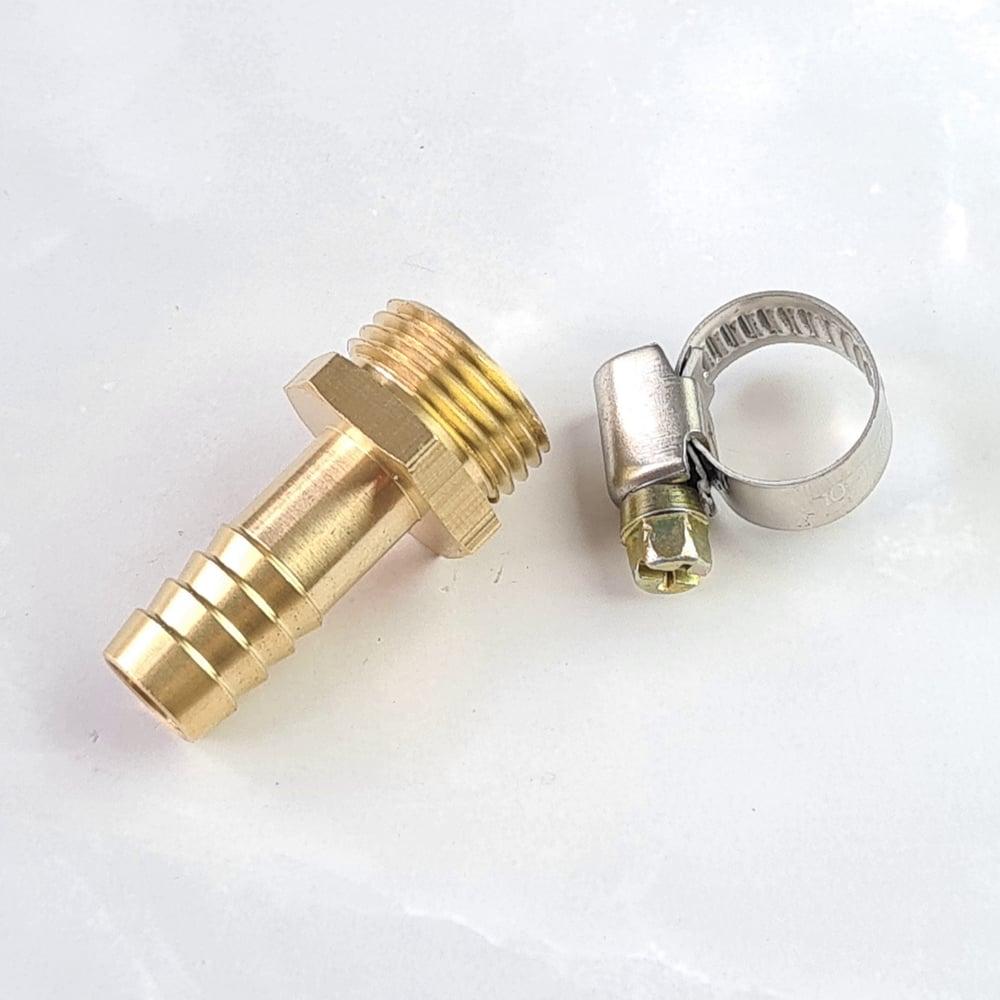
Introduction: How to Select Brass Hose Barb Fittings for Fluid Connection Systems
Brass hose barb fittings are simple-looking connection components, but their performance depends on several details that are often overlooked:
- Hose inner diameter
- Hose material
- Fluid type
- Working pressure
- Temperature range
- Brass material grade
- Thread standard
- Installation method
A hose barb fitting does not seal through threads alone. The barbed end enters the flexible hose, and the raised ridges grip the inner wall of the hose. A clamp, ferrule or crimp ring is normally used to secure the connection and prevent hose movement.
HBFittings provides a range of brass fitting solutions including brass hose barb fittings, brass pipe fittings, compression fittings, push-fit fittings, PEX fittings and customized brass components. The company supports OEM/ODM projects with CNC machining, engineering support and customized production according to customer drawings.
For buyers sourcing brass hose barb fittings, the correct question is not only:
"Do you have brass hose barbs?"
The more important questions are:
"Which hose, which medium, which pressure, and which brass grade?"
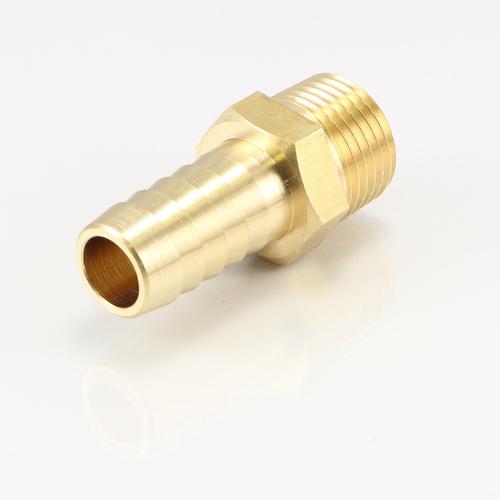
1. What Are Brass Hose Barb Fittings?
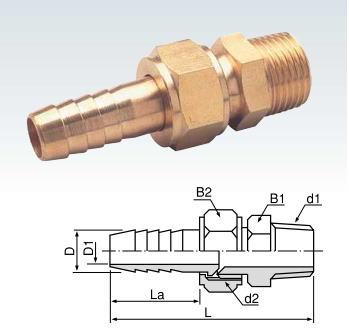

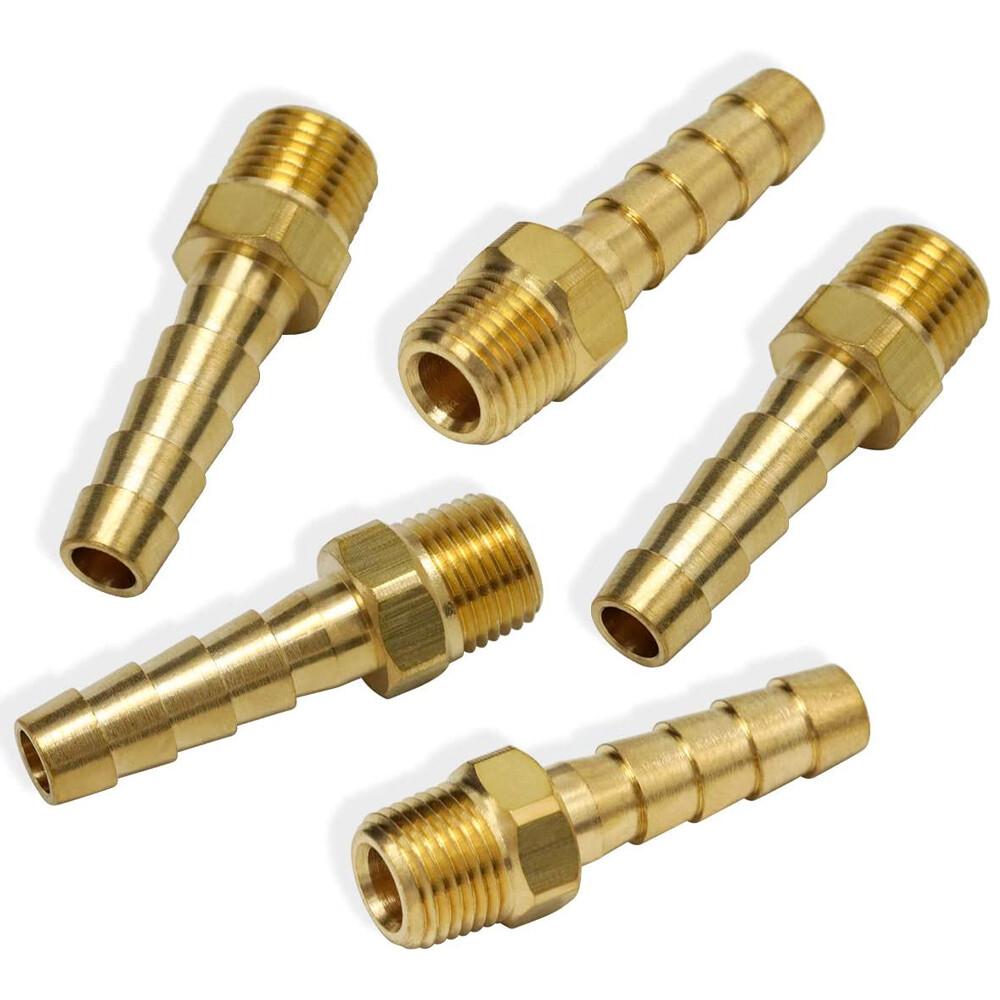
A brass hose barb fitting is a connector designed to join flexible hoses with pipes, equipment ports or other hose sections.
The main structure includes:
1. Barb End
The stepped or ridged section inserts into the hose.
Functions:
- Increase grip
- Prevent hose pull-off
- Improve sealing contact
2. Hex Body
The hex section allows installation with a wrench.
3. Threaded End
Common options:
- Male NPT
- Female NPT
- BSP
- BSPT
- Custom threads
4. Hose Clamp / Ferrule
The clamp compresses the hose around the barb.
For many brass hose barb designs, the fitting is intended to work together with a hose clamp, similar clamp or crimped ferrule.
2. How Brass Hose Barb Fittings Work


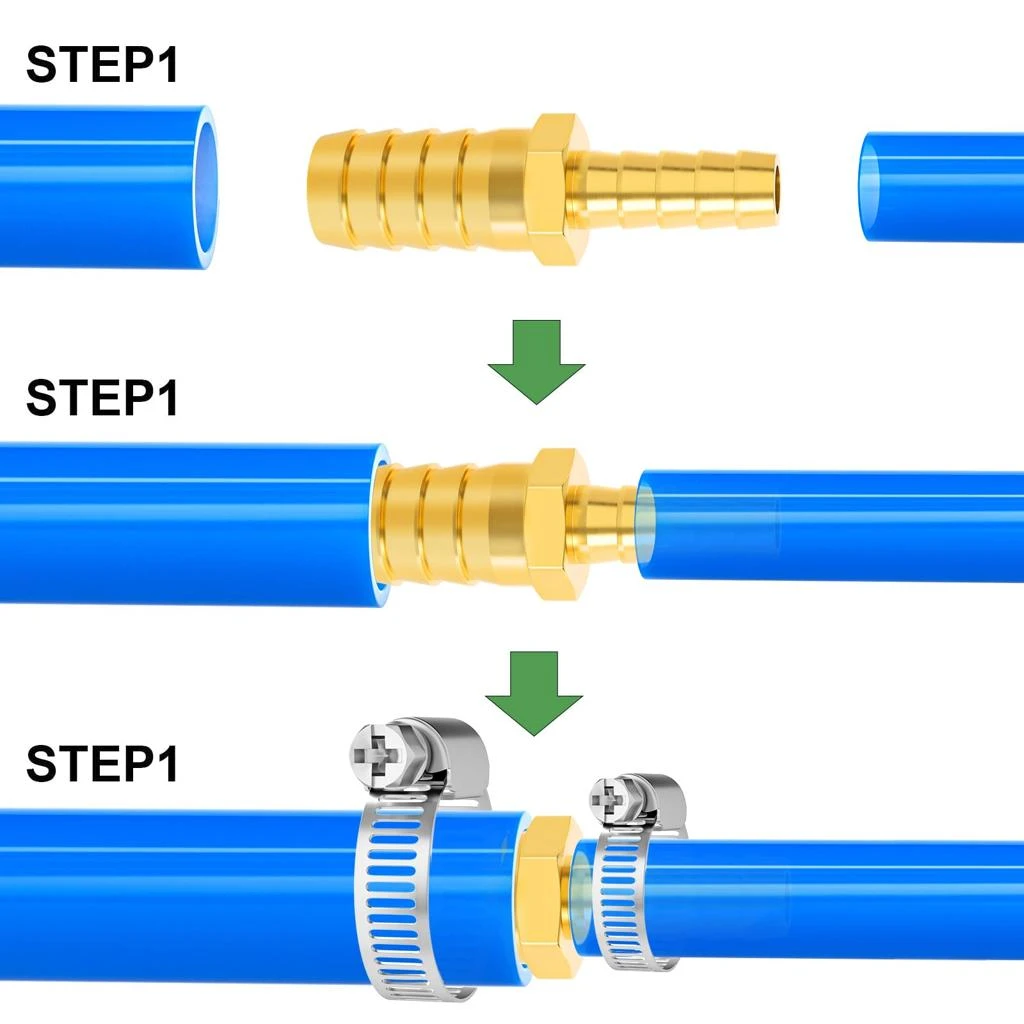
The connection process:
Step 1: Insert the Hose
The hose is pushed over the barb profile.
The hose expands slightly during installation.
Step 2: Hose Recovery
The hose material attempts to return to its original size, creating pressure around the barb.
Step 3: Clamp Fixing
A clamp or ferrule locks the hose position.
Step 4: Fluid Transfer
The fitting provides a continuous passage between:
- Hose
- Equipment
- Pipeline
The sealing quality depends on:
- Correct hose ID
- Proper barb size
- Hose hardness
- Clamp position
- Installation quality
3. Why Choose Brass Hose Barb Fittings?


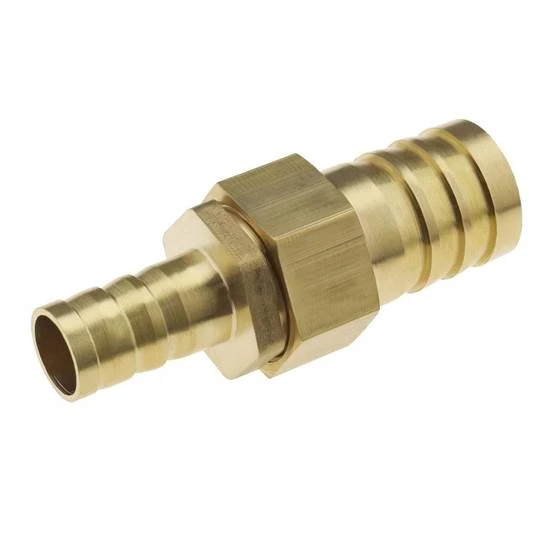
Brass hose barb fittings remain widely used because they combine:
Easy Installation
No welding or soldering is required.
Installation normally needs:
- Hose
- Clamp
- Basic hand tools
Good Machining Performance
Brass is suitable for producing:
- Threads
- Barb profiles
- Precision dimensions
This makes it suitable for OEM components requiring stable dimensions.
Good Corrosion Resistance
Brass performs well in many:
- Water systems
- Pneumatic systems
- General fluid applications
Flexible Application
Common uses include:
- Water transfer
- Air lines
- Pneumatic equipment
- Low-pressure fluid systems
- Industrial equipment
Brass hose barbs are commonly used for air, water and other low-pressure applications where flexible hoses are connected with clamps or ferrules.
4. Brass Hose Barb Fittings Material Selection

Material selection affects:
- Strength
- Machining quality
- Corrosion resistance
- Compliance requirements
HBFittings provides multiple brass materials, including:
- CA360 brass
- CA345 brass
- CA377 brass
- C46500 lead-free brass
- CW602N DZR brass
- CW617N DZR brass
CA360 Brass Hose Barb Fittings
CA360 is commonly selected for machined brass parts.
Advantages:
- Excellent machinability
- Accurate dimensions
- Suitable for CNC production
- Suitable for:
- Straight hose barbs
- Small connectors
- Instrument fittings
CA377 Brass Hose Barb Fittings
CA377 is commonly used for forged brass components.
Advantages:
- Better structural strength
- Suitable for shaped fittings
- Suitable for:
- Elbows
- Tees
- Higher mechanical load designs
Many brass hose barb suppliers use CA360 for barstock fittings and CA377 for forged fittings.
Lead-Free Brass Hose Barb Fittings
For drinking water applications:
Specify:
- Lead content requirement
- Applicable standard
- Certification
Lead-free brass and DZR brass solve different problems:
|
Material Type |
Main Purpose |
|
Lead-Free Brass |
Control lead content |
|
DZR Brass |
Improve dezincification resistance |
5. How to Select Brass Hose Barb Fittings by Application
Water Transfer Systems


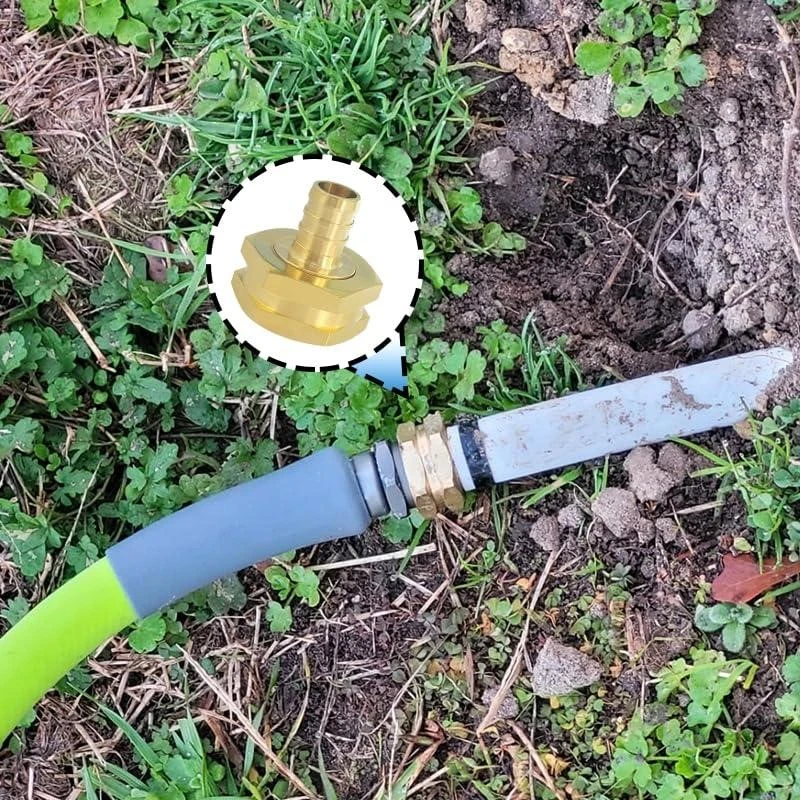
Common applications:
- Water pumps
- Filtration equipment
- Irrigation systems
- Water tanks
Selection points:
- Water quality
- Pressure
- Hose material
- Outdoor exposure
For drinking water:
Confirm:
- Lead-free requirement
- Certification requirement
Pneumatic Systems
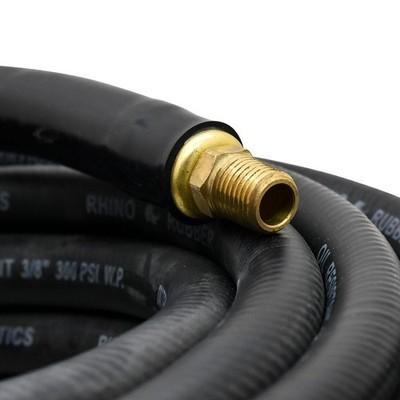

Used for:
- Air hoses
- Compressors
- Control systems
Consider:
- Air pressure
- Hose reinforcement
- Vibration
Food and Beverage Equipment


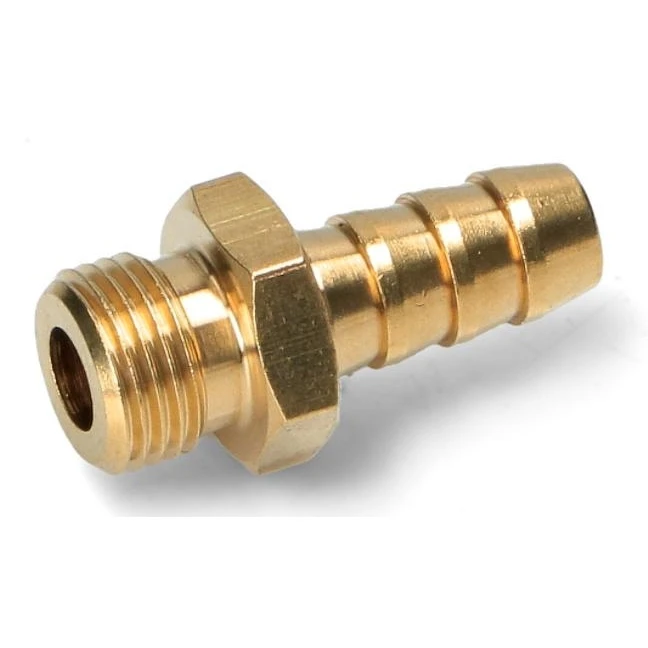
Important requirements:
- Material compliance
- Cleaning method
- Fluid compatibility
For highly regulated food systems, buyers may compare:
Lead-free brass
Stainless steel 304
Stainless steel 316
Industrial Equipment
Applications:
- Machinery cooling systems
- Lubrication systems
- Fluid circulation equipment
Confirm:
- Medium compatibility
- Pressure
- Temperature
6. Brass Hose Barb Fitting Types


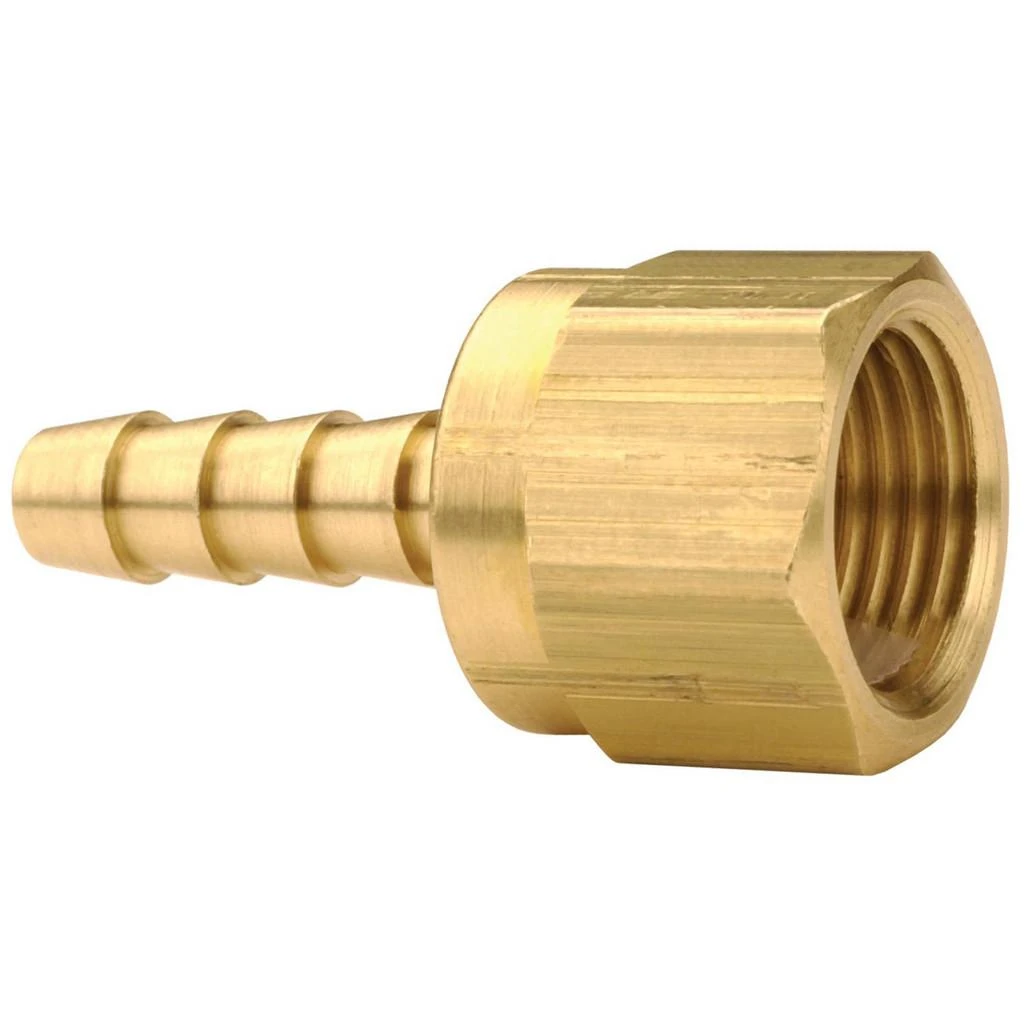
Hose barb fittings are available in different configurations.
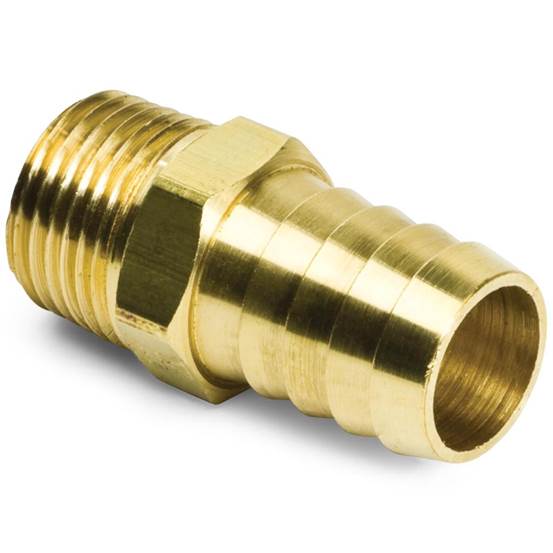
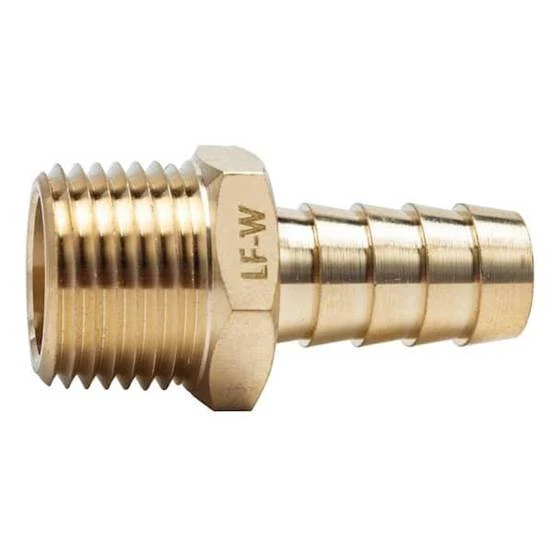
Hose Barb × Male Thread
Used for:
Connecting hose to:
- Valves
- Pumps
- Equipment ports
Example:
1/2" hose barb × 1/2" male NPT
Hose Barb × Female Thread
Used where the equipment has a male threaded connection.
Hose Barb Elbow
Used when:
- Installation space is limited
- Hose routing requires direction change
Common:
- 45°
- 90°
Hose Barb Tee
Used for:
Branch lines
Distribution systems
Hose Barb Union
Used for:
Hose-to-hose connection
Maintenance replacement
7. How to Choose the Correct Hose Size
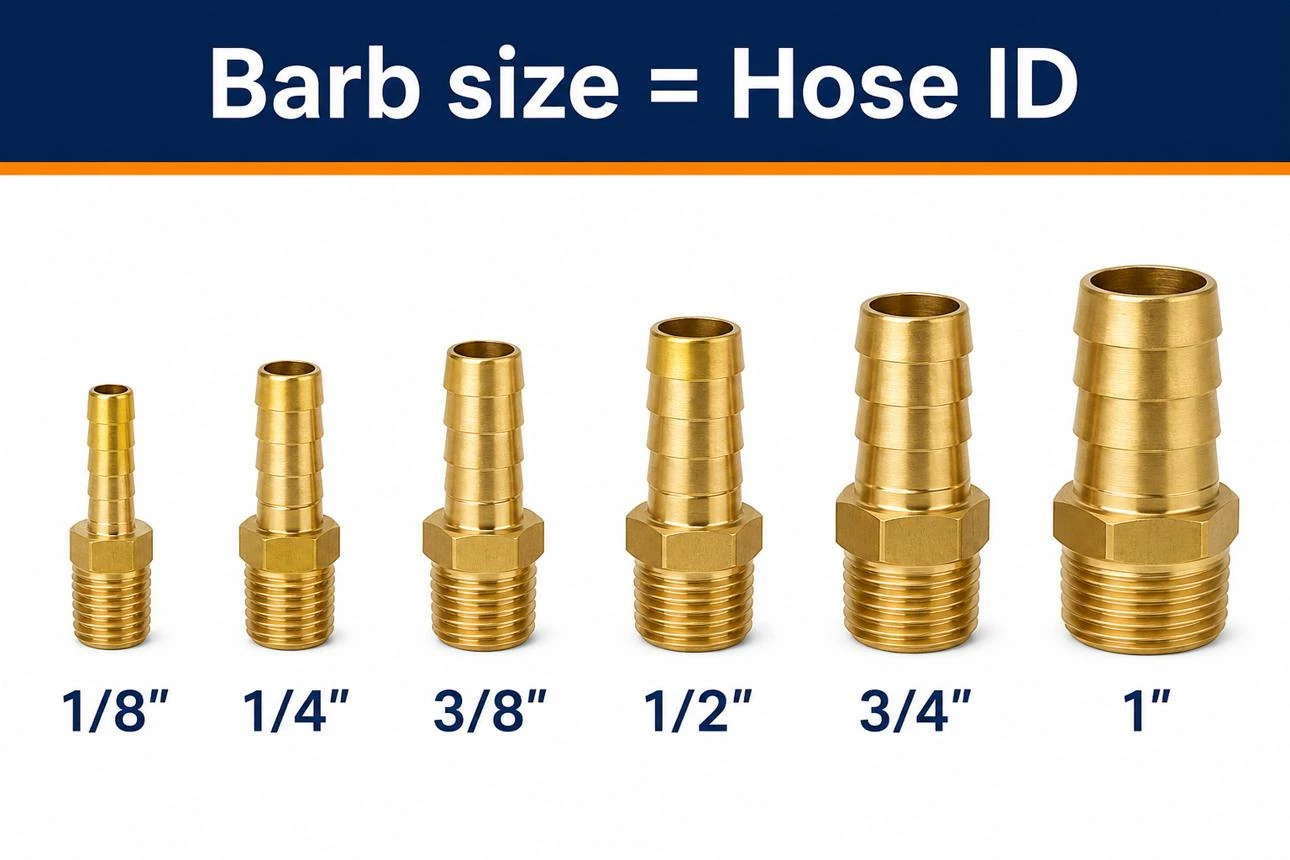
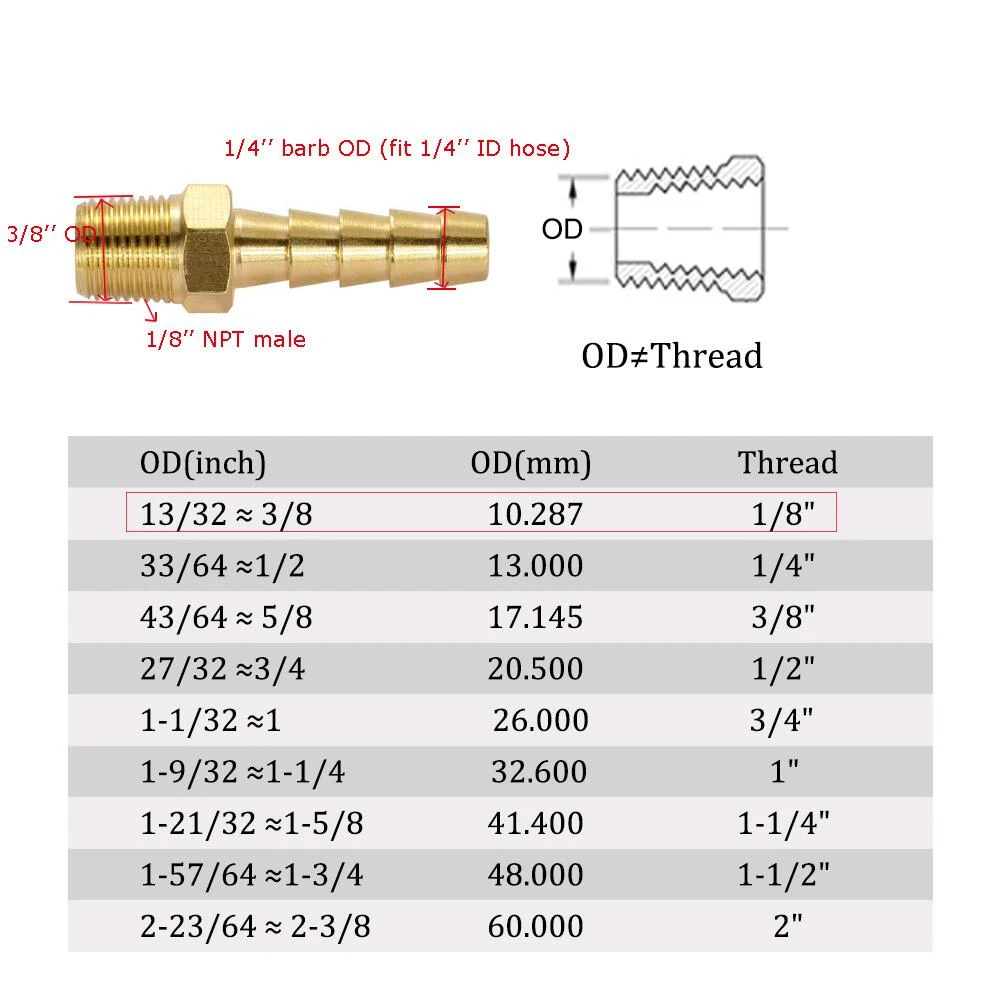

The most important dimension is:
Hose Inner Diameter (ID)
Not:
- Hose outside diameter
- Pipe nominal size
Example:
Wrong:1/2 inch hose fitting
Correct:1/2 inch ID hose barb fitting
Confirm:
- Hose ID
- Hose wall thickness
- Hose material
- Reinforcement structure
Common hose barb sizes include:
- 1/8"
- 1/4"
- 3/8"
- 1/2"
- 5/8"
- 3/4"
- 1"
8. Brass Hose Barb Fittings vs Compression Fittings


|
Item |
Hose Barb Fittings |
Compression Fittings |
|
Connection |
Flexible hose |
Tube |
|
Installation |
Push hose + clamp |
Nut + ferrule |
|
Tube requirement |
Flexible hose |
Rigid/semi-rigid tube |
|
Maintenance |
Easy |
Easy |
|
Common use |
Water, air, fluid hose |
Plumbing tube systems |
Choose hose barb fittings when the system uses flexible hoses.
Choose compression fittings when the system uses:
- Copper tube
- Plastic tube
- Instrument tubing
9. Brass Hose Barb Fittings vs Push Fit Fittings
|
Item |
Hose Barb |
Push Fit |
|
Installation |
Hose insertion |
Push tube insertion |
|
Extra clamp |
Usually required |
Usually integrated |
|
Hose flexibility |
Excellent |
Depends on tube |
|
Repair |
Easy |
Easy |
|
Cost |
Usually economical |
Higher |
10. Thread Standard Selection


Thread selection is critical for equipment connection.
Common standards:
NPT
Used widely in:
- North America
- Industrial equipment
BSP / BSPT
Common in:
- Europe
- Asia
- UK markets
Specify:
Example: Brass hose barb × 1/2" male NPT
Not:1/2 inch brass barb

11. Pressure and Temperature Selection


Pressure capability depends on:
- Barb design
- Hose type
- Clamp method
- Temperature
- Medium
Many general brass hose barb fittings are designed for low-pressure applications. Typical catalog ranges may show around 150 PSI maximum and temperature ranges around -40°F to +160°F, but the final rating depends on the exact product design and hose system.
Always confirm:
- Working pressure
- Burst pressure
- Temperature range

12. Brass Hose Barb Manufacturing Process


A typical manufacturing process:
Raw Brass Inspection
Check:
- Material grade
- Chemical composition
Forming
Methods:
- Barstock machining
- Forging
CNC Machining
Produces:
- Threads
- Barb grooves
- Precision dimensions
Surface Treatment
Options:
- Natural brass
- Nickel plating
- Chrome plating
Inspection
Includes:
- Thread inspection
- Dimension checking
- Leakage testing
HBFittings highlights CNC machining, automated production and inspection capability for brass fitting manufacturing.
13. OEM Brass Hose Barb Fittings Buying Guide
For custom projects, provide:
Product Drawing
Include:
Overall length
Barb dimensions
Thread specification
Material
Example:
CA360 brass
or
CA377 forged brass
Application
Example:
Water pump hose connection
Surface
Example:
Nickel plated
Quantity
Example:
100,000 pcs/year
HBFittings provides OEM/ODM support including customized brass components and engineering assistance.
14. Common Purchasing Mistakes
Mistake 1: Matching by Thread Only
The hose side must also match.
Mistake 2: Ignoring Hose Material
Different hoses have different:
Hardness
Elasticity
Pressure capability
Mistake 3: No Clamp Specification
A good barb fitting still needs the correct clamp or ferrule.
Mistake 4: Using Brass for Every Medium
Check compatibility with:
- Chemicals
- Fuel
- Corrosive fluids
15. Brass Hose Barb Fittings Buyer Checklist
Hose
□ Hose ID
□ Hose material
□ Hose pressure rating
Fitting
□ Barb size
□ Thread type
□ Material grade
□ Shape type
Application
□ Water
□ Air
□ Oil
□ Food
□ Industrial fluid
Performance
□ Pressure
□ Temperature
□ Chemical compatibility
Manufacturing
□ CNC machining
□ Forging
□ Inspection
□ OEM capability
16. HBFittings Brass Hose Barb Fittings Selection Process
For HBFittings customers:
Step 1 - Define Hose
ID size
Material
Pressure
Step 2 - Select Brass Grade
Options:
CA360
CA377
C46500
CW602N
CW617N
Step 3 - Select Connection
Male thread
Female thread
Hose-to-hose
Elbow
Tee
Step 4 - Confirm Requirements
Pressure
Temperature
Certification
Quantity
Step 5 - Confirm Manufacturing
Machining
Forging
Inspection


