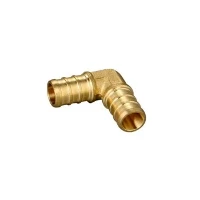
If you’ve ever spent time troubleshooting a hydraulic system that’s running sluggish, leaking unexpectedly, or draining more energy than it should, you know how tiny components can derail even the most well-designed setups. As a supplier of brass reusable hydraulic hose fittings, I’ve seen firsthand how often teams overlook the critical link between fitting choice and overall system efficiency. It’s easy to fixate on pumps, hoses, or fluid specs, but the fittings that connect these parts have a massive, often underrecognized impact on flow, energy use, downtime, and long-term operational costs. Let’s break down why these small but vital components matter—and how brass reusable options stack up against traditional alternatives to keep systems running smoother, faster, and cheaper.
First, let’s clarify what makes brass reusable hydraulic hose fittings different from one-time crimped fittings, the older standard for most hydraulic systems. Traditional crimped fittings require a special tool to compress the metal end onto the hose, meaning once they’re installed, they’re permanent—if you need to replace a hose, you have to cut the old fitting off and crimp a new one, wasting both the fitting and the hose end every time. Reusable fittings, by contrast, screw or clamp onto the hose in seconds, no special tools required. The big question, though, is do they actually help system efficiency? The answer is a resounding yes, and it boils down to three core factors: flow dynamics, leak resistance, and energy loss.


Flow is the lifeblood of any hydraulic system. When fluid moves through hoses and fittings, friction and turbulence create resistance, which forces the pump to work harder to maintain the required pressure. The shape, size, and material of a fitting directly affect this resistance, and brass reusable fittings are designed to minimize it at every turn. Take the Male Jic Reusable Hose Fitting for example. Its JIC (Joint Industry Council) standard design has smooth, contoured inner walls that match the inner diameter of most hydraulic hoses precisely. Unlike lower-quality fittings with sharp edges or inconsistent bores, the male JIC’s gradual taper eliminates abrupt changes in fluid path that cause turbulence. Turbulence isn’t just inefficient—it also generates heat, which breaks down hydraulic fluid faster and shortens the life of system seals and hoses. A 2022 study from the Fluid Power Technology Association (FPTA) found that fittings with smooth, matched bores reduced flow resistance by up to 12% compared to fittings with mismatched or rough inner surfaces. For a typical industrial hydraulic system running 10 hours a day, that translates to a 5-7% reduction in pump energy use—savings that add up to thousands of dollars a year in electricity costs alone.
Another key efficiency driver is leak prevention, and brass’s natural properties make reusable brass fittings far less prone to leaks than fittings made from steel, aluminum, or plastic. Brass is a malleable, corrosion-resistant metal that forms a tight, consistent seal when installed correctly. Unlike steel fittings, which can rust and seize over time, brass resists corrosion even in harsh environments—think construction sites with high moisture, agricultural settings with fertilizer exposure, or manufacturing plants with chemical fumes. Leaks may seem like a minor nuisance, but in reality, they’re a massive drain on efficiency. A single small leak in a hydraulic system can cause a 10% drop in system pressure, forcing the pump to run longer and harder to compensate. That same FPTA study I mentioned earlier also found that systems with leaking fittings have 15-20% higher energy costs than leak-free systems. Brass reusable fittings create a reliable, long-lasting seal, especially when installed properly with JIC threads (a standard that most reusable brass fittings use, like the Brass Jic Male To Female Branch Tee). The JIC’s 37-degree flare design creates a metal-to-metal seal that doesn’t rely on messy thread sealant or Teflon tape, which can degrade over time and cause leaks. I’ve seen customers switch from steel crimped fittings to brass reusable ones and cut their annual fluid loss from 50+ gallons to less than 5 gallons— that’s not just cost savings on fluid, it’s also less downtime spent cleaning up leaks and fixing related damage like corroded hoses or stained work floors.
Durability is another piece of the efficiency puzzle, and reusable brass fittings outlast many alternative types, reducing the need for frequent replacements. Traditional crimped fittings often fail at the crimp point, where the hose and fitting meet—repeated pressure cycles, vibration, and improper crimping can cause the hose to split or the fitting to pull loose. Brass reusable fittings, on the other hand, clamp securely onto the hose with a mechanical grip that distributes pressure evenly along the hose’s outer reinforcement layer, not just at a single crimp point. This makes them far more resistant to failure from vibration, which is a common issue in mobile hydraulic systems like those on excavators, trucks, or farm equipment. Even when a hose does need replacing, reusable fittings can be removed and reinstalled on a new hose—no need to discard the entire fitting. That not only reduces material waste, but also cuts downtime: swapping a reusable fitting takes 2 minutes, vs. 15-20 minutes to crimp a new steel fitting (and the cost of the new fitting itself). For a fleet of 50 excavators that each need a hose replacement once a month, that’s 10 hours of saved labor a month, plus 40 extra fittings a year that don’t need to be manufactured or disposed of. The Brass Jic Male Union Tee is a perfect example here; its union design allows you to split a hydraulic line without cutting the hose, making maintenance even faster and reducing the number of fittings you need to handle during repairs.
Now, I know what some of you are thinking: brass is more expensive upfront than steel or plastic fittings—does that extra cost pay off in the long run? The short answer is yes, especially for systems that run 24/7 or operate in harsh conditions. Let’s do a quick cost comparison: a single male JIC steel crimped fitting costs roughly $8, while a brass reusable one of the same size costs $12. Over a year, if a system needs 10 replacements (a conservative estimate for high-use or harsh environments), that’s $80 for steel vs. $120 for brass. But add in the energy savings from less friction, the fluid savings from fewer leaks, and the labor savings from faster installation, and brass comes out ahead. Take a 100-horsepower industrial hydraulic system running 40 hours a week, with an energy cost of $0.10 per kWh. The 5% energy savings from a brass reusable fitting would be about $2,000 a year. Multiply that by 5 years, and that’s $10,000 in energy savings alone—way more than the upfront cost difference for fittings.
Another often-overlooked benefit is versatility. Brass reusable fittings are compatible with most standard JIC hoses and adapters, so you don’t have to overhaul your entire system to switch to them. Whether you need a straight adapter, an elbow for tight spaces (like the JIC Female Swivel Elbow Fitting that works in narrow engine bays), or a tee for branching lines, there’s a brass reusable option that fits your needs. That versatility makes it easy to upgrade small parts of your system one at a time, without shutting down operations for weeks.
Of course, no fitting is perfect. Brass is softer than steel, so it’s not ideal for systems with extremely high pressure (over 3,000 PSI) or applications where fittings will be exposed to heavy impact. But for the vast majority of hydraulic systems—from agricultural equipment to factory assembly lines to construction trucks—brass reusable fittings are more than strong enough, and their efficiency benefits far outweigh their minor limitations. I always recommend customers check the pressure rating of their system before choosing a fitting, and if you’re working near the upper limit, we can help you select a heavy-duty brass reusable option that meets your needs.
Over the 8 years I’ve worked with brass reusable hydraulic hose fittings, I’ve talked to hundreds of system operators who’ve seen their efficiency jump after switching. One customer in the construction industry told me they cut their monthly hydraulic fluid costs by 30% after switching from steel crimped fittings to brass reusable ones on their fleet of 20 dump trucks. Another manufacturing client reduced their pump maintenance costs by 25% because less turbulence meant less heat buildup, which extended the life of their seals and pumps. These aren’t isolated cases—they’re the result of small, smart choices in components that most people don’t think about.
If you’re looking to boost your hydraulic system’s efficiency, reduce downtime, and cut long-term costs, the first step is to evaluate your current fittings. Chances are, the right brass reusable hydraulic hose fitting is a simple, affordable upgrade that will deliver big results. To explore our full range of options, check out our collection of Brass Reusable Hydraulic Hose Fittings, and feel free to reach out to our team to discuss your specific system needs. We’re here to help you find the right fittings to keep your operations running smoother and more efficiently.
References:
- Fluid Power Technology Association. (2022). Flow Resistance and Energy Loss in Hydraulic Fittings. Washington, DC: Fluid Power Society.
- American National Standards Institute. (2021). JIC 37-Degree Flare Fitting Design and Performance Specifications. New York, NY: ANSI.
- Occupational Safety and Health Administration. (2020). Industrial Hydraulic System Safety and Efficiency Best Practices. Washington, DC: U.S. Department of Labor.
- Hydraulic Hose Manufacturers Association. (2021). Reusable vs. Crimped Fitting: Long-Term Cost and Performance Comparison. Chicago, IL: HMA.