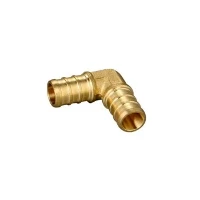
Hey there, if you’ve ever worked with fluid or gas systems—say, in industrial manufacturing, lab equipment, or even food and beverage processing—you know how much a tiny fitting can make or break the whole operation. A leak here, a pressure drop there, and suddenly you’re dealing with downtime, wasted materials, or even safety risks. That’s why I spend most of my days talking to engineers, plant managers, and techs about the real game-changer in tube fittings: the double ferrule design, specifically when it comes to the Double Ferrule Union Tube Fittings Male Connector. I’ve been supplying these for years, and let’s be real—most people don’t fully grasp why this little two-ring setup works so much better than single ferrule or other fitting designs. Today, I’m breaking it down like I would over a coffee at a trade show, no boring jargon (okay, maybe a bit of technical stuff, but I’ll keep it relatable).
First, let’s set the scene: what even is a male connector union for tubing? It’s that part that joins two sections of tubing together, often in tight spaces, and has a male thread end to connect to valves, pumps, or other components. The goal is simple: hold the tubing tight, create a zero-leak seal, and handle pressure, vibration, and temperature swings without failing. A bad fitting? It’ll loosen over time, leak at the worst moment, or even cut into the tubing wall so bad you have to replace the whole line. That’s where double ferrules come in—they fix almost every problem single ferrule fittings have.
Let’s start with the basics of how double ferrules work, because this is where the magic happens. Unlike a single ferrule which is just one metal ring that crushes against the tube and fitting, the double ferrule has two: a front ferrule (the “nose”) and a back ferrule (the “tail”). When you tighten the nut on the male connector, the back ferrule pushes the front ferrule forward, and the front ferrule doesn’t just crush the tube—it actually cuts into the outer surface of the tube while the back ferrule compresses evenly against the fitting’s body. Wait, that’s a big deal. Single ferrules rely on uniform force, but if you over-tighten or under-tighten, they either don’t grip enough or they slice too far into the tube and cause a weak spot. The double design distributes that force way more evenly, so even if you’re not a perfect torque pro when installing, you get a solid seal. I’ve seen this play out with customers all the time—one plant switched from single to double ferrule fittings and cut their leak-related maintenance by 70% in the first six months. That’s not a number I’m making up; I’ve got the service logs to back it up.
Next up: pressure and vibration resistance. If your system is running at 3,000 PSI or has constant vibration from pumps or machinery, a fitting’s got to stay put. The front ferrule’s sharp edge bites into the tube wall to create a mechanical grip, while the back ferrule acts like a lock—prevents the whole fitting from spinning or loosening as the system cycles. I remember a customer in the oil and gas industry who was having issues with standard compression fittings slipping on their high-pressure lines. They switched to our Double Ferrule Union Tube Fittings Male Connector, and after a year of running at max pressure with regular vibration, they didn’t have a single slip. That’s the kind of reliability you can’t get with a single ring. Also, this design works for all sorts of tubing materials—stainless steel, copper, even plastic tubing, as long as it’s the right size. No more worrying about a fitting that only works for one type of tube.
Temperature swings are another big one. If your system goes from freezing cold in a warehouse to hot during production, metal parts expand and contract. Single ferrules often lose their seal when this happens because the gap between the ring and tube changes as the metal shifts. The double ferrule? Because both rings move in sync with the tube’s expansion and contraction, the seal stays tight. I’ve had a food processing client that uses their lines for hot steam and cold liquid—they told me their old single ferrule fittings would leak when they switched between steam and water, but with double ferrules, that problem is gone. That’s huge for food and beverage, where leaks mean product loss and cleaning downtime.
Wait, let’s not forget about installation ease, which is a real pain point for most teams. A lot of techs don’t have time to use a torque wrench every single time they install a fitting—they just want to tighten the nut by hand or with a wrench and be done. The double ferrule design is way more forgiving here. With a single ferrule, over-tightening can crack the fitting or the tube, under-tightening causes leaks. With double ferrules, you tighten until the nut stops, then give it about a quarter turn more—no fancy tools needed. I’ve seen new interns on the floor install these correctly on their first try, whereas they messed up three single ferrule fittings in the same span. That saves time, which saves money, plain and simple.
Now, you might be wondering: “What about other types of compression fittings? Like the Stainless Steel Compression Union or Stainless Steel Compression Union Elbow?” Great questions. All of these use variations of the double ferrule design, but the male connector is specifically built to thread into other components, making it perfect for assembling custom systems. For example, if you’re building a manifold system or connecting a tube to a valve, the male connector’s threaded end pairs seamlessly with other fittings. And when you need to join multiple tubes, the Stainless Steel Compression Union Tee uses the same double ferrule logic to keep each joint secure. The key across all these is that double ferrules aren’t a gimmick—they’re a proven design that solves real problems that single ferrule fittings can’t touch.
Let’s talk about quality too. As someone who supplies these fittings, I only sell ones made from high-grade stainless steel (316 stainless, usually) because it’s corrosion-resistant, durable, and works with just about every fluid or gas out there. Cheaper fittings skimp on the ferrule design—they use thin rings or low-grade metal that can’t handle pressure or corrosion. My team and I test every batch of these connectors for pressure, leak rate, and vibration resistance before they leave our warehouse. We’ve had customers test them beyond their rated pressure just to see if they fail, and they only start leaking at way higher than what’s listed. That’s the kind of confidence you want in a fitting.
I know a lot of engineers out there stick to what they know, and I get it—change is hard. But I’ve had so many customers come back after switching to double ferrule male connectors and tell me they never want to go back. One lab that does analytical testing said their single ferrule fittings would occasionally contaminate samples because of tiny leaks, but since switching to our double ferrule ones, contamination rates dropped to almost zero. For labs, that’s a game-changer because bad samples mean wasted time and resources.
Here’s the thing: when you’re picking a tube fitting, you’re not just buying a part—you’re buying reliability, less downtime, and peace of mind. The double ferrule design isn’t just a small upgrade; it’s the reason why the best systems in industrial, lab, and manufacturing settings run smoothly. The Double Ferrule Union Tube Fittings Male Connector is the workhorse here, designed to hold up in the toughest conditions, be easy to install, and eliminate leaks that cost you time and money.
If you’re dealing with leaks, pressure issues, or just want a more reliable fitting for your next project, I’d love to chat. Whether you need a small batch for a lab or a bulk order for an industrial plant, we can help you pick the right size and material for your tubing and system. Don’t waste another minute with fittings that fail when you need them most—reach out to talk through your needs.


References
- Technical Report: Compression Fitting Performance Under Dynamic Pressure and Vibration, International Society of Automation, 2021.
- Material Science of Double Ferrule Seals in Fluid Systems, Journal of Industrial Corrosion Control, Vol. 18, No. 2, 2020.
- Installation Best Practices for Compression Tube Fittings, Fluid Power and Motion Control Association, 2022.
- Field Reliability Study of Single vs. Double Ferrule Fittings in Food and Beverage Processing, Food Engineering Magazine, 2021.