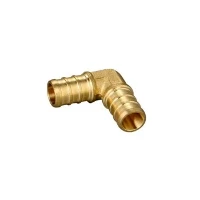
If you’ve ever worked with plumbing, industrial machinery, or automotive systems that rely on flow control, you know how frustrating it can be when a small component like a brass mini male to male check valve fails. As a supplier of these parts, I field at least a dozen questions a week from maintenance technicians, plant managers, and DIYers alike: Can this thing even be repaired, or do I need to toss it and buy a new one? The short answer is: It depends. Not every failing mini check valve is beyond saving, but there are important caveats to consider before grabbing your wrench and reaching for replacement parts. Let’s break this down, based on years of working with these valves and seeing what actually works in real-world settings.


First, let’s make sure we’re on the same page about exactly what a brass mini male to male check valve is, and how it’s supposed to work. These compact valves are designed to let fluid flow in only one direction—hence why you’ll often see them referred to as a brass one way check valve, brass one way non return check valve, or brass male x female spring check valve in product catalogs. The “mini” part means they’re small enough for tight spaces, typically used in applications like small water lines, pneumatic systems, fuel lines, or aquarium filters, where a larger valve would be overkill.
Most mini male to male check valves operate on a simple principle: inside the brass body, there’s a spring-loaded poppet (that’s the rubber or metal disc that sits over the inlet port). When pressure comes from the correct direction, the poppet lifts off the seat, letting fluid pass through. When flow reverses, the spring pushes the poppet back down against the seat, creating a tight seal to prevent backflow. That basic design is what makes them reliable—until something goes wrong with that poppet, the spring, or the seat.
So, what are the most common reasons a brass mini male to male check valve stops working? I’ve seen three main issues, and they fall into two categories: problems that can be repaired, and problems that mean it’s time for a new valve. Let’s start with the fixable ones.
The number one cause of failure in these valves is debris buildup. Over time, tiny particles from the fluid or line—rust chips, sediment, mineral deposits, even small bits of pipe sealant—can get stuck between the poppet and the seat. That creates a gap, which lets fluid flow backward, or can even keep the poppet partially open, leading to inconsistent flow. I recently had a customer from a small manufacturing plant call me panicking because their mini male to male check valves for their pneumatic control lines were leaking backward. When they pulled the valve apart, there was a tiny piece of metal shavings stuck right between the poppet and seat—they just blew it out with compressed air, wiped the parts clean, and put it back together, and it worked like new. That’s the kind of repair that’s totally doable, no specialized tools needed.
Another common fixable issue is a dirty or corroded spring. The spring in these mini valves is small, usually made of stainless steel or brass, and if it’s exposed to moisture or corrosive fluid over time, it can get gunked up or even slightly corroded, making it too weak to push the poppet back against the seat. Sometimes, all that’s needed is to remove the spring, soak it in white vinegar or a mild descaling solution to dissolve mineral buildup, scrub it gently with a small brush (an old toothbrush works great here), and then put it back in. I always tell customers to make sure the spring is the right size for their valve—mini male to male check valves have very specific spring lengths and tension, so using a different spring can mess up the seal.
Now, the issues that usually mean repair isn’t worth it, and you should invest in a new valve. The first is a damaged poppet or seat. The poppet is usually made of a soft material like EPDM rubber or silicone, and if it gets torn, punctured, or crushed, it can’t create a tight seal anymore. The seat, which is the part of the brass body that the poppet presses against, can also get scratched or pitted from debris, especially if the valve was opened and closed forcefully by reverse pressure. Since these parts are tiny and precision-made, it’s almost impossible to replace just the poppet or seat in a mini valve—you’d be hard-pressed to find a replacement part that’s the exact same size and tolerance, and even if you did, it might not create a good seal. In that case, it’s better to get a new valve, like a brass poppet check valve, which is designed for reliability and comes with properly matched poppets and seats.
The second non-repairable issue is a cracked or corroded brass body. Brass is a durable metal, but it’s not indestructible. If the valve is exposed to highly corrosive fluids (like strong acids or certain chemical solutions) for a long time, it can develop tiny cracks or pitting that can’t be repaired with standard tools. Mini male to male check valves are also often used in applications where they get bent or twisted while being installed—over time, that can crack the brass body, leading to leaks that even new seals can’t fix. If your valve has a cracked body, the only solution is replacement.
Before you go trying to repair your brass mini male to male check valve, there are a few important things to keep in mind to avoid making the problem worse. First, always turn off the fluid or gas line and relieve all pressure before you start disassembling the valve. This sounds obvious, but I’ve seen too many people get hurt because they didn’t release pressure first. Second, take photos of the valve before you take it apart. These mini parts are small, and it’s easy to mix up the order of the spring, poppet, and seat. I always tell customers to lay out the parts on a clean cloth in the same order they came out, so they don’t lose a tiny part or put something back wrong. Third, never use harsh chemicals to clean the inside of the brass body. While a mild descaling solution is fine for the spring and poppet, strong chemicals can corrode the brass body or damage the rubber poppet.
Let’s talk about a real example that happened last month, because it’s a perfect case study. A customer who runs a small hydroponic farm emailed me saying their mini male to male check valves for their nutrient lines were failing every few weeks. They thought they had to replace them constantly, but when I asked if they were disassembling and cleaning them, they said they never thought about it. I walked them through the process: shut off the water, disconnect the valve, take it apart, blow out the debris, soak the spring in vinegar for 15 minutes, scrub the poppet gently, and put it back together. That simple routine made their valves last three times longer, saving them hundreds of dollars a month. That’s the beauty of these mini valves—they’re simple, so most minor issues are easy to fix, as long as you don’t overcomplicate it.
Another thing to consider: not all mini check valves are designed to be disassembled. Some low-cost valves are crimped shut at the factory, meaning they can’t be taken apart at all. If that’s the case for your valve, don’t try to pry it open—you’ll almost certainly damage the body, and you’ll end up with a useless valve anyway. If your valve is crimped, the only option is to replace it, and when you do, I’d recommend going with a valve that’s designed to be serviceable, like the ones in the brass male x female spring check valve line, which have a threaded body that lets you take them apart for cleaning and maintenance.
There’s also the question of when repair vs. replacement makes financial sense. If you have a $5 mini valve that’s clogged with debris, it’s worth 10 minutes of your time to clean it, especially if you have to wait for a new valve to be delivered. But if you have a valve that costs $30 and has a cracked body, replacing it is cheaper than trying to repair it (which you probably can’t do anyway). And let’s not forget about reliability—even if you get a damaged valve working again, it’s going to be less consistent than a new one, which could lead to more problems down the line.
As a supplier, I always encourage customers to take a close look at their mini check valves regularly. A quick inspection every few months can catch debris buildup before it leads to failure, and a 10-minute cleaning is way cheaper than the downtime you’ll get if a valve fails unexpectedly. For example, in a pneumatic system, a failed check valve can cause a machine to shut down, which can cost hundreds of dollars an hour in lost production. Taking the time to maintain these small components is a smart investment.
If you do find that your brass mini male to male check valve is beyond repair, or you just want a reliable replacement that’s built to last, there are plenty of high-quality options out there. Whether you need a brass one way check valve for a small water line, a brass one way non return check valve for a fuel system, or a durable brass poppet check valve for industrial use, making sure you get a valve made with high-grade brass and precision-machined parts will save you money in the long run.
Before I wrap this up, let’s go over the key takeaways so you don’t have to remember everything: First, most common failures of brass mini male to male check valves are from debris buildup or dirty springs, both of which are easy to repair. Second, if your valve has a damaged poppet, seat, or cracked brass body, repair is not practical, and you should replace it. Third, always follow safety steps when working with pressurized lines, take photos of parts before disassembly, and never use harsh chemicals on rubber or brass. Fourth, regular cleaning and maintenance can extend the life of these valves significantly, saving you time and money.
If you’re not sure whether your valve can be repaired, or you need help finding the right replacement, feel free to reach out to our team for guidance. We work with all kinds of industries, from DIYers to large manufacturing plants, and we can help you find the right brass check valve for your specific application. Whether you need a compact mini male to male valve for a tight space or a heavy-duty version for industrial use, we have options that are built for reliability and easy maintenance.
At the end of the day, brass mini male to male check valves are small, but they play a big role in keeping systems running smoothly. Understanding when they can be repaired and when they need to be replaced is a skill that will save you frustration, downtime, and money. Don’t assume every failed valve needs to be tossed—with a little time and care, you might be able to bring it back to working order. And when it’s time for a replacement, choosing a high-quality valve from a reliable supplier will give you the peace of mind that your flow control is working as it should.
References
- Plumbing & Mechanical Magazine. (2022). "Maintaining Check Valves to Prevent System Failures." Industry Trends Report.
- Fluid Controls Institute. (2021). "Small Diameter Check Valves: Installation, Maintenance, and Failure Analysis." Technical Bulletin 412.
- ASTM International. (2020). "Standard Specification for Brass Valves for General Plumbing Applications." ASTM B124-20.
- Hydroponic Grower Magazine. (2023). "Flow Control Components for Nutrient Delivery Systems." Practical Maintenance Guide.