

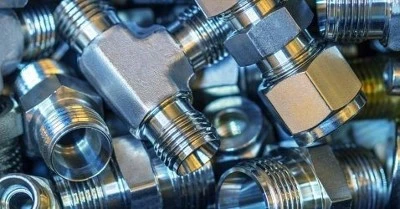
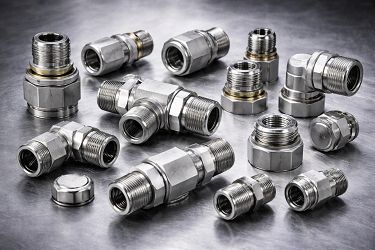
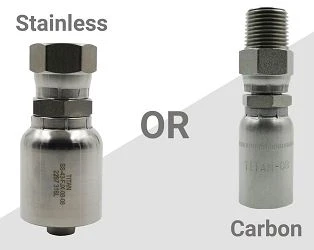
For hydraulic fitting buyers, choosing between steel hydraulic fittings and stainless steel hydraulic fittings is not simply a question of which material is stronger.
Both materials are widely used in hydraulic systems, but they are designed for different working environments.
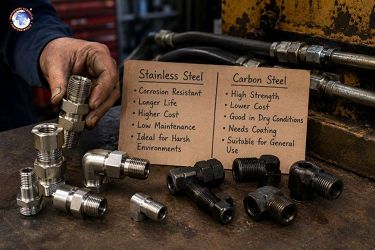
Steel fittings are commonly selected for high-pressure hydraulic equipment where strength and cost control are important.
Stainless steel fittings are selected when the system faces water, chemicals, salt spray, high humidity or strict cleanliness requirements.
HBFittings focuses on brass fitting manufacturing, including brass adapters, brass hose barb fittings, brass compression fittings and customized brass connection components. While brass is widely used in low and medium pressure fluid connections, understanding steel and stainless steel hydraulic fittings helps buyers choose the correct material for different hydraulic applications.
1. What Are Steel Hydraulic Fittings?
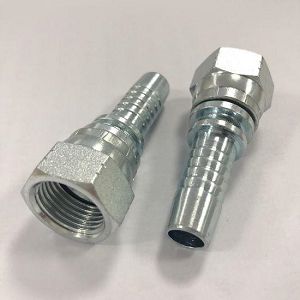
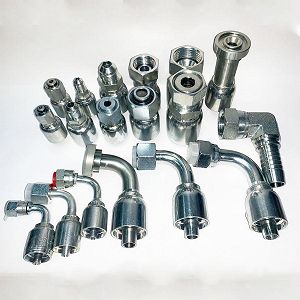
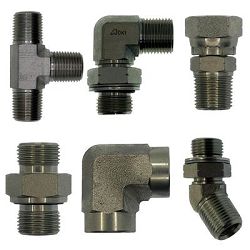
Steel hydraulic fittings are usually manufactured from:
- Carbon steel
- Alloy steel
They are the most common choice for general hydraulic systems because they provide:
- High mechanical strength
- Good pressure resistance
- Excellent fatigue performance
- Competitive cost
Typical surface treatments:
- Zinc plating
- Zinc-nickel plating
- Phosphate coating
These coatings improve corrosion resistance in normal industrial environments.
Common applications:
- Construction machinery
- Agricultural equipment
- Hydraulic presses
- Machine tools
- Industrial hydraulic systems
Examples:
- JIC hydraulic adapters
- SAE hydraulic fittings
- BSP hydraulic adapters
- Metric hydraulic fittings
2. What Are Stainless Steel Hydraulic Fittings?
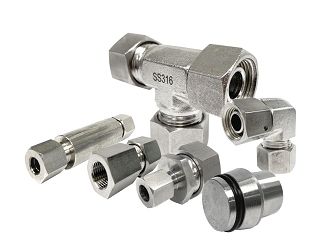
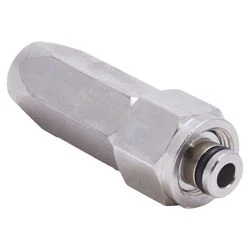
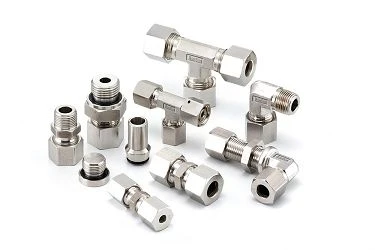
Stainless steel hydraulic fittings are manufactured mainly from:
- 304 stainless steel
- 316 stainless steel
- 316L stainless steel
The main advantage is corrosion resistance.
Stainless steel contains chromium, which forms a protective oxide layer on the surface and improves resistance against oxidation and corrosion.
Common applications:
- Marine hydraulic systems
- Offshore equipment
- Chemical processing equipment
- Food processing machinery
- Pharmaceutical equipment
- Cleanroom systems
316/316L stainless steel is often selected where chloride resistance and corrosion protection are important.
3. Steel vs Stainless Steel Hydraulic Fittings Comparison
|
Item |
Steel Hydraulic Fittings |
Stainless Steel Hydraulic Fittings |
|
Main material |
Carbon steel / alloy steel |
SS304 / SS316 / SS316L |
|
Strength |
Excellent |
Excellent |
|
Corrosion resistance |
Depends on coating |
Excellent |
|
Pressure capability |
High |
High |
|
Cost |
Lower |
Higher |
|
Surface treatment |
Required |
Usually no coating |
|
Marine environment |
Not recommended |
Recommended |
|
Chemical resistance |
Limited |
Excellent |
|
Maintenance requirement |
Higher in harsh environments |
Lower |
|
Common market |
Industrial hydraulics |
Corrosive environments |
4. Strength and Pressure Performance
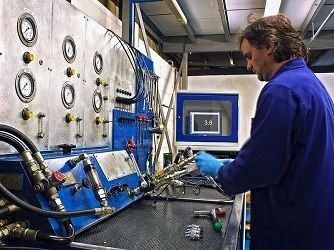
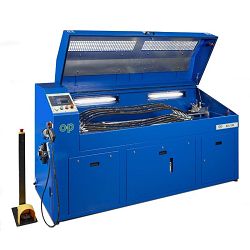
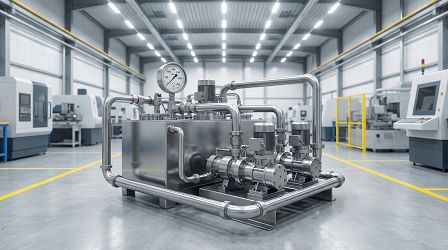
Hydraulic systems depend heavily on fitting strength.
Steel Hydraulic Fittings
Advantages:
- High tensile strength
- Good impact resistance
- Strong fatigue performance
- Suitable for repeated pressure cycles
Common applications:
- Excavators
- Loaders
- Hydraulic cylinders
- Industrial presses
Steel fittings are widely used in hydraulic systems because they provide a good balance between strength and manufacturing cost.
Stainless Steel Hydraulic Fittings
Advantages:
- High strength
- Stable performance under corrosion
- Suitable for demanding environments
Applications:
- Offshore hydraulic equipment
- Chemical machinery
- Marine systems
Stainless steel is not always selected because it has higher strength; it is usually selected because the environment requires corrosion resistance.
5. Corrosion Resistance Comparison
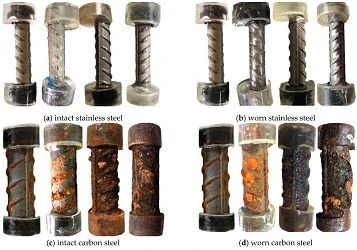
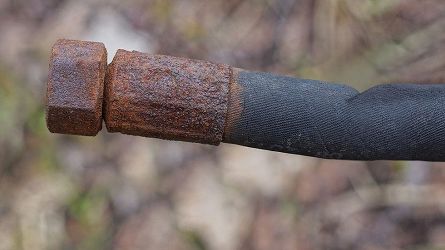
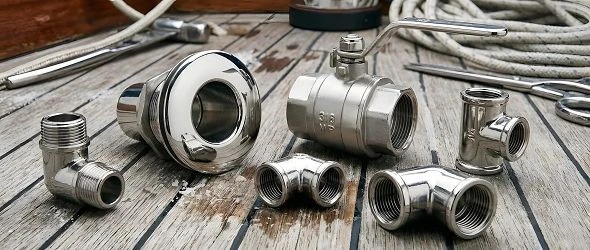
This is the biggest difference between steel and stainless steel.
Steel Fittings
Steel depends on surface protection.
Protection methods:
- Zinc plating
- Zinc-nickel coating
- Anti-corrosion treatment
Suitable environments:
- Indoor machinery
- Normal industrial workshops
- Hydraulic oil systems
Limitations:
- Salt spray
- Marine atmosphere
- Chemical exposure
- Frequent washing
When coating damage occurs, exposed steel can begin to rust.
Stainless Steel Fittings
Advantages:
- Natural corrosion resistance
- Better resistance to moisture
- Better chemical compatibility
Suitable environments:
- Marine
- Offshore
- Food processing
- Chemical plants
- Outdoor equipment
6. Material Cost Difference
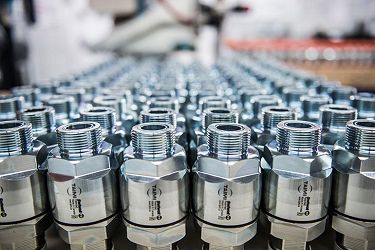
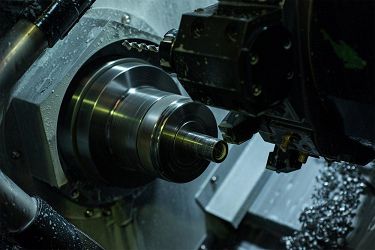
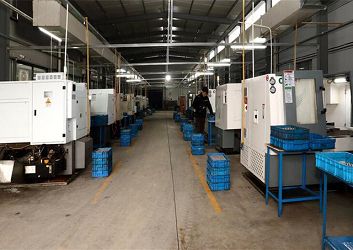
Cost is often the deciding factor for large hydraulic projects.
Steel Fittings
Advantages:
- Lower raw material cost
- Easier machining
- Large production availability
Suitable for:
- Standard hydraulic equipment
- OEM machinery
- Large quantity orders
Stainless Steel Fittings
Higher cost because of:
- More expensive raw material
- More difficult machining
- Longer processing time
However, stainless steel can reduce:
- Replacement frequency
- Corrosion-related downtime
- Maintenance cost
7. Thread and Connection Types
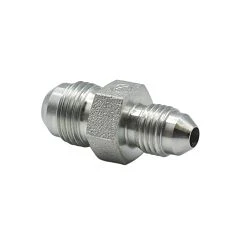
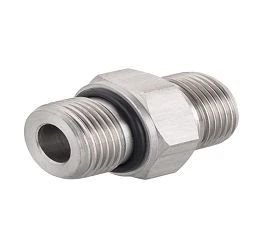
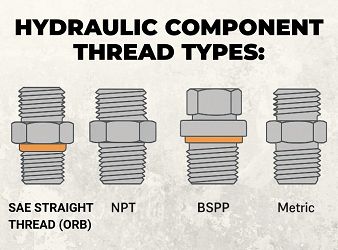
Both steel and stainless steel fittings can be produced with similar connection standards.
Common types:
JIC
- 37° flare connection
- Hydraulic hose systems
SAE ORB
- O-ring sealing
- Hydraulic valve ports
BSP
- BSPP
- BSPT
NPT
- Tapered thread connection
Metric Hydraulic Fittings
- European hydraulic equipment
The material does not determine the thread standard. The equipment design determines the connection type.
8. Application Comparison
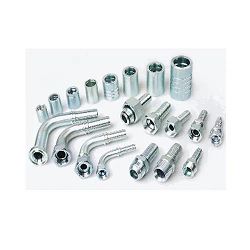
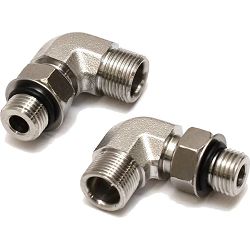
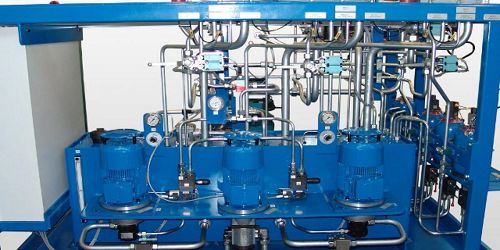
Steel Hydraulic Fitting Applications
Construction Machinery
- Excavators
- Bulldozers
- Cranes
Industrial Equipment
- Hydraulic presses
- CNC machines
- Injection molding machines
Agriculture
- Tractors
- Harvesting equipment
Stainless Steel Hydraulic Fitting Applications
Marine Industry
- Ship hydraulic systems
- Offshore platforms
Chemical Industry
- Chemical pumps
- Processing equipment
Food & Pharmaceutical
- Hygienic equipment
- Cleaning environments
9. Steel vs Stainless Steel Fittings in Different Environments
|
Environment |
Recommended Material |
|
Indoor hydraulic machine |
Steel |
|
Construction equipment |
Steel |
|
Agricultural machinery |
Steel |
|
Dry industrial workshop |
Steel |
|
Coastal area |
Stainless steel |
|
Marine equipment |
Stainless steel |
|
Chemical factory |
Stainless steel |
|
Food processing |
Stainless steel |
|
High humidity environment |
Stainless steel |
10. Steel vs Stainless Steel Hydraulic Fitting Maintenance
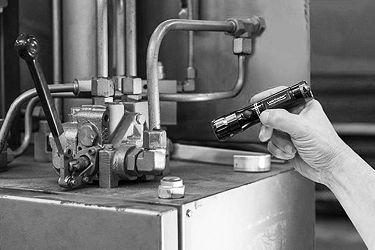
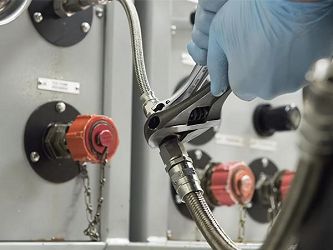
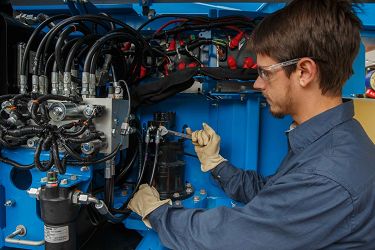
Steel Fittings Maintenance
Need attention to:
- Surface coating condition
- Rust inspection
- Thread protection
Recommended:
- Regular inspection
- Avoid damaged coating
- Replace corroded fittings
Stainless Steel Fittings Maintenance
Advantages:
- Less corrosion maintenance
- Longer outdoor service life
Attention:
- Correct installation torque
- Avoid thread galling
- Use suitable assembly lubricant when required
Stainless steel threads can experience galling during assembly, especially when stainless components contact each other.
11. Brass vs Steel vs Stainless Steel Hydraulic Fittings
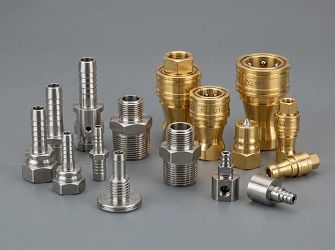
|
Material |
Best Application |
Main Advantage |
|
Brass |
Low/medium pressure fluid connections |
Machinability and corrosion resistance |
|
Steel |
General hydraulic systems |
Strength and cost efficiency |
|
Stainless Steel |
Corrosive environments |
Corrosion resistance |
HBFittings specializes in brass fitting solutions, including:
- Brass adapters
- Brass hose barb fittings
- Brass compression fittings
- Brass threaded fittings
Brass is especially suitable for:
- Water systems
- Air systems
- Instrumentation
- General fluid connections
rather than heavy-duty high-pressure hydraulic applications.
12. How to Choose Steel or Stainless Steel Hydraulic Fittings?
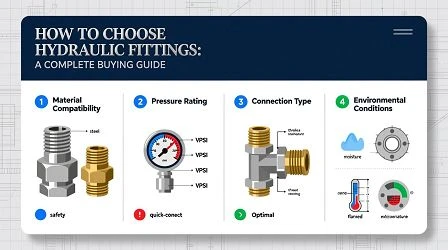
Before selecting material, check:
Working Environment
Ask:
- Indoor or outdoor?
- Moisture exposure?
- Salt spray?
- Chemical contact?
Hydraulic Pressure
Confirm:
- Maximum working pressure
- Pressure spikes
- Temperature
Fluid Type
Consider:
- Hydraulic oil
- Water glycol
- Chemical liquid
- Special fluids
Maintenance Requirement
Choose stainless steel when:
- Equipment shutdown is expensive
- Corrosion replacement is difficult
- Choose steel when:
- Cost control is important
- Environment is normal
13. HBFittings Connection Solutions
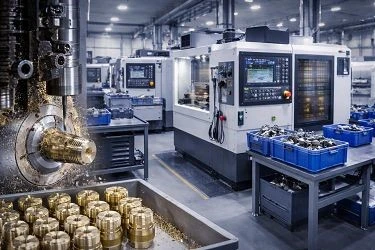
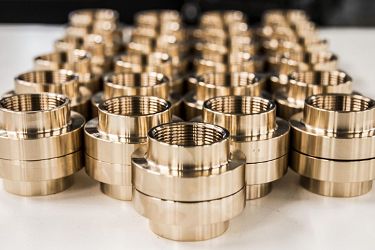
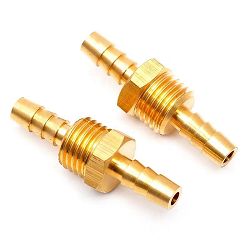
HBFittings provides customized brass fitting solutions for different industries.
Product range:
Brass Adapters
- Straight adapters
- Reducing adapters
- Thread adapters
Brass Hose Barb Fittings
- Hose connectors
- Elbows
- Tees
Brass Compression Fittings
- Tube fittings
- Ferrule fittings
- Connection accessories
OEM Custom Fittings
Support:
- Drawing customization
- Thread customization
- Size customization
- Surface finishing
14. Final Selection Table
|
Requirement |
Recommended Choice |
|
Standard hydraulic machinery |
Steel |
|
Large quantity OEM project |
Steel |
|
High pressure hydraulic equipment |
Steel / Stainless steel depending on environment |
|
Marine equipment |
Stainless steel |
|
Chemical environment |
Stainless steel |
|
Food equipment |
Stainless steel |
|
Outdoor humid environment |
Stainless steel |
|
Low pressure fluid connection |
Brass |
Conclusion
Steel and stainless steel hydraulic fittings are both reliable choices, but they solve different problems.
Steel hydraulic fittings focus on strength, pressure performance and cost efficiency.
Stainless steel hydraulic fittings focus on corrosion resistance, cleanliness and long service life in demanding environments.
For HBFittings customers, material selection should start from the actual working conditions:
- Pressure level
- Fluid type
- Installation environment
- Maintenance requirements
- Project budget
The most expensive material is not always the right choice. The correct fitting is the one that matches the hydraulic system requirements.


