

In brass fitting procurement, compression fittings and threaded fittings are two common connection methods used for water, air, oil, gas and industrial fluid systems.
Although both are mechanical connections, their working principles are different.
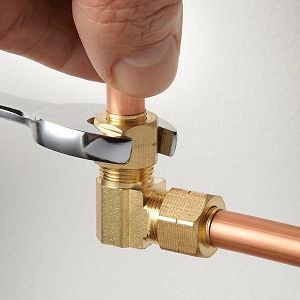
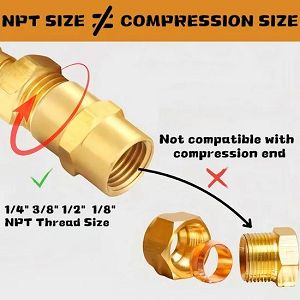
A compression fitting seals by compressing a ferrule or sleeve around the tube. A threaded fitting creates a connection by screwing male and female threads together with sealing materials such as PTFE tape, sealant or thread compound.
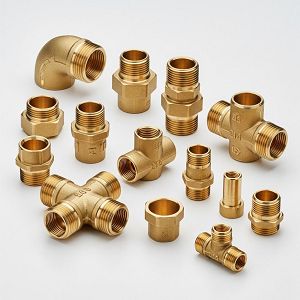
HBFittings supplies a wide range of brass connection solutions, including:
- Brass compression fittings
- Brass pipe fittings
- Brass threaded adapters
- Brass elbows
- Brass tees
- Brass hose barb fittings
- Brass hydraulic fittings
The company provides different connection structures, materials and thread standards according to application requirements.
1. Basic Difference Between Compression and Threaded Fittings
Compression Fittings
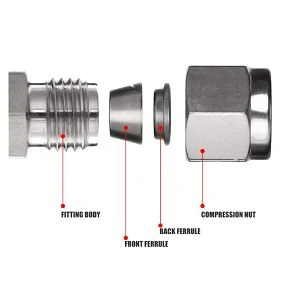
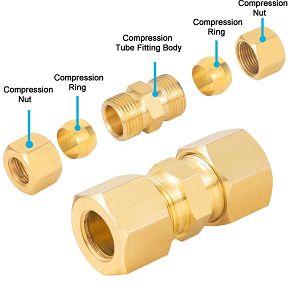
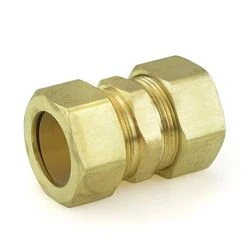
A compression fitting normally consists of:
- Fitting body
- Compression nut
- Ferrule (compression ring)
The tube passes through the ferrule. When the nut is tightened, the ferrule is compressed between the nut and fitting body.
The sealing comes from:
Ferrule deformation + tube gripping + metal-to-metal sealing
Common applications:
- Copper tubing
- Aluminum tubing
- Plastic tubing with inserts
- Instrumentation systems
- Pneumatic systems
- Plumbing connections
Compression fittings are widely used because they do not require welding, soldering or flaring operations.
Threaded Fittings
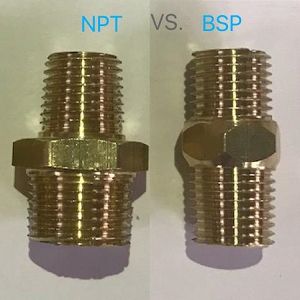
Threaded fittings use screw connections.
Common thread types:
- NPT
- BSP
- BSPT
- Metric thread
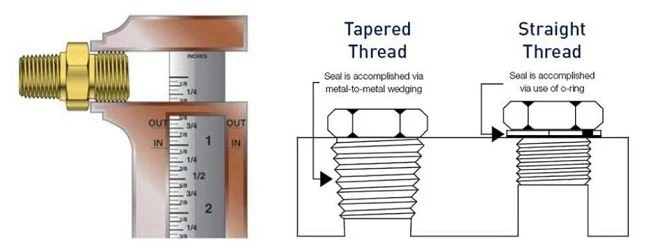
The sealing method depends on the thread design:
Tapered Thread
Examples:
- NPT
- BSPT
The thread itself creates a tighter seal when tightened.
Straight Thread
Usually requires:
- O-ring
- Washer
- Gasket
- Sealant
Common products:
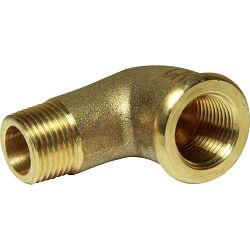
- Brass elbow
- Brass tee
- Brass coupling
- Brass adapter
- Brass bushing
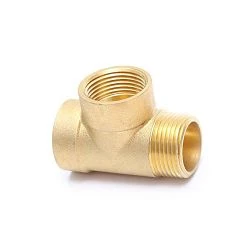
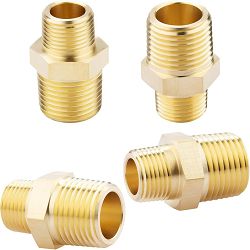
Threaded brass fittings are commonly used in residential plumbing, industrial piping and equipment connections.
2. Compression Fittings vs Threaded Fittings Comparison Table
|
Item |
Compression Fittings |
Threaded Fittings |
|
Connection method |
Ferrule compression |
Screw thread connection |
|
Main sealing part |
Ferrule/sleeve |
Thread + sealant/O-ring |
|
Installation tools |
Wrench |
Wrench |
|
Pipe preparation |
Cutting and deburring |
Threaded pipe or matching threaded fitting |
|
Installation speed |
Medium |
Medium |
|
Disassembly |
Easy |
Easy |
|
Vibration resistance |
Good when correctly installed |
Depends on thread locking |
|
Pressure capability |
Medium applications |
Medium to high depending on design |
|
Tube connection |
Excellent |
Requires threaded pipe/tube adapter |
|
Maintenance |
Convenient |
Convenient |
|
Best application |
Tubing systems |
Pipe systems |
3. Connection Structure Difference
Compression Connection
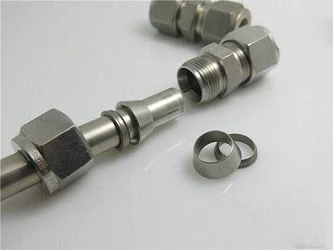
The fitting does not need the tube to have threads.
Example:
Copper tube → Ferrule → Nut → Brass body
Advantages:
- No pipe threading required
- Suitable for thin-wall tubing
- Good for small diameter tubing
This makes compression fittings popular in:
- Water treatment equipment
- Pneumatic lines
- Instrument panels
- Refrigeration systems
Threaded Connection
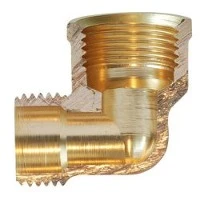
The pipe or fitting must have matching threads.
Example:
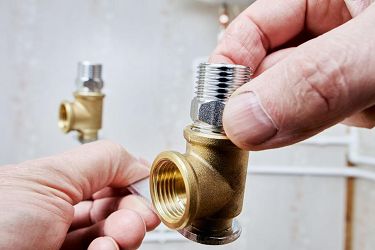
Male threaded adapter → Female threaded port
Advantages:
- Strong mechanical engagement
- Suitable for larger pipe sizes
- Compatible with valves, pumps and equipment ports
Typical HBFittings threaded products include:
- Male adapters
- Female adapters
- Pipe elbows
- Tees
- Bushings
4. Installation Process Comparison
Compression Fitting Installation
Steps:
- Cut tube square
- Remove burrs
- Place nut and ferrule
- Insert tube into fitting body
- Tighten nut
- Check leakage
No:
- Welding
- Soldering
- Pipe threading
required.
Threaded Fitting Installation
Steps:
- Confirm thread standard
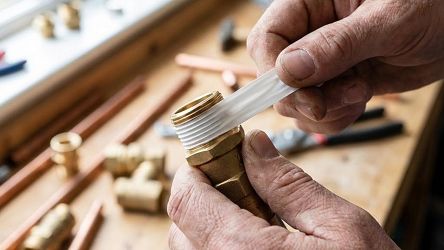
- Clean threads
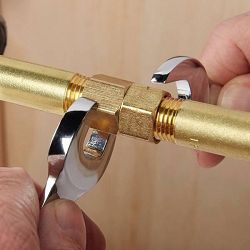
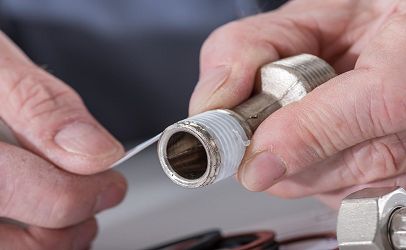
- Apply PTFE tape or sealant
- Screw fitting together
- Tighten to correct torque
- Pressure test
Important points:
- Wrong thread type may cause leakage
- Excessive tightening may damage threads
- Sealant selection affects performance
5. Pressure Performance Comparison
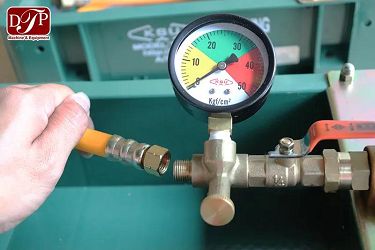
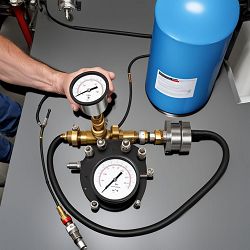
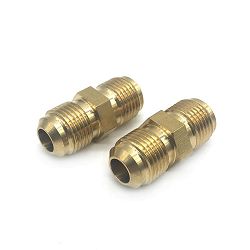
Pressure performance depends on:
- Brass alloy
- Fitting design
- Size
- Wall thickness
- Temperature
- Installation quality
It is incorrect to assume all threaded fittings have higher pressure ratings than compression fittings.
A well-designed compression fitting can perform reliably in many fluid systems.
A threaded fitting with improper sealing can also leak.
HBFittings specifies pressure ratings according to individual product designs rather than applying one rating to all brass fittings.
For example:
- Brass hose barb fittings
- Brass compression fittings
- Brass pipe fittings
have different working conditions and specifications.
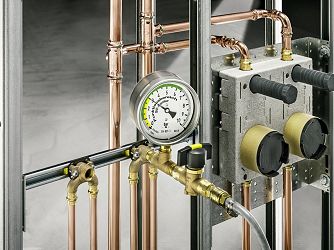
6. Leakage Risk Comparison

Compression Fittings
Common leakage causes:
- Ferrule installed incorrectly
- Tube not fully inserted
- Excessive tightening
- Damaged tube surface
Advantages:
- Visible connection
- Easy inspection
- Easy adjustment
Threaded Fittings
Common leakage causes:
- Incorrect thread standard
- Insufficient sealing tape
- Damaged threads
- Over tightening
Advantages:
- Strong mechanical connection
- Suitable for permanent piping systems
7. Material Selection: Brass, Lead-Free Brass and DZR Brass
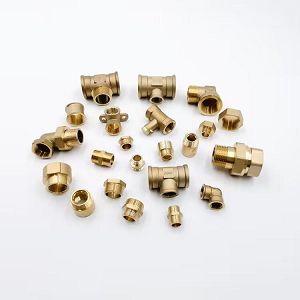
The connection method is only one part of fitting selection.
The material also affects performance.
Standard Brass
Common applications:
- Air systems
- Industrial equipment
- General plumbing
Advantages:
- Good machinability
- Cost-effective
- Easy processing
Lead-Free Brass
Recommended for:
- Drinking water systems
- Residential plumbing
- Commercial water supply
Advantages:
- Low lead content
- Suitable for regulated water applications
DZR Brass
Recommended for:
- Hot water
- Aggressive water chemistry
- Long service life applications
Advantages:
- Better resistance to dezincification
8. Compression Fittings Applications
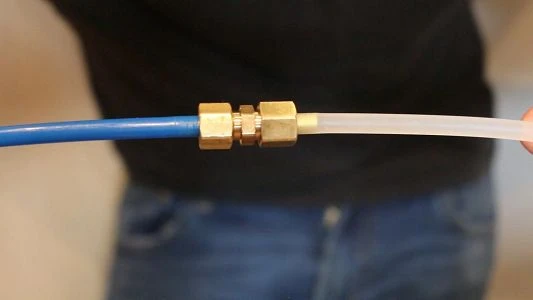
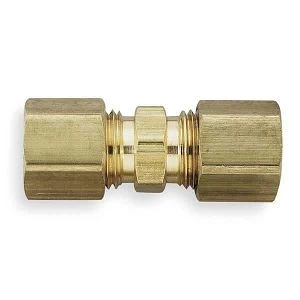
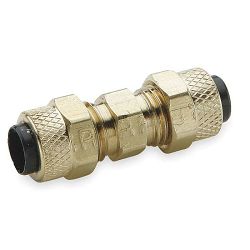
Compression fittings are suitable for:
Residential Plumbing
Examples:
- Water heater connections
- Refrigerator water lines
- Small tubing connections
Instrumentation
Examples:
- Pressure gauges
- Control equipment
- Measurement systems
Pneumatic Systems
Examples:
- Air tubing
- Control lines
- Automation equipment
Water Treatment
Examples:
- Filter systems
- RO equipment
- Small tubing connections
9. Threaded Fittings Applications
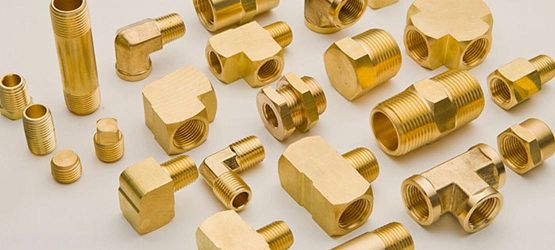
Threaded fittings are commonly selected for:
Residential Plumbing
Examples:
- Water supply pipes
- Valves
- Faucets
- Fixtures
Commercial Buildings
Examples:
- Water distribution
- HVAC systems
- Mechanical rooms
Industrial Systems
Examples:
- Pumps
- Compressors
- Hydraulic equipment
- Process pipelines
Threaded brass fittings are commonly used for transporting water, air and gases in residential and industrial systems.
10. Tube vs Pipe Connection
This is one of the most important selection factors.
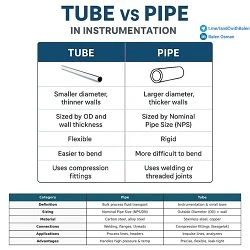
Compression Fittings
Better suited for:
- Tubes
- Thin-wall tubing
- Small diameter lines
Example:
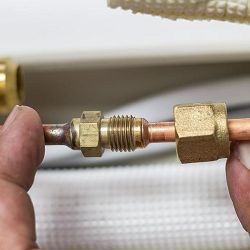
Copper tube + brass compression fitting
Threaded Fittings
Better suited for:
- Pipes
- Valves
- Equipment ports
Example:
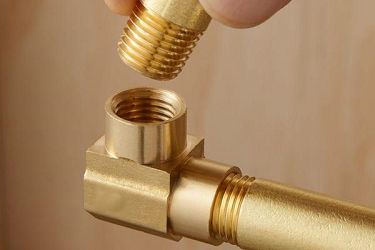
Steel pipe + brass threaded adapter
11. Maintenance and Replacement
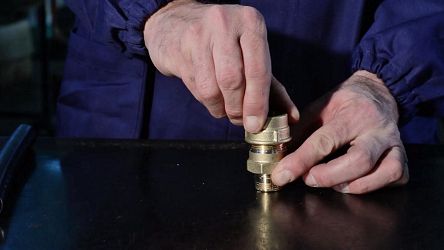
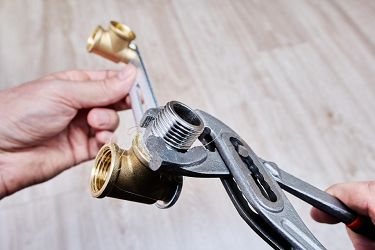
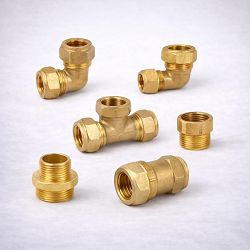
Both systems allow maintenance.
Compression Fittings
Advantages:
- Easy tube replacement
- No pipe cutting in many cases
- Suitable for service connections
Threaded Fittings
Advantages:
- Easy component replacement
- Compatible with standard valves and accessories
Common maintenance applications:
- Pumps
- Filters
- Valves
- Equipment connections
12. Vibration Resistance
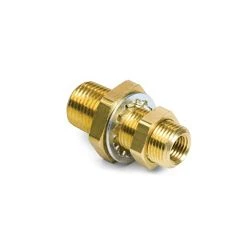
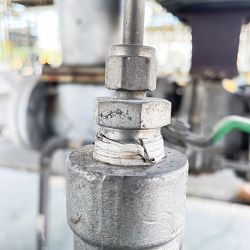
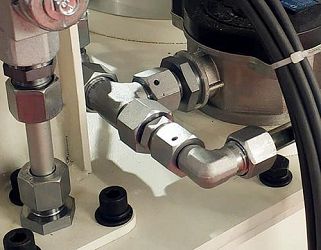
For vibration environments:
Compression
Advantages:
- Tube gripping action
- Good for instrumentation tubing
Limitations:
- Excessive vibration may require special designs
Threaded
Advantages:
- Strong mechanical engagement
Requirements:
- Proper tightening
- Thread locking when necessary
- Correct sealing method
13. Cost Comparison
|
Factor |
Compression Fittings |
Threaded Fittings |
|
Material cost |
Medium |
Medium |
|
Installation labor |
Medium |
Medium |
|
Pipe preparation |
Lower |
Higher if threading required |
|
Tool requirement |
Lower |
Medium |
|
Maintenance cost |
Low |
Low |
|
Large pipeline suitability |
Limited |
Better |
14. Which One Should You Choose?
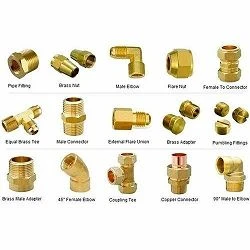
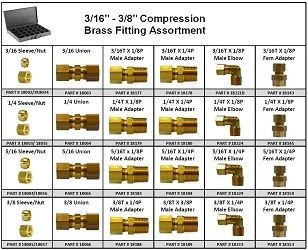
Choose Compression Fittings When:
✓ Connecting copper or tubing systems
✓ No pipe threading is available
✓ Fast installation is required
✓ The connection needs frequent maintenance
✓ Working with instrumentation or pneumatic tubing
Typical HBFittings products:
- Brass compression elbows
- Brass compression tees
- Brass compression adapters
Choose Threaded Fittings When:
✓ Connecting pipes or equipment ports
✓ Larger pipe sizes are involved
✓ Valves and pumps need connection
✓ A standard pipe system is used
✓ Strong mechanical connection is required
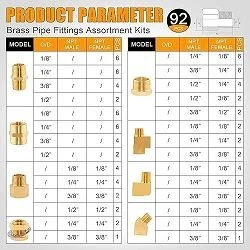
Typical HBFittings products:
- Brass threaded elbows
- Brass threaded adapters
- Brass tees
- Brass bushings
15. HBFittings Brass Fitting Solutions
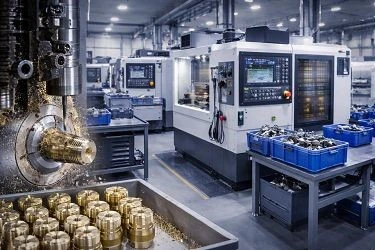
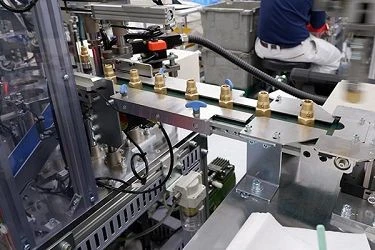
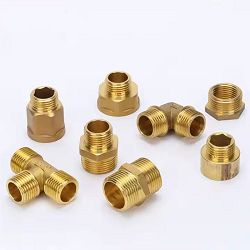
HBFittings provides brass fittings for different connection requirements, including:
Compression Fitting Series
- Brass compression elbow
- Brass compression tee
- Brass compression adapter
- Tube fittings
Threaded Fitting Series
- Brass pipe elbow
- Brass tee
- Brass coupling
- Brass adapter
- Brass bushing
Material options include:
- Brass
- Lead-free brass
- DZR brass
- Stainless steel options
The company supports OEM customization according to:
- Drawing
- Material requirement
- Thread standard
- Application environment
16. Buyer Checklist Before Ordering
Before selecting compression or threaded fittings, confirm:
Connection Type
- Tube or pipe?
- Compression or threaded?
Thread Standard
- NPT
- BSP
- BSPT
- Metric
Working Conditions
- Pressure
- Temperature
- Fluid type
Material
- Standard brass
- Lead-free brass
- DZR brass
Application
- Drinking water
- HVAC
- Pneumatic
- Industrial fluid
Final Comparison
|
Requirement |
Better Choice |
|
Copper tube connection |
Compression |
|
Instrumentation |
Compression |
|
Pneumatic tubing |
Compression |
|
Large pipe system |
Threaded |
|
Pump connection |
Threaded |
|
Valve connection |
Threaded |
|
Easy tube installation |
Compression |
|
Standard plumbing system |
Threaded |
|
Frequent maintenance |
Both |
|
Drinking water |
Both (select approved material) |
Conclusion
Compression fittings and threaded fittings are both reliable brass connection solutions, but they are designed for different installation conditions.
Compression fittings are mainly designed for tubing systems where a ferrule creates the seal without pipe threading.
Threaded fittings are designed for pipe systems where mechanical threads connect components such as valves, pumps and pipelines.
For HBFittings customers, the selection should start with the system structure:
- Tube connection → Brass compression fitting
- Pipe connection → Brass threaded fitting
- Drinking water → Lead-free brass option
- Corrosion-sensitive water → DZR brass option
Industrial equipment → Select according to pressure, temperature and media
The correct fitting is determined by the complete application, not only the connection style.


