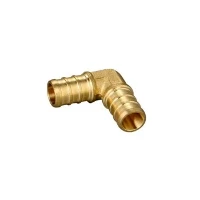
Hey there! As a supplier of Stainless Steel O Type Syphon tubes, I often get asked about the creep resistance of these nifty little components. So, I thought I'd take a moment to break down what creep resistance is, why it's important for Stainless Steel O Type Syphon tubes, and how it affects their performance in real-world applications.
What is Creep?
First things first, let's talk about creep. Creep is a phenomenon that occurs when a material is subjected to a constant load or stress over an extended period of time at elevated temperatures. Under these conditions, the material gradually deforms or "creeps" over time, even if the stress is below its yield strength. This deformation can be permanent and can lead to a loss of dimensional stability, reduced mechanical properties, and ultimately, failure of the component.
Understanding Creep Resistance
Creep resistance, then, is a material's ability to resist this gradual deformation under constant load and elevated temperatures. It's an important property to consider when selecting materials for applications where components are exposed to high temperatures and long-term stress, such as in power generation, chemical processing, and aerospace industries.
Why Creep Resistance Matters for Stainless Steel O Type Syphon Tubes
Stainless Steel O Type Syphon tubes are commonly used in pressure gauge applications to protect the gauge from high-temperature media and to prevent the transmission of pressure surges. These tubes are often exposed to elevated temperatures and constant pressure, making creep resistance a critical factor in their performance and reliability.
If a Stainless Steel O Type Syphon tube has poor creep resistance, it may experience significant deformation over time, leading to changes in its shape and dimensions. This can affect the accuracy of the pressure gauge readings and may even cause the tube to fail, resulting in costly downtime and potential safety hazards.
Factors Affecting Creep Resistance in Stainless Steel O Type Syphon Tubes
Several factors can influence the creep resistance of Stainless Steel O Type Syphon tubes, including:
- Material Composition: The type and amount of alloying elements in the stainless steel can have a significant impact on its creep resistance. For example, adding elements such as chromium, nickel, and molybdenum can improve the material's strength and resistance to creep at high temperatures.
- Microstructure: The microstructure of the stainless steel, including the grain size and distribution of phases, can also affect its creep resistance. A fine-grained microstructure generally provides better creep resistance than a coarse-grained one.
- Temperature and Stress: The temperature and stress levels to which the tube is exposed play a crucial role in determining its creep behavior. Higher temperatures and stresses can accelerate the creep process and reduce the tube's creep resistance.
- Time: Creep is a time-dependent phenomenon, meaning that the longer the tube is subjected to a constant load and elevated temperatures, the more likely it is to experience significant deformation.
How to Evaluate Creep Resistance
There are several methods available for evaluating the creep resistance of Stainless Steel O Type Syphon tubes, including:


- Creep Testing: Creep testing involves subjecting a specimen of the tube to a constant load at a specific temperature for an extended period of time and measuring the resulting deformation over time. This method provides direct information about the tube's creep behavior and can be used to determine its creep strength and rupture time.
- Microstructural Analysis: Microstructural analysis can be used to examine the grain size, phase distribution, and other microstructural features of the tube. This information can provide insights into the tube's creep resistance and can help identify any potential issues or areas for improvement.
- Finite Element Analysis (FEA): FEA is a computer-based simulation technique that can be used to model the behavior of the tube under different loading and temperature conditions. This method can provide detailed information about the stress and strain distribution within the tube and can help predict its creep behavior and failure modes.
Our Stainless Steel O Type Syphon Tubes
At our company, we take pride in offering high-quality Stainless Steel O Type Syphon tubes with excellent creep resistance. Our tubes are made from premium-grade stainless steel alloys that are specifically designed to withstand high temperatures and long-term stress. We use advanced manufacturing processes and quality control measures to ensure that each tube meets or exceeds the highest industry standards.
In addition to our Stainless Steel O Type Syphon tubes, we also offer a wide range of other pressure gauge accessories, including Carbon Steel Q Or U Shape Syphon and Stainless Steel Pigtail Syphone Pipe. These products are also designed to provide reliable performance and long service life in a variety of applications.
Contact Us for More Information
If you're in the market for high-quality Stainless Steel O Type Syphon tubes or other pressure gauge accessories, we'd love to hear from you. Contact us today to learn more about our products, request a quote, or to discuss your specific requirements. We're committed to providing our customers with the best possible products and services, and we look forward to helping you find the right solutions for your needs.
References
- ASM Handbook Volume 2: Properties and Selection: Nonferrous Alloys and Special-Purpose Materials
- Metals Handbook: Desk Edition, 2nd Edition
- Callister, W.D. (2007). Materials Science and Engineering: An Introduction. Wiley.