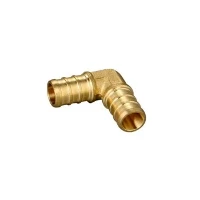
Are there any limitations to using a brass self - sealing test plug? Well, let me tell you, as a supplier of Brass Self Sealing Test Plug, I've heard a lot of questions about these little gadgets. And yeah, they're great, but like anything, they've got their limitations.
First off, let's talk about what a brass self - sealing test plug is. It's a handy tool used in a bunch of industries to seal off pipes, valves, and other pressure - testing equipment. You stick it in, and it creates a tight seal, which means you can test the pressure without any leaks. Pretty cool, right?
One major limitation is the material itself: brass. Brass is a great metal, but it's not indestructible. It can be prone to corrosion, especially in environments with high levels of humidity or exposure to certain chemicals. For example, if you're using these plugs in a maritime setting where they're constantly around saltwater, you'll start to see some corrosion over time. This not only affects the appearance of the plug but can also compromise its sealing ability. If the seal isn't airtight, your pressure test won't be accurate.
Another thing to consider is the temperature range. Brass self - sealing test plugs work well in a normal temperature range, but extreme temperatures can be a problem. In very high - temperature environments, the brass can expand. If the expansion isn't accounted for, it can cause the plug to become loose, and you'll end up with a leak. On the flip side, in extremely cold temperatures, the brass can contract, which might also affect the seal. So, if you're working in an industrial setting with fluctuating temperatures, you've got to be careful.
Pressure limitations are also a big deal. These plugs are designed to handle a certain amount of pressure. If you go over that limit, the self - sealing mechanism might not work properly. The seal could break, and you'll have a mess on your hands. It's crucial to know the pressure rating of the Brass Self Sealing Test Plug you're using and make sure it matches the requirements of your test.
When it comes to compatibility, these plugs might not fit every type of equipment. The threading on the plug has to match the threading on the pipe or valve you're using it with. If the threading doesn't line up, you won't be able to get a proper seal. And sometimes, finding the exact right match can be a hassle. You might have to order custom - made plugs, which can be more expensive and take longer to get.
Now, I know what you're thinking. With all these limitations, why would anyone use a brass self - sealing test plug? Well, despite these drawbacks, they're still a popular choice for a lot of reasons. They're relatively inexpensive compared to some other types of test plugs, like Stainless Steel 316 Test Plug. They're also easy to install and remove, which saves time and effort.
If the corrosion is a concern, you can take some steps to mitigate it. You can apply a corrosion - resistant coating to the plug. This will add an extra layer of protection and extend the life of the plug. For temperature and pressure issues, you just need to do your homework. Make sure you choose the right plug for your specific conditions.


There are also some alternatives to brass self - sealing test plugs. The Stainless Steel 316 Test Plug, for example, is more resistant to corrosion. It can handle a wider range of temperatures and pressures. But it's also more expensive. The Long Type Brass Blinder Test Plug is another option. It has a different design that might be better suited for some applications. And the Dzr Brass Pressure Test Plug is made from dezincification - resistant brass, which is less prone to corrosion.
In conclusion, while there are limitations to using a brass self - sealing test plug, they still have their place in the industry. They're a cost - effective and practical solution for many pressure - testing needs. But it's important to be aware of their limitations and take the necessary precautions. If you're not sure which type of test plug is right for your application, don't hesitate to reach out. We can help you figure out the best option based on your specific requirements. Whether you're dealing with a small - scale project or a large - scale industrial operation, we've got the expertise to guide you. So, if you're in the market for test plugs, or if you just have more questions, feel free to get in touch. Let's talk about how we can help you get the job done right.
References
- Industry standards and best practices for pressure-testing equipment
- Manufacturer specifications for brass and related test plugs