

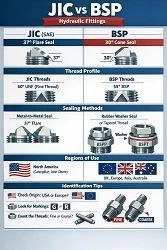
In hydraulic systems, thread compatibility determines whether a fitting can be installed correctly and maintain a reliable seal.
BSP and Metric are two widely used hydraulic fitting standards. They are often found on pumps, valves, cylinders, hydraulic machinery and fluid control equipment.
Although both systems are common in international markets, they are not interchangeable.
The main differences are found in:
- Thread diameter
- Thread pitch
- Thread angle
- Sealing method
- Connection structure
- Application region
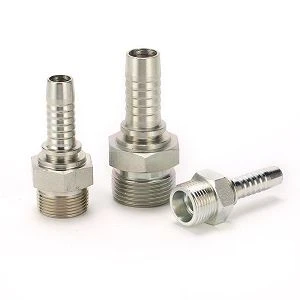
HBFittings provides brass fitting solutions for different connection requirements, including brass adapters, hose barb fittings, compression fittings and threaded fittings. Its product range supports common thread standards such as BSP, BSPT, BSPP, Metric and customized thread specifications for OEM applications.
1. What Are BSP Hydraulic Fittings?
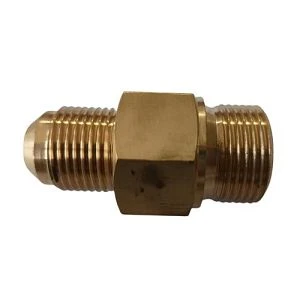
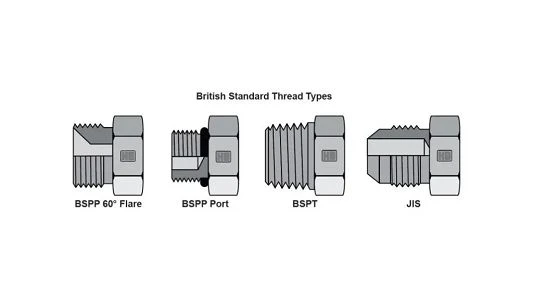
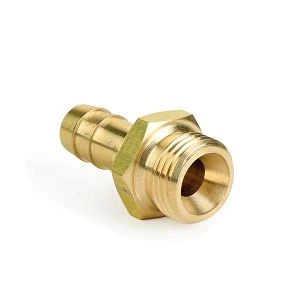
BSP means British Standard Pipe.
It is one of the most widely used thread systems in hydraulic and pneumatic equipment outside North America.
BSP fittings include two main categories:
BSPP (G Thread)
BSPP means British Standard Pipe Parallel.
Features:
- Parallel thread
- 55° thread angle
- ISO 228 standard
- Requires sealing through O-ring, washer or sealing face
Common applications:
- Hydraulic ports
- Pneumatic equipment
- Valves
- Pumps
- Pressure gauges
BSPT (R Thread)
BSPT means British Standard Pipe Tapered.
Features:
- Tapered thread
- 55° thread angle
- ISO 7-1 standard
Thread itself contributes to sealing
Common applications:
- Hydraulic adapters
- Pipe connections
- Industrial fluid systems
BSPP and BSPT are different connection systems and should be specified separately during purchasing.
2. What Are Metric Hydraulic Fittings?
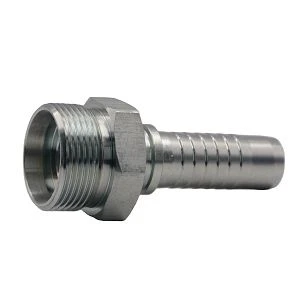
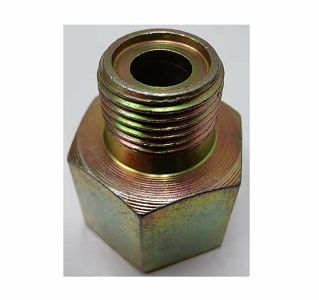
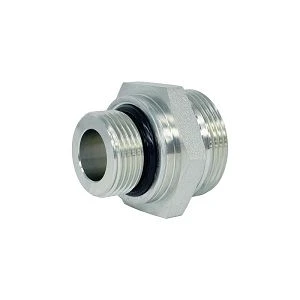
Metric hydraulic fittings are based on metric dimensions and are commonly used in:
- European hydraulic equipment
- Construction machinery
- Automotive hydraulic systems
- Industrial machinery
Common metric hydraulic standards include:
- DIN 2353
- ISO 8434-1
- ISO 6149
Typical metric connections include:
- Metric male thread
- Metric female thread
- 24° cone fitting
- O-ring face seal
- Cutting ring connection
Metric hydraulic fittings are especially common in machinery designed according to European DIN standards.
3. BSP vs Metric Hydraulic Fittings Comparison Table
|
Item |
BSP Hydraulic Fittings |
Metric Hydraulic Fittings |
|
Thread system |
Inch-based pipe thread |
Metric thread |
|
Thread measurement |
Inch size |
Millimeter size |
|
Thread angle |
55° |
Usually 60° |
|
Thread marking |
G, R, Rc |
M12×1.5, M16×1.5 etc. |
|
Common standards |
ISO 228, ISO 7-1 |
DIN, ISO 6149 |
|
Main markets |
UK, Europe, Asia, international |
Europe, Germany, automotive |
|
Sealing method |
Thread seal, O-ring, washer |
Cone seal, O-ring, cutting ring |
|
Common equipment |
Pumps, valves, cylinders |
Hydraulic machinery, mobile equipment |
|
Identification |
BSP marking |
Metric diameter + pitch |
4. Thread Angle Difference
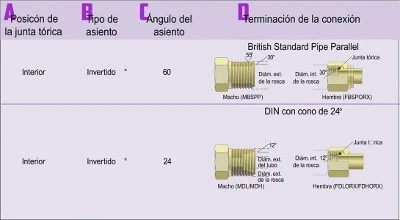
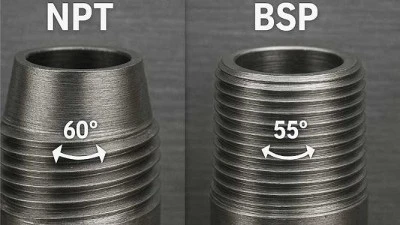
One of the biggest differences between BSP and Metric threads is the thread profile.
BSP Thread
- 55° thread angle
- Whitworth thread form
Metric Thread
- 60° thread angle
- ISO metric thread form
Although some sizes may look similar, the thread profile is different.
For example:
A BSP 1/2 fitting and a metric M20 fitting may appear close in diameter, but:
- Pitch is different
- Thread shape is different
- Engagement is different
- Sealing performance will not be reliable
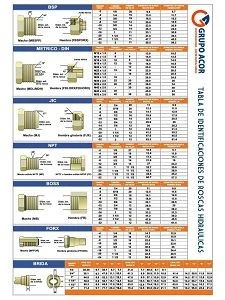
5. BSP vs Metric Thread Marking
Correct marking is important for hydraulic fitting purchasing.
BSP Marking Examples
|
Marking |
Meaning |
|
G1/4 |
BSPP parallel thread |
|
R1/4 |
BSPT male thread |
|
Rc1/4 |
BSPT female thread |
Metric Marking Examples
|
Marking |
Meaning |
|
M10×1 |
10mm diameter, 1mm pitch |
|
M14×1.5 |
14mm diameter, 1.5mm pitch |
|
M18×1.5 |
18mm diameter, 1.5mm pitch |
The thread specification should always include:
- Thread type
- Diameter
- Pitch
- Male/female
- Sealing structure
6. Sealing Method Comparison
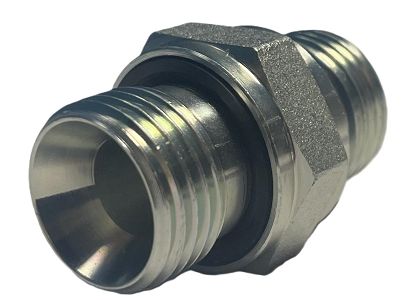
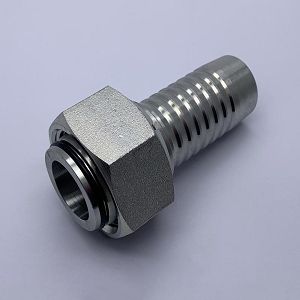
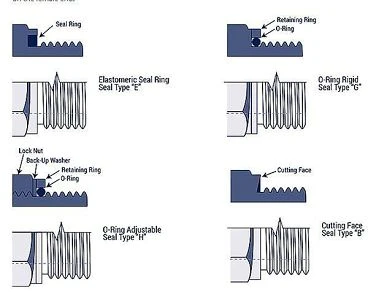
BSP Hydraulic Fittings
BSPP
Uses:
- O-ring face seal
- Bonded washer
- Flat sealing surface
The thread mainly provides mechanical connection.
BSPT
Uses:
- Thread interference
- PTFE tape
- Thread sealant
The tapered thread creates the sealing effect.
Metric Hydraulic Fittings
Common sealing methods:
24° Cone
Used widely in DIN hydraulic systems.
Advantages:
- Metal-to-metal sealing
- High pressure capability
- Good vibration resistance
O-Ring Face Seal
Advantages:
- Reduced leakage risk
- Suitable for hydraulic systems
- Good for repeated assembly
7. Pressure Performance Comparison
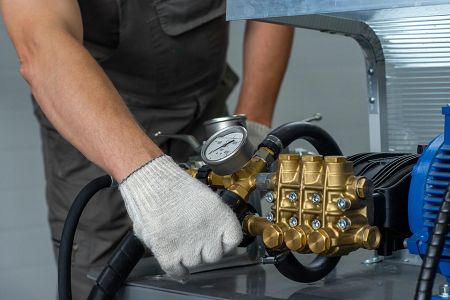
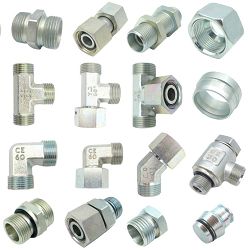
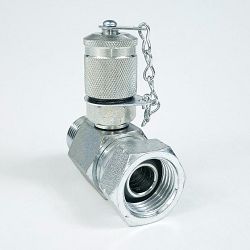
Pressure capability depends on:
- Material
- Fitting design
- Size
- Sealing method
- Installation quality
BSP Hydraulic Fittings
Commonly used in:
- Hydraulic hoses
- Pumps
- Valves
- Pneumatic systems
Metric Hydraulic Fittings
Commonly selected for:
- High-pressure hydraulic equipment
- Mobile machinery
- Construction equipment
Metric cone fittings are widely used because the metal sealing structure provides reliable performance under vibration and pressure conditions.
8. BSP vs Metric Application Comparison
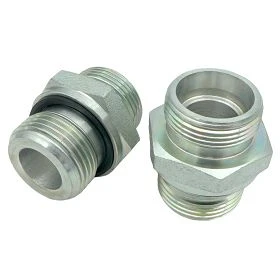
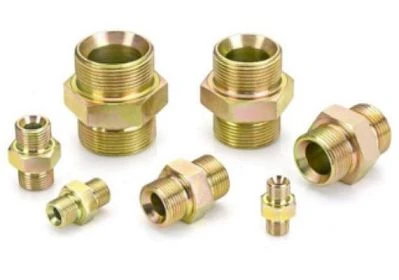
BSP Hydraulic Fitting Applications
Common in:
Industrial Equipment
- Pumps
- Valves
- Air compressors
- Hydraulic control systems
Pneumatic Systems
- Cylinders
- FRL units
- Air preparation equipment
Water and Fluid Systems
- Pumps
- Filters
- General piping
Metric Hydraulic Fitting Applications
Common in:
Construction Machinery
- Excavators
- Loaders
- Cranes
Agricultural Equipment
- Tractors
- Hydraulic attachments
European Machinery
- CNC machines
- Automation equipment
- Hydraulic power units
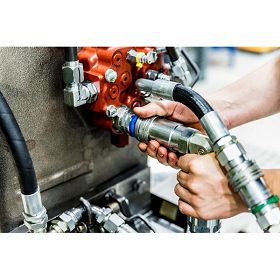
9. BSP vs Metric for Hydraulic Hose Connections
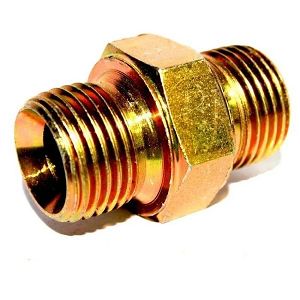
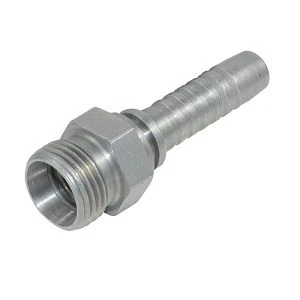
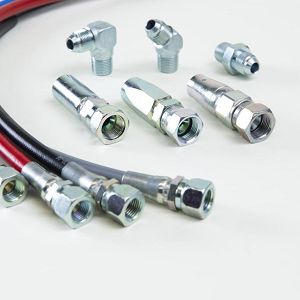
Hydraulic hose systems often require:
- Straight adapters
- 45° elbows
- 90° elbows
- Tees
- Reducers
- Bulkhead fittings
BSP hose fittings are common in international hydraulic markets.
Metric hose fittings are common in:
- DIN hydraulic systems
- European machinery
- OEM equipment
- Before replacement, confirm:
- Hose end standard
- Port thread
- Cone angle
- Seal type
10. BSP vs Metric Hydraulic Fittings: Installation Difference
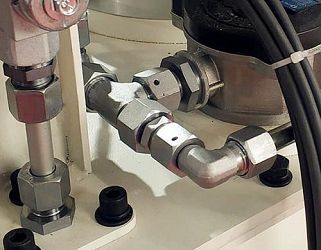
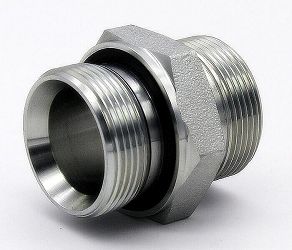
BSP Installation
Important points:
- Confirm BSPP or BSPT
- Use correct seal
- Avoid over tightening
- Check thread engagement
Metric Installation
Important points:
- Confirm thread pitch
- Confirm cone angle
- Match tube size
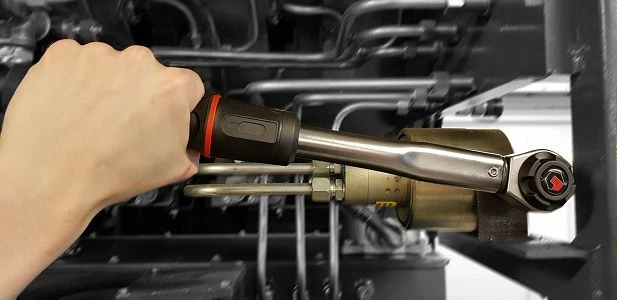
- Tighten according to torque requirement
Metric fittings often require accurate matching because several thread sizes may have similar external dimensions.
11. BSP vs Metric Fittings for OEM Manufacturing
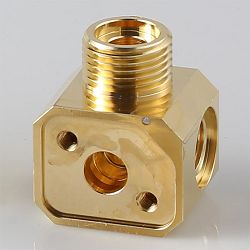
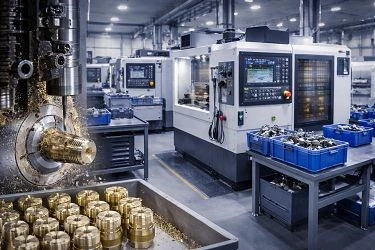
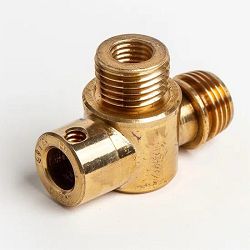
For OEM customers, choosing the correct thread standard affects:
- Assembly efficiency
- Spare parts compatibility
- Leakage prevention
- Production consistency
HBFittings supports customized brass fittings according to:
- Customer drawings
- Thread requirements
- Material specifications
- Application conditions
Possible customization:
- BSP adapter
- Metric adapter
- BSP × Metric adapter
- Custom brass hydraulic connector
12. Brass Material Selection for Hydraulic Fittings
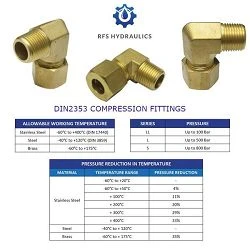
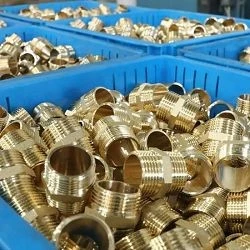
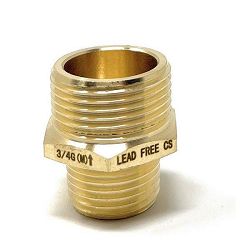
Thread selection is only one part of fitting performance.
Material selection also affects service life.
Standard Brass
Suitable for:
- General hydraulic connections
- Pneumatic systems
- Water and air applications
CW617N Brass
Common in:
- Forged brass fittings
- Plumbing connections
- Industrial adapters
Advantages:
- Good strength
- Good corrosion resistance
- Good machinability
Lead-Free Brass
Suitable for:
- Drinking water
- Food-related applications
- Regulations requiring low lead content
13. BSP vs Metric Hydraulic Fittings Selection Guide
|
Application |
Recommended Choice |
|
European hydraulic machinery |
Metric |
|
DIN hydraulic system |
Metric |
|
Imported pumps and valves |
BSP |
|
Pneumatic equipment |
BSP |
|
Construction machinery |
Metric |
|
Industrial fluid systems |
BSP / Metric according to equipment |
|
OEM replacement parts |
Match original standard |
|
Mixed international equipment |
Use BSP-Metric adapter |
14. Common Purchasing Mistakes
Mistake 1: Confusing BSP and Metric
A fitting may screw in a few turns but still be incorrect.
Mistake 2: Ignoring Pitch
Example:
M18×1.5 and M18×2.0 are different fittings.
Mistake 3: Ignoring Sealing Structure
A BSPP fitting cannot simply replace a BSPT fitting.
Mistake 4: Selecting by Diameter Only
Thread diameter alone does not identify the fitting.
Mistake 5: Not Confirming Original Equipment Standard
Always check:
- Manufacturer drawing
- Existing fitting marking
- Thread gauge
- Equipment manual
15. HBFittings Brass Hydraulic Fitting Solutions
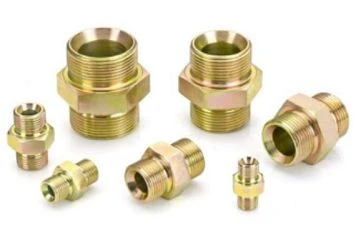
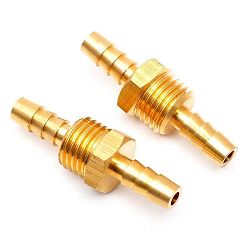
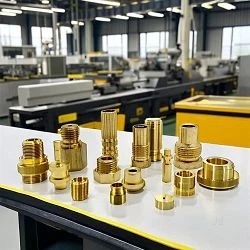
HBFittings provides brass fitting solutions including:
Brass Hydraulic Adapters
- Straight adapters
- Reducing adapters
- Male/female adapters
Brass Hose Barb Fittings
- Hose barb adapters
- Elbows
- Tees
Brass Threaded Fittings
- BSP fittings
- Metric fittings
- Customized thread fittings
Material options:
- Brass
- Lead-free brass
- DZR brass
Customization:
- CNC machining
- Thread processing
- Drawing-based production
16. Final Comparison: BSP vs Metric Hydraulic Fittings
|
Feature |
BSP |
Metric |
|
Origin |
British standard |
International metric standard |
|
Thread measurement |
Inch |
Millimeter |
|
Thread angle |
55° |
60° |
|
Typical marking |
G/R/Rc |
M×pitch |
|
Main users |
International hydraulic systems |
European machinery |
|
Sealing |
Thread/O-ring/washer |
Cone/O-ring |
|
Common equipment |
Pumps, valves, pneumatic systems |
Hydraulic machinery |
|
Replacement |
Match BSP |
Match metric |
Conclusion
BSP and Metric hydraulic fittings serve similar purposes, but they belong to different connection systems.
BSP fittings are widely used in international hydraulic, pneumatic and industrial fluid systems, especially where British pipe thread standards are applied.
Metric hydraulic fittings are mainly found in European-designed machinery and DIN hydraulic systems where metric dimensions and cone sealing structures are common.
For HBFittings customers, the correct selection should start from the existing equipment connection:
- BSP port → select BSP fitting
- Metric port → select Metric fitting
- Unknown fitting → confirm thread size, pitch and sealing method before ordering
For OEM projects, specifying the exact thread standard, material and sealing structure helps avoid installation problems and repeated replacement.


