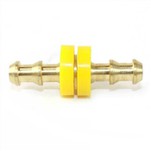
check valve in a brass instrument is a device that allows air to flow in one direction while preventing it from flowing back in the opposite direction. It is an essential component in certain brass instruments to ensure proper airflow and prevent air leakage.
In brass instruments like trumpets, trombones, and tubas, check valves are typically found in the water key or spit valve assembly. The water key is a mechanism used to drain condensation that accumulates during playing. It consists of a small metal tube with a cork or rubber stopper at the end. When the water key is opened, the player blows a burst of air through the instrument, pushing out the accumulated moisture.
The check valve in the water key assembly is responsible for allowing air to exit the instrument when the water key is opened but preventing air from entering when the key is closed. It ensures that no air escapes during normal playing, maintaining the proper air pressure and sound production.
The check valve is typically made of brass or other metals and has a small ball or disc inside that acts as a seal. When the water key is opened, the air pressure pushes the ball or disc away, allowing air and moisture to escape. When the key is closed, the ball or disc is forced against a seat, creating an airtight seal and preventing air from entering the instrument.
Over time, check valves may become worn or damaged, resulting in air leakage or poor performance. It is important to periodically inspect and maintain the check valves in brass instruments to ensure optimal playability. If a check valve is not functioning properly, it can be replaced by a qualified instrument repair technician.
Overall, the check valve is a crucial component in brass instruments, particularly in the water key assembly, as it helps maintain proper airflow and prevent air leakage, ensuring optimal performance and sound quality.