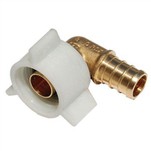
Choosing the appropriate valve material depends on several factors, including the type of fluid or gas being handled, operating conditions (temperature and pressure), compatibility with other system components, and any specific requirements or regulations.
Here are some steps to guide you in selecting the right valve material:
Identify the fluid or gas: Determine the composition, corrosiveness, and aggressiveness of the medium. This information will help determine the level of chemical resistance required.
Assess operating conditions: Consider the temperature and pressure range in which the valve will operate. Certain materials may have limitations or perform better under specific conditions.
Consider compatibility: Evaluate the compatibility of the valve material with other system components such as pipes, fittings, and seals. Avoid material combinations that can lead to galvanic corrosion or chemical reactions.
Evaluate corrosion resistance: Select a valve material that is resistant to corrosion caused by the specific medium being handled. For example, stainless steel, brass, bronze, or PVC may be suitable for different applications.
Review industry standards and regulations: Take into account any industry-specific standards or regulations that specify valve material requirements. For example, in the food or pharmaceutical industries, materials with FDA approval may be necessary.
Consult with manufacturers or experts: Seek advice from valve manufacturers or industry experts who can provide insights into the best material options based on their experience and knowledge.
It's important to note that valve material selection can be complex, and there may be trade-offs between factors such as cost, performance, and availability. Therefore, it's recommended to thoroughly research and consider all relevant factors before making a final decision.