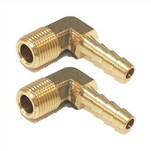
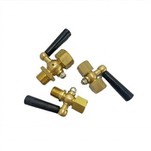
一,Heat treatment of valves
Heat treatment is a process method that changes the internal structure of valve materials through heating, insulation and cooling, thereby improving their mechanical properties. Valve heat treatment is mainly divided into two categories: preliminary heat treatment and final heat treatment.
1. Preliminary heat treatment
Annealing: Heat the valve material to above the austenite transformation temperature, keep it warm for a certain period of time and then slowly cool it. Incomplete annealing can eliminate forging internal stress, reduce hardness and improve toughness; complete annealing can refine grains, improve mechanical processing performance, and prepare the organization for quenching.
Normalizing: Heat the valve material to above the critical temperature, keep it warm for a certain period of time and then cool it rapidly. The purpose is to improve the hardness and wear resistance of the material.
Aging treatment: Mainly used to eliminate the internal stress generated in blank manufacturing and mechanical processing, and stabilize the processing accuracy of parts.
Quenching and tempering: High-temperature tempering treatment is performed after quenching to obtain a uniform and fine tempered troostite structure, preparing for subsequent surface quenching and nitriding treatment to reduce deformation.
2. Final heat treatment
Quenching: After heating the valve to a certain temperature, it is quickly cooled to form a layer of high-hardness martensitic structure on its surface, which significantly improves hardness and wear resistance. There are two ways of quenching: surface quenching and overall quenching, of which surface quenching is more widely used.
Tempering: The quenched valve is heated to a temperature below the phase transition temperature, kept warm for a certain period of time, and then cooled to room temperature at a certain cooling rate. The purpose is to eliminate the internal stress caused by quenching and improve toughness.
Nitriding treatment: A treatment method that allows nitrogen atoms to penetrate into the surface of the valve to obtain a layer of nitrogen-containing compounds. The nitriding layer can improve the hardness, wear resistance, fatigue strength and corrosion resistance of the valve surface.
2. Surface treatment of valves
Surface treatment is mainly to improve the corrosion resistance, wear resistance and aesthetics of the valve. Common valve surface treatment methods include:
1. Mechanical rust removal and cleaning
Use sandpaper, wire brushes and other tools to grind and scrub the valve surface to remove rust and dirt. Sandblasting uses compressed air to spray abrasives onto the valve surface at high speed to remove surface dirt and oxide layers.
2. Chemical rust removal and cleaning
Use acid solutions (such as hydrochloric acid, sulfuric acid, etc.) to soak or spray the valve to remove rust and oxides through chemical reactions. However, it should be noted that the valve should be thoroughly rinsed after cleaning to avoid further corrosion of the valve body by residues. Use alkaline solution to clean the valve to remove grease and dirt on the surface. Use organic solvents (such as gasoline, alcohol, etc.) to clean the valve to remove grease and impurities on the surface.
3. Surface coating treatment
Spraying anti-corrosion paint: Spray a layer of anti-corrosion paint on the surface of the valve to form a protective film to isolate the valve body from oxygen and moisture in the air and prevent rust.
Spraying: Spray plastic powder evenly on the metal surface of the valve, and form a dense coating after high-temperature baking.
Grease: Apply a layer of grease on the surface of the valve to form a lubricating protective film to reduce the chance of direct contact between the valve body and oxygen and moisture in the air. However, attention should be paid to the selection and amount of grease to avoid affecting the operating performance of the valve.
Hot-dip galvanizing: Immerse the valve in molten zinc liquid to make the zinc layer closely bonded to the valve surface, forming a dense zinc protective layer to improve the corrosion resistance of the valve.
4. External protective layer
Installation of protective sleeve: Install a protective sleeve on the outside of the valve, such as a plastic sleeve, rubber sleeve, etc., to isolate the valve body from direct contact with the external environment to prevent rust.
Wrapping anti-corrosion tape: Wrap a layer of anti-corrosion tape (such as polyethylene anti-corrosion tape, glass ribbon, etc.) on the surface of the valve to form a protective layer to improve the corrosion resistance of the valve.
5. Other anti-rust methods
Passivation treatment: Use chemical or electrochemical methods to produce a dense passivation film on the surface of the valve to improve the corrosion resistance of the valve.
Cathodic protection: Use an external current or sacrificial anode to make the valve the cathode of the corrosion battery, thereby preventing corrosion. This method is mainly suitable for valves used underground or underwater.