

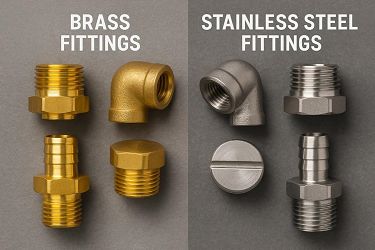
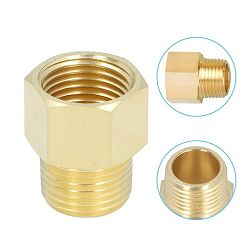
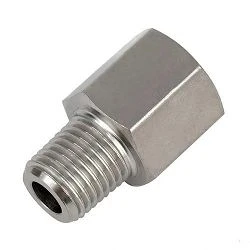
Adapters are small components, but they determine whether different pipes, hoses, valves or equipment ports can be connected correctly.
When selecting an adapter for a plumbing or industrial project, buyers usually compare brass adapters and stainless steel adapters.
The two materials are similar in function:
- Convert connection sizes
- Change thread types
- Connect different pipe materials
- Provide hose-to-pipe transitions
- Link equipment ports
But their performance differs in:
- Corrosion resistance
- Mechanical strength
- Cost
- Machining characteristics
- Temperature resistance
- Application environment
HBFittings focuses on brass fitting solutions, including brass adapters, brass pipe fittings, brass hose barb fittings, brass hydraulic fittings and custom machined brass components. Its product range includes different brass grades such as standard brass, lead-free brass and DZR brass for different working conditions.
1. Basic Difference Between Brass Adapter and Stainless Steel Adapter

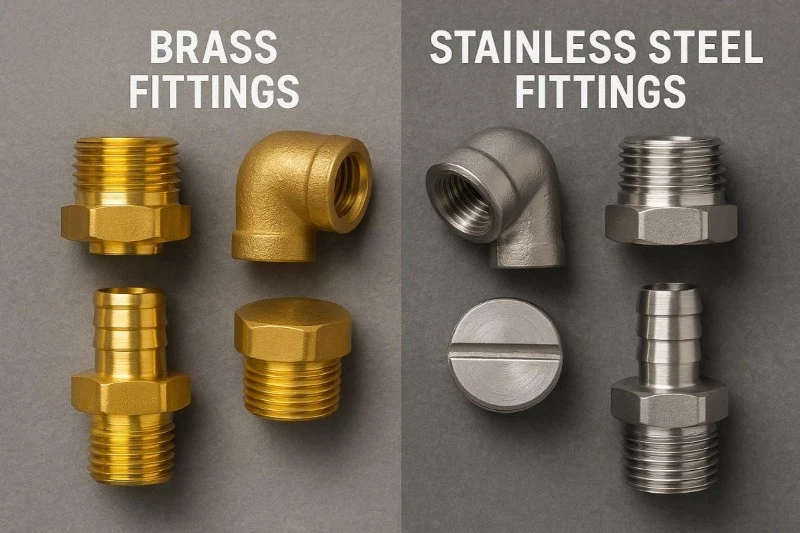
Brass Adapter
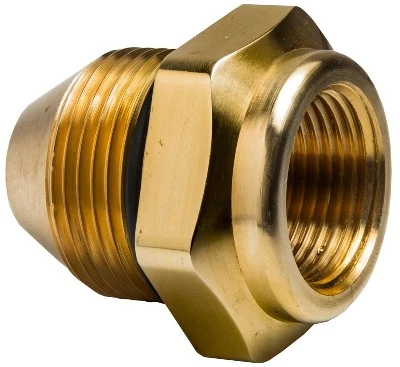
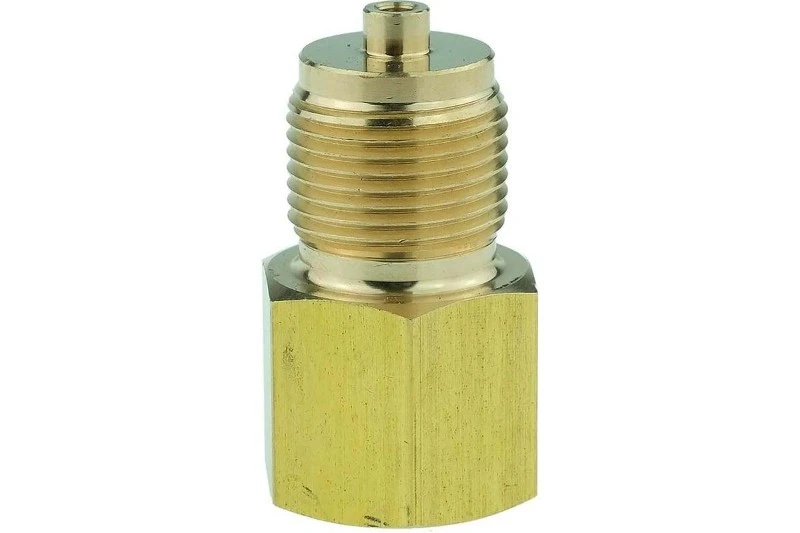
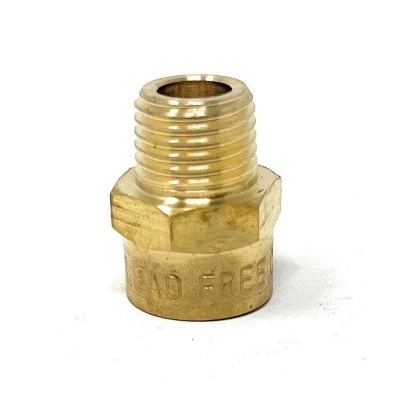
A brass adapter is manufactured from copper-zinc alloy.
Common brass materials include:
- CW614N
- CW617N
- C36000 / CA360
- C37700 / CA377
- Lead-free brass C46500
- DZR brass CW602N
HBFittings supplies brass fittings manufactured from different brass alloys according to application requirements.
Typical products:
- Brass male adapter
- Brass female adapter
- Brass reducing adapter
- Brass hose barb adapter
- Brass compression adapter
- Brass threaded adapter
Stainless Steel Adapter
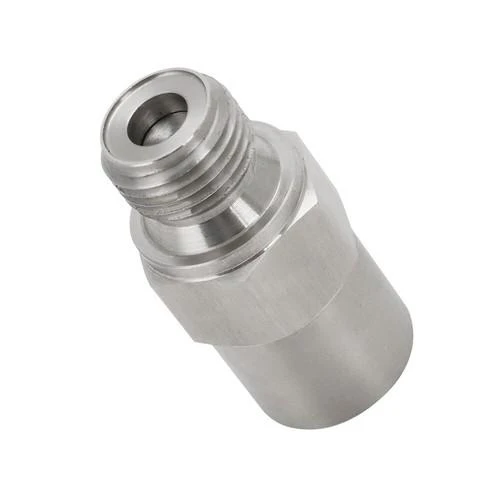
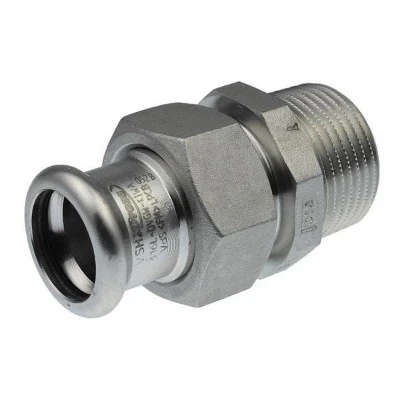
Stainless steel adapters are usually manufactured from:
- 304 stainless steel
- 316 stainless steel
They are selected when higher corrosion resistance is required.
Typical applications:
- Marine systems
- Chemical equipment
- Food processing
- Pharmaceutical systems
- Outdoor installations
2. Brass Adapter vs Stainless Steel Adapter Comparison Table
|
Item |
Brass Adapter |
Stainless Steel Adapter |
|
Main material |
Copper-zinc alloy |
Iron-chromium alloy |
|
Corrosion resistance |
Good |
Excellent |
|
Salt water resistance |
Moderate |
Excellent |
|
Strength |
Good |
Higher |
|
Machining |
Excellent |
More difficult |
|
Cost |
Lower |
Higher |
|
Weight |
Medium |
Higher |
|
Thermal conductivity |
Higher |
Lower |
|
Appearance |
Golden color |
Silver color |
|
Drinking water options |
Lead-free brass available |
Usually available |
|
Industrial chemical resistance |
Limited |
Better |
3. Corrosion Resistance Comparison
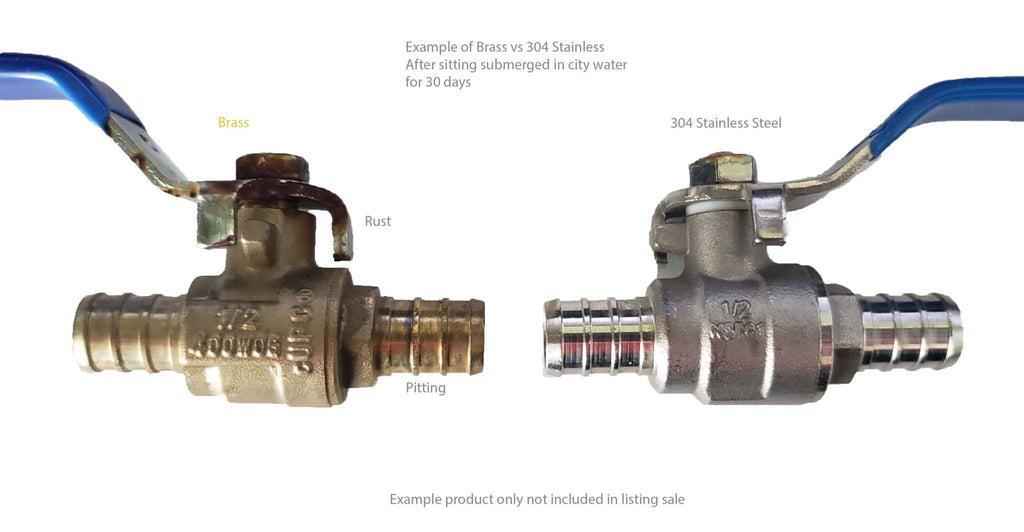
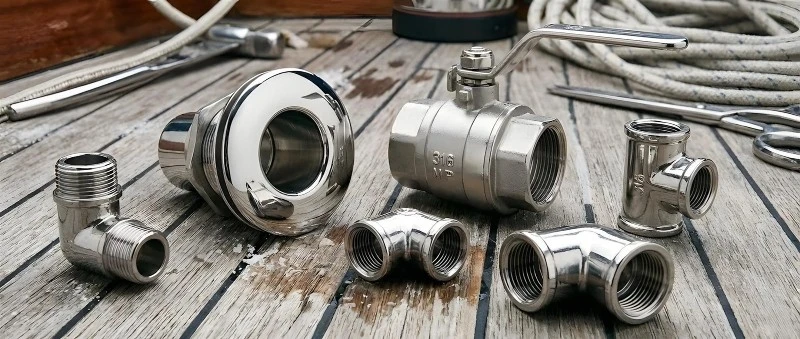
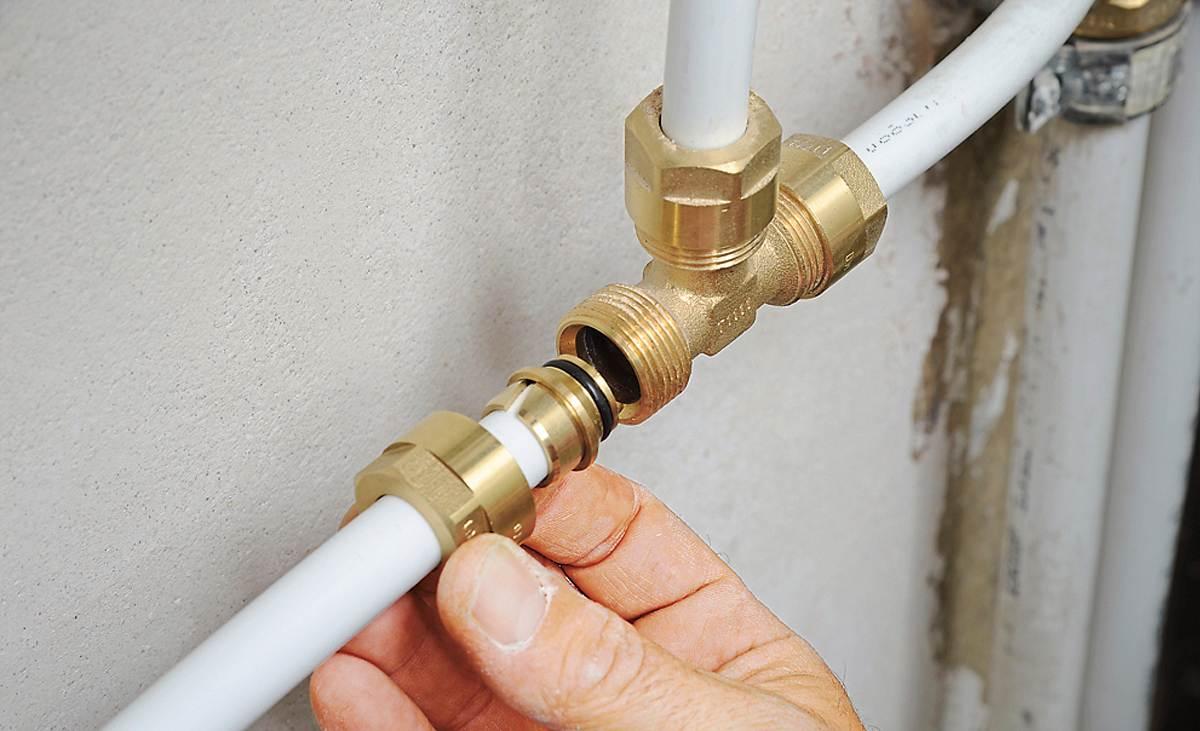
Corrosion resistance is usually the first factor engineers consider.
Brass Adapter
Brass performs well in:
- Drinking water
- Building plumbing
- Compressed air
- Pneumatic systems
- General industrial fluids
Advantages:
- Good resistance to normal water corrosion
- Stable performance
- Easy manufacturing
However, standard brass may not be the best choice for:
- High chloride environments
- Seawater
- Aggressive chemicals
For these applications, HBFittings offers DZR brass options designed to improve resistance against dezincification.
Stainless Steel Adapter
Stainless steel provides stronger corrosion resistance.
Especially:
316 Stainless Steel
Suitable for:
- Saltwater
- Marine equipment
- Chemical environments
- Food processing
The chromium oxide passive layer protects the surface from oxidation.
4. Strength and Pressure Capability
Strength is important for:
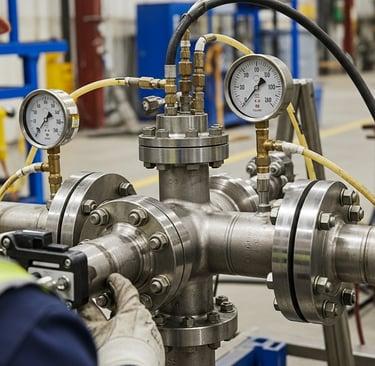
- Hydraulic systems
- High-pressure pipelines
- Heavy machinery
- Industrial equipment
Stainless Steel Advantage
Stainless steel generally provides:
- Higher tensile strength
- Better mechanical strength at high temperature
- Better resistance to mechanical damage
Brass Advantage
Brass provides:
- Good pressure performance
- Excellent machinability
- Reliable sealing surfaces
For plumbing, pneumatic and medium-pressure applications, brass adapters are widely used because they provide a good balance between performance and cost.
HBFittings manufactures brass adapters with different designs, thread types and dimensions depending on pressure requirements.
5. Machining and Manufacturing Difference

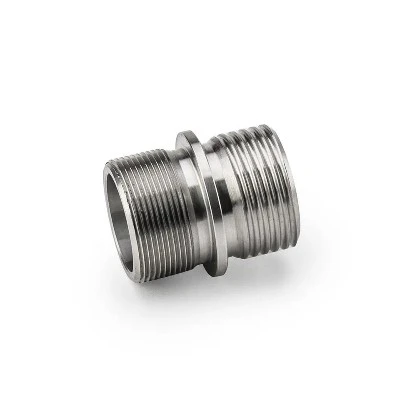
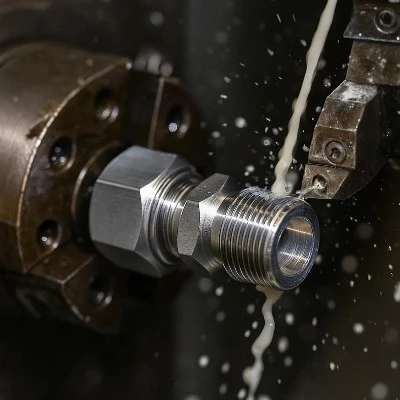
This is an area where brass has a clear advantage.
Brass Machining
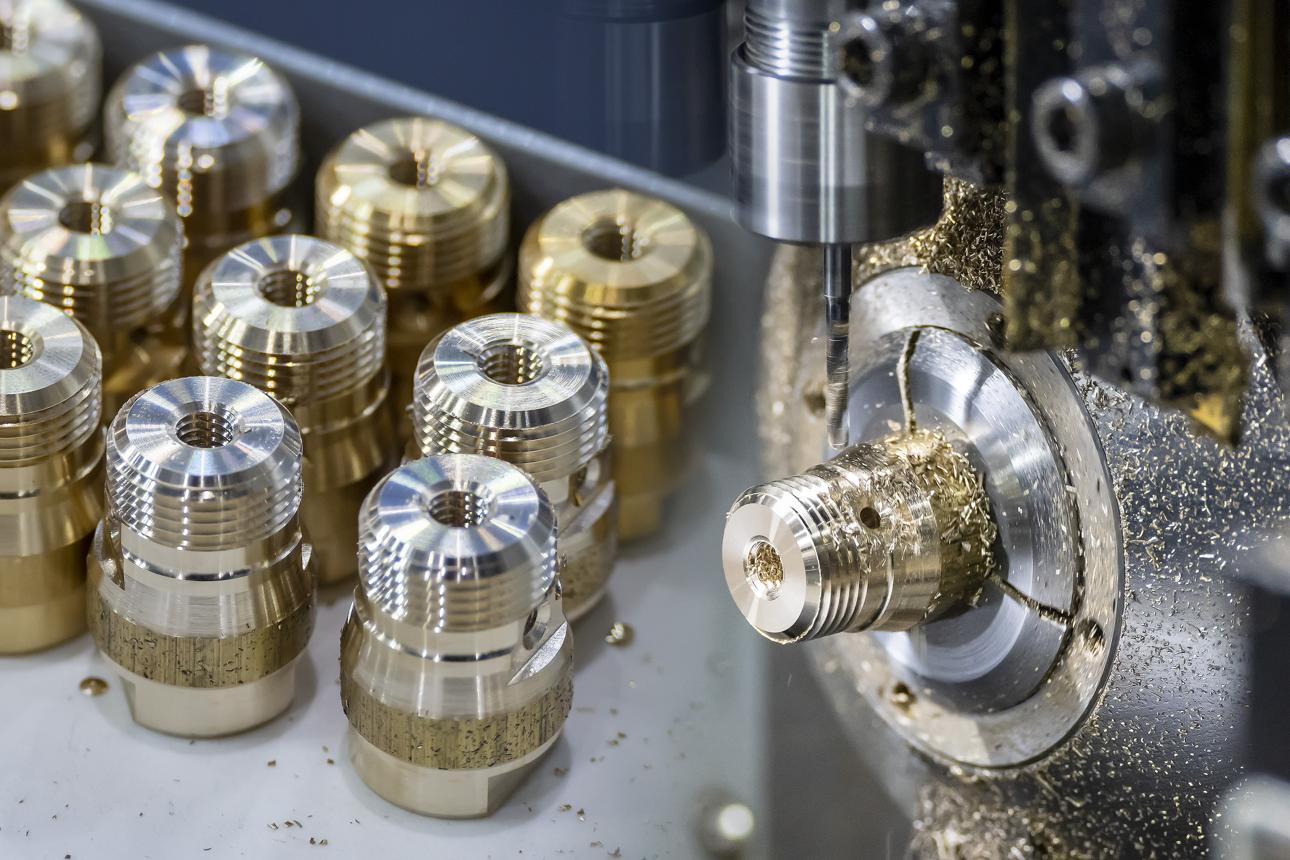
Brass is easy to machine because:
- Good cutting performance
- Lower tool wear
- Stable dimensional accuracy
- Faster CNC processing
This makes brass suitable for:
- OEM adapters
- Custom fittings
- Complex threads
- Small precision parts
HBFittings provides CNC machining capability for brass fittings and custom components.
Stainless Steel Machining
Stainless steel is harder to machine.
Challenges:
- Higher cutting resistance
- More tool wear
- Slower machining speed
- Higher manufacturing cost
6. Thread Quality Comparison
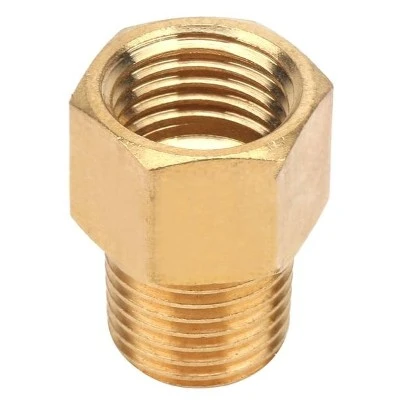
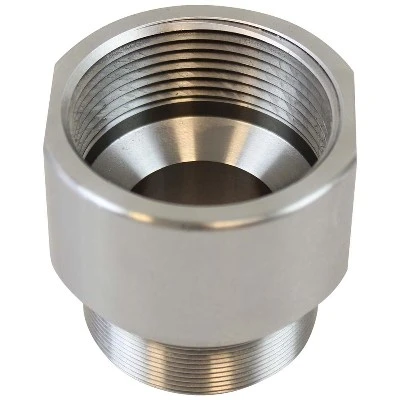
Adapters depend heavily on thread quality.
Common thread standards:
- NPT
- BSP
- BSPT
- Metric
- SAE
Brass Adapter
Advantages:
- Clean thread machining
- Good sealing surface
- Less risk of galling
Stainless Steel Adapter
Advantages:
- Higher strength threads
- Better for harsh environments
However:
Stainless steel threads may experience galling if:
- Improper lubrication
- Excessive tightening
- Poor installation method
7. Drinking Water Application
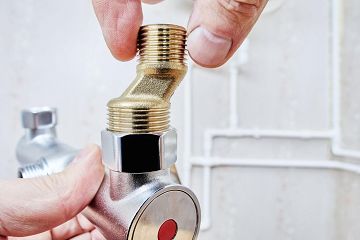
For drinking water systems, material compliance is critical.
Lead-Free Brass Adapter
Advantages:
- Suitable for potable water systems
- Good machining performance
- Cost-effective
HBFittings provides lead-free brass materials such as C46500 for applications requiring low lead content.
Stainless Steel Adapter
Common grades:
- 304 stainless steel
- 316 stainless steel
Advantages:
- Excellent corrosion resistance
- Suitable for high-purity water systems
Common applications:
- Food equipment
- Pharmaceutical systems
- Water treatment
8. Temperature Resistance
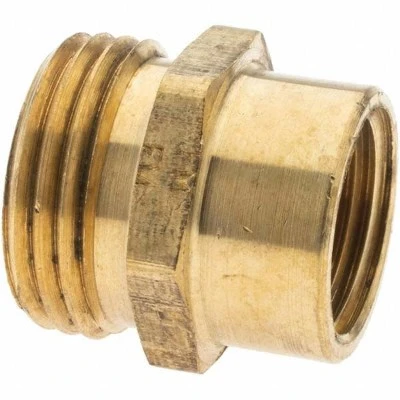


Temperature affects:
- Material strength
- Seal performance
- Service life
Brass
Suitable for:
- Residential hot water
- HVAC systems
- General fluid systems
Stainless Steel
Better for:
- High-temperature processes
- Steam systems
- Industrial heating systems
When temperature exceeds normal plumbing ranges, stainless steel often provides a wider safety margin.
9. Cost Comparison
|
Factor |
Brass Adapter |
Stainless Steel Adapter |
|
Material cost |
Lower |
Higher |
|
Machining cost |
Lower |
Higher |
|
Tooling cost |
Lower |
Higher |
|
Large quantity production |
Excellent |
Good |
|
Custom machining |
Excellent |
Moderate |
|
Maintenance cost |
Low |
Low |
For large-volume plumbing projects, brass adapters often provide better cost efficiency.
For demanding environments, stainless steel may justify the higher initial cost.
10. Application Comparison
Residential Plumbing
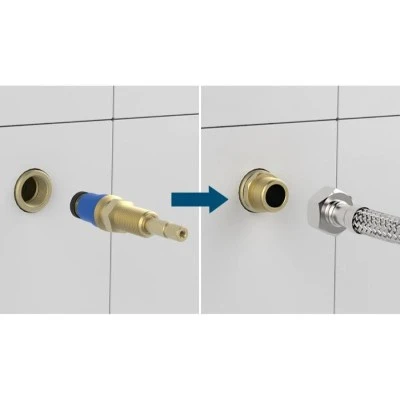
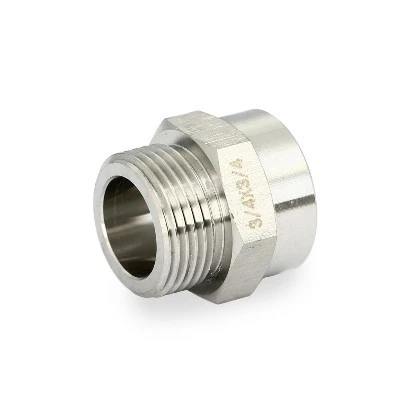
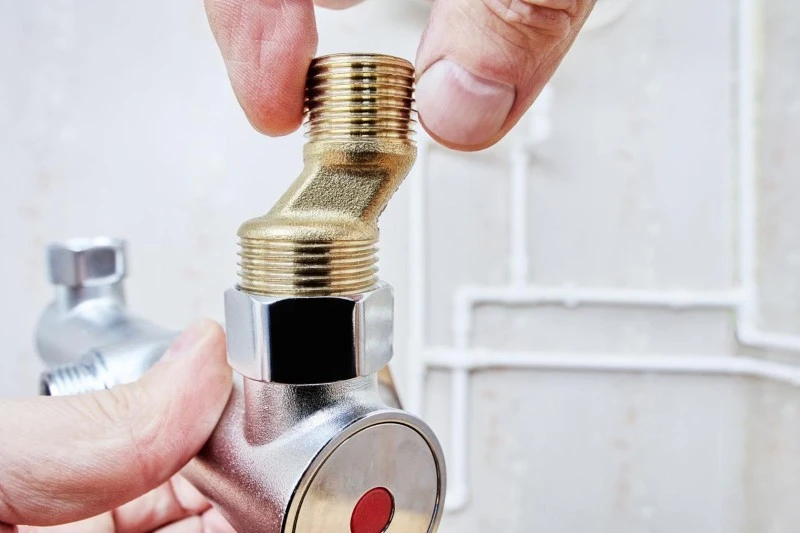
Recommended:
Brass Adapter
Applications:
- Water supply
- Faucets
- Water heaters
- Pipe transitions
Reasons:
- Good corrosion resistance
- Lower cost
- Easy installation
Commercial Building Water Systems
Recommended:
Brass Adapter or DZR Brass Adapter
Applications:
- Building water supply
- HVAC
- Pump connections
Advantages:
- Reliable long-term service
- Easy maintenance
- Good availability
Industrial Chemical Systems
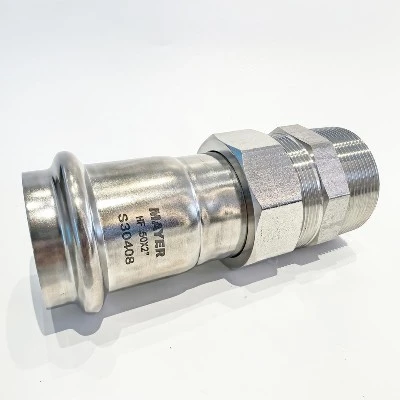
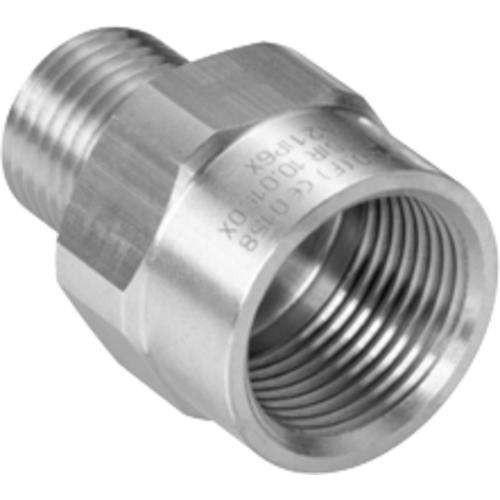
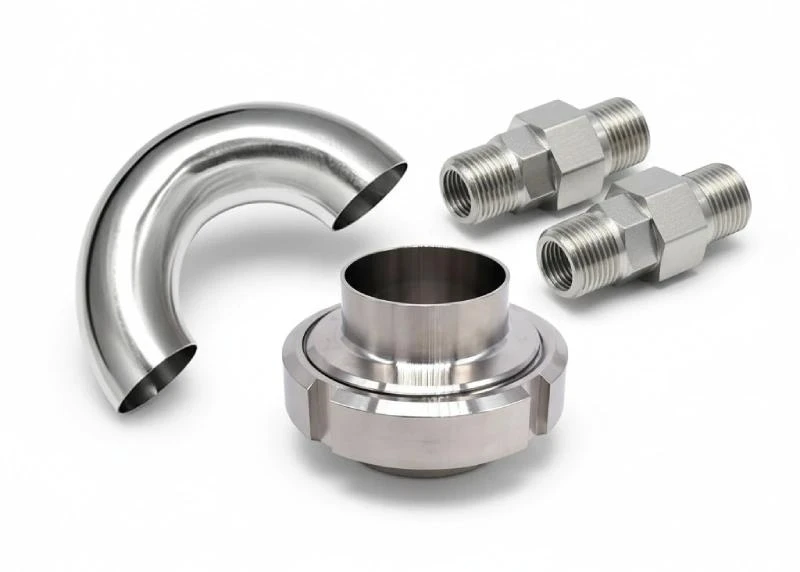
Recommended:
Stainless Steel Adapter
Applications:
- Chemical processing
- Corrosive fluids
- Laboratory equipment
Marine Applications
Recommended:
316 Stainless Steel Adapter
Applications:
- Boats
- Offshore equipment
- Saltwater systems
Reason:
High chloride resistance.
Food and Beverage Systems
Recommended:
Stainless Steel Adapter
Especially:
- 304 SS
- 316 SS
Reasons:
- Cleanability
- Corrosion resistance
- Hygiene requirements
11. Brass Adapter Types from HBFittings
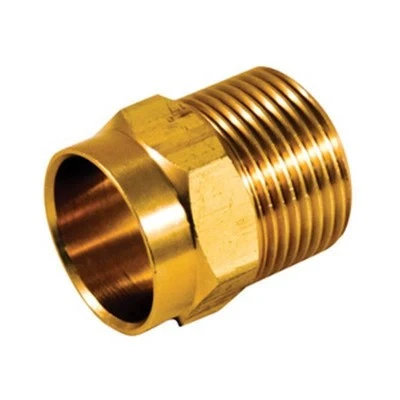
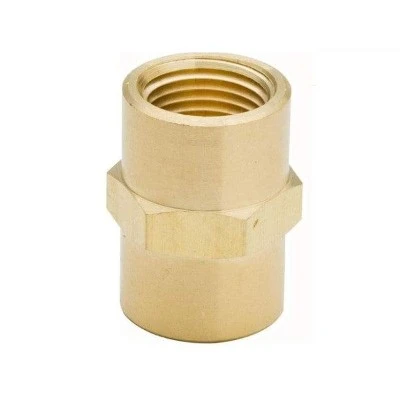
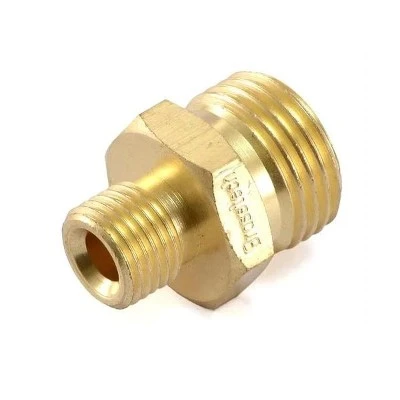
HBFittings brass adapter solutions include:
Brass Male Adapter
Connection:
Male thread × pipe/tube connection
Applications:
- Plumbing
- Equipment connection
Brass Female Adapter
Connection:
Female thread × tube connection
Applications:
- Valve connection
- Pipe transition
Brass Reducing Adapter
Function:
Change pipe size.
Example:
1 inch → 3/4 inch
Brass Hose Barb Adapter
Used for:
- Flexible hose connection
- Water lines
- Air systems
Brass Compression Adapter
Used for:
- Copper tubing
- Instrumentation systems
12. Brass Adapter vs Stainless Steel Adapter: Selection Guide
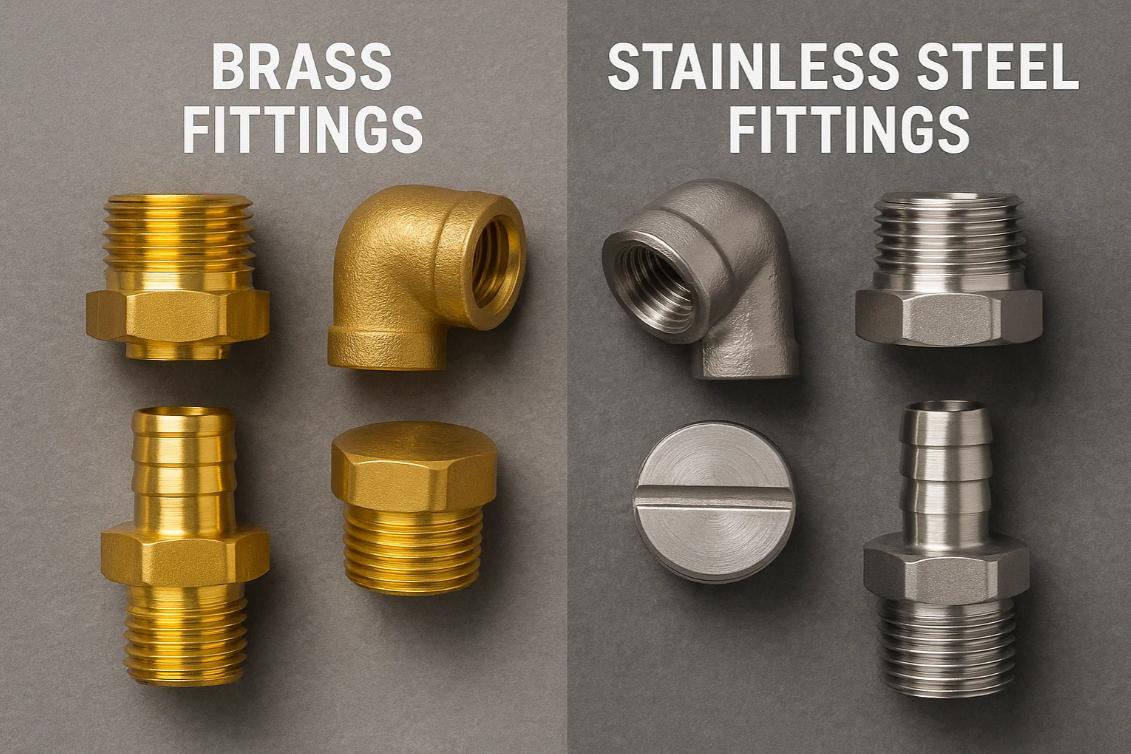
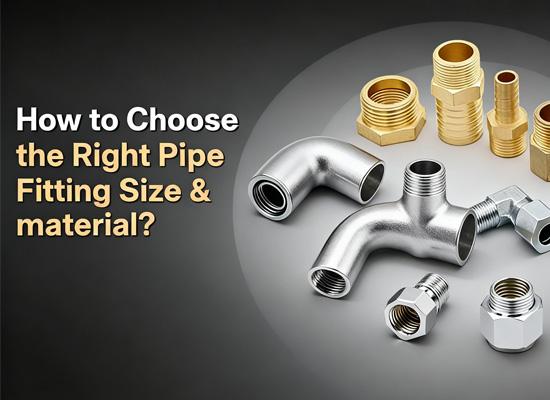
Choose Brass Adapter when:
- Residential plumbing
- Commercial water systems
- Pneumatic systems
- General industrial fluids
- Cost control is important
- High machining accuracy is required
Choose Stainless Steel Adapter when:
- Saltwater environment
- Chemical exposure
- Food processing
- Pharmaceutical equipment
- High temperature
- High corrosion resistance required
13. Buyer Checklist Before Ordering
Before purchasing adapters, confirm:
Connection
Male or female thread?
- NPT?
- BSP?
- BSPT?
- Metric?
Material
- Brass?
- Lead-free brass?
- DZR brass?
- 304 stainless steel?
- 316 stainless steel?
Application
- Water?
- Air?
- Oil?
- Gas?
- Chemical?
Performance
- Working pressure
- Temperature range
- Corrosion environment
Manufacturing
- CNC machining?
- Forged?
- OEM drawing?
Final Comparison
|
Requirement |
Better Choice |
|
Residential plumbing |
Brass |
|
Drinking water |
Lead-free brass / Stainless steel |
|
Marine |
Stainless steel |
|
Chemical system |
Stainless steel |
|
Pneumatic equipment |
Brass |
|
OEM custom adapter |
Brass |
|
High temperature |
Stainless steel |
|
Low cost project |
Brass |
|
Salt environment |
Stainless steel |
|
Large volume production |
Brass |
Conclusion
Brass adapters and stainless steel adapters are not direct replacements for each other. The better choice depends on where the adapter will work.
Brass adapters are widely used for plumbing, water supply, pneumatic systems and general industrial applications because they offer excellent machinability, reliable sealing and competitive cost.
Stainless steel adapters are selected when corrosion resistance, high temperature performance or aggressive operating conditions become the priority.
Based on HBFittings' brass fitting product range, brass adapters can be customized with different materials, threads and structures, including standard brass, lead-free brass and DZR brass options.
For most building water systems, compressed air systems and general industrial connections, brass remains a practical choice.
For marine, chemical and highly corrosive environments, stainless steel provides additional protection.


