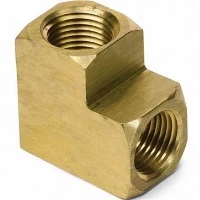
Hey there! As a supplier of Brass Two Way Female Gauge Cock Valve, I often get asked about the torque specification for tightening these valves. It's a crucial topic, as getting the torque right is essential for the proper functioning and longevity of the valve.
Why Torque Specification Matters
First off, let's talk about why torque specification is such a big deal. When you're tightening a brass two - way female gauge cock valve, you need to apply the correct amount of force. If you don't apply enough torque, the valve might not seal properly. This can lead to leaks, which can be a real headache, especially in industrial settings where even a small leak can cause significant problems.
On the other hand, if you over - tighten the valve, you can damage the brass material. Brass is a relatively soft metal compared to some others, and excessive torque can cause the valve to crack or distort. This not only ruins the valve but can also create safety hazards in the system it's a part of.
Factors Affecting Torque Specification
There are several factors that can influence the torque specification for tightening a brass two - way female gauge cock valve.
Size of the Valve
The size of the valve is a major factor. Generally, larger valves require more torque to achieve a proper seal. For example, a 1/2 - inch valve will need a different torque value compared to a 3/4 - inch valve. This is because the larger the valve, the greater the surface area that needs to be sealed, and more force is required to compress the sealing materials effectively.
Thread Type
The type of thread on the valve also plays a role. Different thread profiles, such as NPT (National Pipe Thread) or BSP (British Standard Pipe), have different friction characteristics. NPT threads are tapered, which means they rely on the interference fit to create a seal. BSP threads can be either parallel or tapered. The friction between the threads affects how much torque is needed to tighten the valve to the correct level.
Sealing Material
The sealing material used in the valve is another important consideration. If the valve uses a soft rubber seal, less torque might be required compared to a valve with a hard plastic or metal - to - metal seal. The soft rubber can be compressed more easily, and over - tightening can damage the seal.
Determining the Torque Specification
So, how do you figure out the right torque specification for a brass two - way female gauge cock valve?
Manufacturer's Guidelines
The first and most reliable source of information is the manufacturer's guidelines. At our company, we provide detailed torque specifications for all our Brass Two Way Female Gauge Cock Valves. These specifications are based on extensive testing and engineering analysis to ensure that the valves perform optimally.
Industry Standards
There are also industry standards that can give you a ballpark figure for torque values. For example, in the plumbing and industrial piping industries, there are standard torque charts for different sizes and types of valves. However, it's important to note that these are general guidelines, and the manufacturer's specific recommendations should always take precedence.
Torque Calculation
In some cases, you may need to calculate the torque based on the specific application. This involves considering factors like the pressure in the system, the coefficient of friction of the threads, and the material properties of the valve. However, this is a more complex process and is usually best left to engineers or experienced technicians.
Tools for Tightening
Once you know the correct torque specification, you need the right tools to apply the torque accurately. A torque wrench is the most common tool used for this purpose. There are different types of torque wrenches, such as click - type, beam - type, and digital torque wrenches.
A click - type torque wrench is the most popular. It emits a clicking sound when the preset torque value is reached, indicating that you've tightened the valve to the correct level. Digital torque wrenches are more precise and can provide a digital readout of the applied torque.
Our Product Range
In addition to Brass Two Way Female Gauge Cock Valves, we also offer a wide range of other gauge cock valves. Check out our Brass Shut Off Cock Male X Union Nut with Test, which is great for applications where you need to shut off the flow and perform tests.
We also have Brass Three Way Gauge Cock Valve with Steel Nut, which provides more flexibility in controlling the flow direction. And for those who need a female - to - male connection, our Brass Two Way Gauge Cock Valve Female To Male is an excellent choice.
If you're looking for a three - way valve with a brass nut, our Three Way Gauge Cock Valve with Brass Nut is worth considering.
Conclusion
In conclusion, getting the torque specification right for tightening a brass two - way female gauge cock valve is crucial. It ensures a proper seal, prevents leaks, and extends the life of the valve. Always refer to the manufacturer's guidelines, use the right tools, and consider the factors that can affect the torque value.
If you're in the market for high - quality brass gauge cock valves, we're here to help. Whether you need a Brass Two Way Female Gauge Cock Valve or any of our other products, feel free to reach out to us for more information and to start a procurement discussion. We're committed to providing you with the best products and service.


References
- Industrial Valve Handbook
- Plumbing and Piping Standards Manual