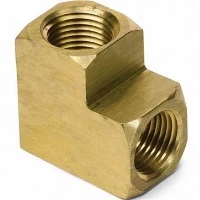
If you’re like most folks in fluid handling, you’ve probably wrestled with picking parts that work well AND don’t cost the planet. As someone who’s been selling check valves for years—specifically the Brass Mini Male To Male Check Valve I get asked this question all the time: Is it actually environmentally friendly? I don’t just regurgitate marketing jargon; I’ve stood in our warehouse, talked to plumbers and HVAC techs, and dug into the actual science behind these valves. Let’s break it down, no fancy stuff.
First, let’s get on the same page: what even is a mini male-to-male check valve? For anyone new, it’s a tiny, compact valve that lets fluid flow only one way—super common in plumbing, hydraulics, even small appliance lines. The brass mini version is our most popular, and honestly, it’s the one we hear the most questions about when it comes to green impact.
Let’s start with material, because that’s where any part’s eco-credentials begin. Brass is an alloy of copper and zinc—two materials that are 100% recyclable. Wait, hold up: I’ve seen people argue that brass production is energy-heavy, and yeah, smelting copper and zinc does take energy, but here’s the thing: brass is one of the most recycled materials on Earth. I’m talking a recycled rate of like 90% for brass used in plumbing and industrial parts. Compare that to, say, plastic valves, which end up in landfills or leach chemicals when they break. Our brass mini check valves—including the Brass Jic Flare Check Valve and Brass InLine Spring Vertical Check Valve we also sell—are made from virgin brass that’s formulated to be as compatible with recycled brass streams as possible, so when they reach the end of their life, they don’t require special processing to melt down. A lot of people don’t realize that plastic check valves often have additives that make them hard to recycle, but brass is pure in that regard.
Next, durability. Here’s a big one I preach to every customer: a valve that breaks fast is not eco-friendly. You’ve got to make a replacement, which uses more materials, more energy to ship, more waste when the old one goes in the trash. Our brass mini male valves aren’t tiny flimsy things—they’re built to handle consistent pressure, temperature swings, and frequent use. I’ve had customers tell me they’ve had these valves in their systems for 10+ years without a single issue, whereas a plastic valve from a big box store might crack or fail in 2-3. We test every batch, too: we run thousands of pressure cycles to make sure the seal holds, no leaks. Leaks are a huge environmental culprit in fluid systems—they waste water, fuel, whatever’s flowing, and if it’s a toxic fluid, it can contaminate soil or waterways. A check valve’s whole job is preventing backflow, and a brass one does that way more reliably than cheaper alternatives. I recently had an HVAC tech tell me he replaced a plastic check valve in a heating system that was leaking 5 gallons of antifreeze a week—switching to our brass mini one fixed that instantly. That’s not just saving him service calls; that’s keeping chemicals out of the ground and not wasting resources.


Wait, but what about the manufacturing process? Let’s be real—no product is zero impact, so we need to be honest about the downsides too. Brass production does emit some greenhouse gases, but here’s how we mitigate that: our suppliers use renewable energy for smelting, and we’ve optimized our machining process to cut down on scrap metal. When we cut brass bars into valve components, we used to waste a lot of material on offcuts, but now we send those offcuts right back to be recycled into new brass—so almost nothing from our production floor goes to landfill. Compare that to some plastic valve manufacturers that create tons of plastic scrap that’s hard to repurpose. Also, brass doesn’t off-gas microplastics like some plastic valves do when they wear down. Microplastics are a huge environmental problem—they get into water, harm marine life, and even end up in our food. Our brass check valves don’t shed those tiny toxic particles, which is a big win for aquatic ecosystems.
Another angle: water efficiency. A lot of plumbing systems use check valves to prevent backflow from sewers into potable water lines, but they also help with pressure consistency. If a valve doesn’t work right, you get uneven pressure, which can make people use more water—like running the tap longer to get hot water, or fixing leaks that pop up because of inconsistent flow. Our brass mini male valves are precision-engineered to open and close smoothly, so they don’t restrict flow unnecessarily, and they don’t cause backflow that leads to water waste. I’ve seen studies that say faulty check valves can waste up to 10% of a home’s water usage—switching to a reliable brass one cuts that right down. That’s not just good for your water bill; it’s conserving a finite resource.
Let’s also talk about versatility, because that ties into waste too. Our brass mini male check valve works in so many applications: small plumbing lines, RV water systems, hydraulic tools, even industrial equipment. That means you don’t have to buy a whole new part if your needs change—you can pick up this one and it fits. The Brass One Way Check Valve and Brass One Way Non Return Check Valve we sell are built with interchangeable components, too, so if a seal goes bad, you can replace just the seal instead of the whole valve. That reduces e-waste and material waste a lot. Plastic valves usually can’t be repaired—if a seal breaks, you throw the whole thing away. That’s just more stuff ending up in landfills.
Wait, but I know what some of you are thinking: is brass actually more sustainable than, say, stainless steel? Stainless is great, but it’s heavier, takes more energy to produce, and is overkill for a lot of mini valve applications. Our brass mini valves are sized perfectly for small lines, so you’re not using more material than you need. Plus, brass has natural antimicrobial properties—copper and zinc kill bacteria like E. coli and salmonella on contact. That’s a huge deal for water systems, because it means less chance of bacterial growth that would require more chemicals to treat. Chemical treatments for water are energy-intensive and can create byproducts that are bad for the environment, so reducing that need is a big plus.
Of course, no part is perfect. The mining for copper and zinc does have environmental impacts, from habitat disruption to water pollution near mines. But here’s the thing: the brass industry has come a long way in the last 20 years. Most reputable brass suppliers, including ours, source their materials from mines that follow responsible practices, and they’re required to recycle a large percentage of the metal they use. Also, when you consider the entire lifecycle—mining, manufacturing, use, disposal—our brass mini male check valve has a much lower carbon footprint than comparable plastic valves. A study from the Brass Development Association found that over the 15-year lifespan of a typical plumbing valve, brass has a 40% lower carbon footprint than PVC valves, mainly because of the durability and recyclability.
Let me give you a real example. A customer of ours owns a small commercial bakery. He had plastic check valves in his dough mixing water lines, and they were failing every 6 months. Each time, he had to replace 4 valves, and the old ones went to the local landfill. Over 5 years, that’s 40 valves—plus the water waste from leaks between replacements. We sold him the brass mini male check valve linked here, and 3 years later he still hasn’t had to replace any. He told me he’s saved hundreds on replacement parts, and he estimates he’s cut his water waste by almost 2000 gallons a year. That’s not just good for his bottom line; that’s good for the local water supply.
Now, I’m not here to say brass mini check valves are the answer to all environmental problems. They’re a part of the puzzle. But when you compare them to the alternatives—cheap plastic valves that break fast, or stainless steel valves that are overdesigned and waste material—they stack up really well. The key points that make them eco-friendly are: 1) 100% recyclable with a huge recycling rate, 2) long lifespan that reduces replacement waste, 3) no microplastic shedding, 4) durable seals that prevent leaks and fluid waste, 5) antimicrobial properties that reduce chemical use in water systems, and 6) optimally sized so you don’t use more material than needed.
If you’re still on the fence, think about this: next time you need a check valve, ask yourself two questions. First, how often will this part need to be replaced? Second, what happens to it when it breaks? If the alternative is a plastic valve that needs replacing every couple years and ends up in a landfill, our brass mini male to male check valve is going to be the better choice for the planet. It’s not just a marketing gimmick—its actual lifecycle makes sense environmentally.
We’ve been refining our brass check valve line for years, and we’ve made tweaks to every part of the process to be as green as possible. From the way we machine the brass to the packaging we use (we switched from plastic wrapping to recycled cardboard a while back), every little bit helps. We also offer bulk pricing for larger orders, so if you’re a contractor or business, you can reduce packaging waste by ordering more at once.
At the end of the day, the best eco-friendly choices are the ones that work well and are practical. You don’t have to sacrifice performance to be green, and our brass mini check valves prove that. They work, they last, they don’t harm the planet, and they save you money in the long run too.
If you’re a plumber, HVAC tech, equipment manufacturer, or just someone looking to upgrade your system with a more eco-friendly check valve, we’re here to help. We can walk you through which size or type is right for your application—whether that’s our standard brass mini male, the Brass Jic Flare Check Valve for specific fittings, the Brass InLine Spring Vertical Check Valve for vertical flow systems, or any of our other brass check valve options. We don’t push one-size-fits-all; we help you pick what works for your needs and your environmental goals.
So if you’re tired of replacing flimsy valves and want a part that’s actually good for the planet (and your wallet), reach out to us to discuss your requirements. Let’s talk about how our brass check valves can work for your system while keeping waste and environmental impact low.
References
- Brass Development Association. (2022). Life Cycle Assessment of Brass Plumbing Valves vs. Alternative Materials.
- Environmental Protection Agency (EPA). (2021). Reducing Water Waste in Commercial Plumbing Systems.
- World Health Organization (WHO). (2020). Antimicrobial Properties of Copper-Alloy Components in Water Systems.
- Institute of Scrap Recycling Industries (ISRI). (2023). Global Brass Recycling Rates and Industry Trends.
- European Chemical Agency (ECHA). (2022). Microplastic Shedding from Plastic Plumbing Components: Risks and Mitigation.