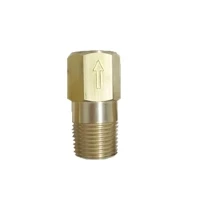
The impact of chemical substances on brass shut - off ball valves is a topic of significant importance, particularly for those in industries where these valves are in constant use. As a supplier of high - quality brass shut - off ball valves, I have witnessed firsthand the various effects that different chemicals can have on these essential components.
Corrosion: The Most Common and Damaging Effect
One of the most prominent effects of chemical substances on brass shut - off ball valves is corrosion. Brass, an alloy primarily composed of copper and zinc, is generally resistant to many environmental factors. However, when exposed to certain chemicals, it can undergo a corrosion process.
Acidic substances are a well - known culprit for brass corrosion. For example, sulfuric acid, which is commonly used in industrial processes such as battery manufacturing and metal cleaning, can react with the copper and zinc in brass. The acid can dissolve the zinc component in brass through a chemical reaction, a process known as dezincification. This leaves behind a porous, copper - rich layer that is much weaker and more prone to cracking and leaking. In applications where brass shut - off ball valves are used to control the flow of acidic solutions, such as in chemical processing plants, the risk of corrosion is high. If not properly addressed, the valve's functionality can be severely compromised, leading to costly repairs and potential safety hazards.
Alkaline substances can also cause problems for brass shut - off ball valves. Strong alkalis like sodium hydroxide can react with the copper in brass, forming copper oxides. These oxides can build up on the surface of the valve, causing it to become less smooth and increasing the friction between the ball and the valve seat. Over time, this can make it difficult to operate the valve, and in extreme cases, the valve may become jammed, preventing proper flow control.
Chemical Compatibility and Material Selection
To mitigate the effects of chemical substances on brass shut - off ball valves, it is crucial to consider chemical compatibility during the material selection process. Different chemical environments require different types of brass alloys or additional protective coatings.
For instance, in applications where the valves will be exposed to mild acids, a brass alloy with a higher copper content may be more suitable. Copper is more resistant to acidic corrosion than zinc, so a higher copper - to - zinc ratio can enhance the valve's corrosion resistance. Additionally, some brass alloys can be treated with special coatings, such as nickel plating. Nickel provides a protective barrier between the brass and the chemical environment, reducing the likelihood of corrosion.
As a supplier, I offer a wide range of brass shut - off ball valves designed to meet different chemical compatibility requirements. Our Brass Female To Male Mini Ball Valve is a compact and versatile option that can be used in various chemical applications. It is made from high - quality brass alloys and can be customized with appropriate coatings to enhance its chemical resistance.
Impact on Sealing Performance
Chemical substances can also have a significant impact on the sealing performance of brass shut - off ball valves. The valve's sealing mechanism relies on a tight fit between the ball and the valve seat. However, when exposed to certain chemicals, the materials of the ball and seat can degrade, leading to leakage.
Solvents, for example, can cause swelling or softening of the elastomeric seals commonly used in brass shut - off ball valves. This can result in a loss of the seal's integrity, allowing the fluid being controlled to leak past the valve. In applications where the valve is used to control the flow of solvents, such as in the paint and coating industry, it is essential to select seals that are compatible with the specific solvent.
Some chemicals can also cause the brass surface of the ball or seat to become pitted or roughened. This uneven surface can prevent a proper seal from being formed, even if the elastomeric seal is in good condition. In these cases, the valve may need to be replaced or refurbished to restore its sealing performance.
Our Brass Two Way straight female Ball Valve L Port Panel Mounted is designed with high - precision machining and quality seals to provide excellent sealing performance, even in challenging chemical environments. We carefully select the materials for the ball and seat to ensure compatibility with a wide range of chemicals.


Oxidation and Its Consequences
In addition to corrosion, oxidation is another effect that chemical substances can have on brass shut - off ball valves. Oxidation occurs when the brass reacts with oxygen in the air or dissolved in the fluid being controlled. This reaction forms a layer of copper oxide on the surface of the valve, which can change the appearance of the valve and also affect its performance.
The copper oxide layer can make the valve more difficult to operate, as it can increase the friction between moving parts. In some cases, the oxide layer can flake off, which can cause blockages in the valve or downstream piping. This is particularly problematic in applications where a clean and unobstructed flow is required, such as in medical or food processing industries.
To prevent oxidation, some brass shut - off ball valves can be treated with anti - oxidant coatings. These coatings create a barrier between the brass and the oxygen, reducing the rate of oxidation. Our Lead Free Brass Hose Barb Ball Valve is available with optional anti - oxidant coatings to ensure long - term performance in various environments.
Compatibility with Different Chemical Classes
It is important to understand the compatibility of brass shut - off ball valves with different classes of chemicals. For example, in the presence of halogens such as chlorine and bromine, brass can be highly susceptible to corrosion. Chlorine, which is commonly used in water treatment as a disinfectant, can react with the copper in brass to form copper chloride. This compound is highly soluble in water and can cause rapid corrosion of the valve.
On the other hand, some organic chemicals, such as alcohols and esters, may have a relatively low impact on brass shut - off ball valves. However, it is still necessary to test the compatibility of the specific valve and chemical combination, as some organic chemicals can contain impurities or additives that may cause problems.
Our Brass Three Way Ball Valve Female X Female is suitable for a variety of chemical applications. We can provide detailed information on its chemical compatibility based on the specific requirements of our customers.
The Role of Temperature and Pressure
The effects of chemical substances on brass shut - off ball valves can be further exacerbated by temperature and pressure. Higher temperatures can increase the rate of chemical reactions, making corrosion and oxidation more likely to occur. For example, in a hot water system where the water contains dissolved chemicals, the brass valve is more likely to corrode than in a cold water system.
Pressure can also play a role. High - pressure applications can cause the valve components to be under greater stress. If the valve is already weakened by chemical corrosion, the high pressure can cause the valve to fail more quickly. In such cases, it may be necessary to select a valve with a higher pressure rating or to use additional reinforcement measures.
Our Brass Instrumentation Two Way Angle Ball Valve is designed to withstand a wide range of temperatures and pressures. We use advanced manufacturing techniques to ensure the structural integrity of the valve, even in harsh chemical and physical environments.
Conclusion
In conclusion, chemical substances can have a wide range of effects on brass shut - off ball valves, including corrosion, degradation of sealing performance, oxidation, and more. As a supplier, we are committed to providing high - quality valves that are designed to withstand these challenges. By carefully considering chemical compatibility, material selection, and the operating conditions, we can offer solutions that meet the needs of our customers in various industries.
If you are in the market for brass shut - off ball valves and need to ensure their performance in a specific chemical environment, please do not hesitate to contact us for more information. We have a team of experts ready to assist you in selecting the right valve for your application and can provide detailed guidance on installation, maintenance, and chemical compatibility.
References
- "Corrosion of Metals in Industrial Environments", ASTM International
- "Valve Handbook", Crane Co.
- "Chemical Compatibility Guide for Engineering Materials", MatWeb