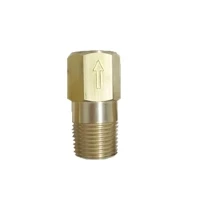
Hey there! As a supplier of brass fittings, I often get asked if our brass fittings can be used in low-temperature environments. It's a great question, and one that's important to answer correctly, especially if you're in an industry where low temperatures are the norm.
Let's start with the basics. Brass is an alloy made primarily of copper and zinc, and it's known for its corrosion resistance, durability, and versatility. But how does it hold up in cold weather? Well, the short answer is yes, brass fittings can generally be used in low-temperature environments. However, like any material, there are some things to consider.
Characteristics of Brass in Low Temperatures
Brass has some inherent properties that make it suitable for many low-temperature applications. First off, it maintains a relatively high level of strength even as the temperature drops. Unlike some metals that become brittle and prone to cracking in cold conditions, brass retains much of its ductility. This means it can bend and flex to a certain extent without breaking, which is a huge plus in situations where the fittings might experience some minor stress.
Another benefit is its good thermal conductivity. This property can be both an advantage and a drawback depending on the situation. On the plus side, it allows the fitting to quickly reach a stable temperature, which can be important in systems where temperature regulation is crucial. However, it also means that the fitting can transfer heat relatively quickly, which might be a concern in some extremely cold environments where heat conservation is key.
Types of Brass Fittings and Their Suitability
Now, let's talk about some of the specific brass fittings we offer and how they fare in low temperatures.
Brass Female Cross
The Brass Female Cross is a popular choice for many plumbing and industrial applications. It's designed to connect four pipes at right angles, and it can handle a fair amount of pressure and stress. In low temperatures, its brass construction helps it maintain its shape and integrity. The alloy composition of our brass female cross is carefully selected to ensure that it doesn't become too brittle, even when the mercury drops.
Dot Push In Male Run Tee Pipe
Our Dot Push In Male Run Tee Pipe is another great option. These fittings are commonly used in air brake systems, where reliability in all weather conditions is essential. The push-in design makes installation quick and easy, and the brass material provides excellent resistance to corrosion. In cold temperatures, the brass retains its elasticity, which helps to keep the seal tight and prevent leaks.
Brass Female Pipe Tee
The Brass Female Pipe Tee is a versatile fitting that's used in a wide range of plumbing and piping systems. It can connect three pipes, allowing for the distribution of fluids or gases. The brass used in our female pipe tees is formulated to be tough and durable, even in low-temperature settings. It can withstand the pressure changes that often occur in cold weather, making it a reliable choice for many applications.
Brass Compression Female Connector Fitting
The Brass Compression Female Connector Fitting is designed to create a tight seal between two pipes. The compression mechanism relies on the brass's ability to deform slightly without breaking. In low temperatures, the brass remains malleable enough to form a good seal, but it also retains its strength to prevent leaks. This makes it a popular choice for both residential and commercial plumbing systems in cold climates.


Brass Push On Hose Barb Splicer
Our Brass Push On Hose Barb Splicer is ideal for connecting hoses and other flexible pipes. The push-on design is simple and effective, and the brass material provides a secure grip. In cold temperatures, the brass resists cracking and remains firmly attached to the hoses, ensuring a reliable connection.
Factors to Consider
While brass fittings are generally suitable for low-temperature environments, there are some factors that can affect their performance.
Temperature Range
The first thing to consider is the specific temperature range. Brass can handle cold temperatures fairly well, but there is a limit. In extremely cold conditions, below, say, -20°C (-4°F), the risk of brittleness increases slightly. If you're operating in an environment that regularly reaches these temperatures, it's important to choose the right type of brass fitting and to take extra precautions, such as insulation.
Fluid or Gas Inside
The type of fluid or gas flowing through the fittings also matters. Some substances can react with brass under certain conditions, especially in low temperatures. For example, if the fluid contains a high concentration of sulfur or ammonia, it could potentially cause corrosion. It's important to make sure that the fluid or gas is compatible with the brass material.
Installation
Proper installation is crucial in any environment, but it's especially important in low-temperature settings. Make sure the fittings are tightened correctly and that there are no gaps or leaks. Any improper installation can lead to problems, such as leaks or even structural failure, especially when the temperature drops.
Tips for Using Brass Fittings in Low Temperatures
If you're planning to use brass fittings in a low-temperature environment, here are some tips to keep in mind:
- Insulate the Fittings: Adding insulation can help to protect the brass fittings from extreme cold and reduce the risk of heat loss. This is especially important in applications where heat conservation is important.
- Choose the Right Grade of Brass: Not all brass is created equal. Make sure you choose a grade of brass that is specifically designed for low-temperature applications. Our team can help you select the right fitting for your needs.
- Regular Maintenance: Regularly inspect the fittings for signs of wear, corrosion, or leaks. If you notice any issues, address them immediately to prevent further damage.
Conclusion
In conclusion, brass fittings can definitely be used in low-temperature environments, but it's important to understand their limitations and to take the necessary precautions. Our company offers a wide range of high-quality brass fittings that are suitable for various low-temperature applications. Whether you need a Brass Female Cross, a Dot Push In Male Run Tee Pipe, or any other type of brass fitting, we've got you covered.
If you're interested in learning more about our brass fittings or have any questions about using them in low-temperature environments, don't hesitate to get in touch. We're here to help you make the right choice for your project. Contact us today to start discussing your procurement needs!
References
- "Metallurgy of Brass Alloys" - A textbook on the properties and characteristics of brass alloys.
- "Plumbing Handbook" - A comprehensive guide to plumbing materials and their applications in different environments.
- "Industrial Piping Systems: Design and Installation" - A resource for understanding the use of fittings in industrial piping systems, including low-temperature applications.