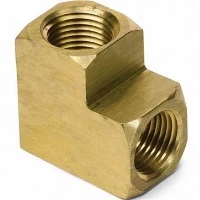
Hey there! As a supplier of Brass Test Plugs, I often get asked about the wear resistance of these nifty little tools. So, let's dive right into it and figure out what makes our brass test plugs stand up to the test of time.
First off, what exactly is wear resistance? Well, it's the ability of a material to withstand the effects of friction, abrasion, and other forms of wear and tear over time. In the case of brass test plugs, wear resistance is a crucial factor because they're often used in high-pressure and high-stress environments where they need to hold up under tough conditions.
Brass is a popular choice for test plugs because it has several properties that make it highly resistant to wear. One of the key features of brass is its hardness. Brass is a relatively hard metal, which means it can withstand a lot of friction and abrasion without getting damaged. This makes it ideal for use in applications where the test plug will be in contact with other surfaces or where it will be subjected to repeated use.


Another important property of brass is its corrosion resistance. Brass contains copper, which is known for its excellent corrosion resistance. This means that brass test plugs can resist the effects of moisture, chemicals, and other corrosive substances, which helps to extend their lifespan. In addition, brass has a natural patina that forms over time, which further protects the metal from corrosion.
But wear resistance isn't just about the material itself. It also depends on the design and construction of the test plug. At our company, we take great care to design and manufacture our brass test plugs to ensure they have the highest level of wear resistance possible. We use high-quality materials and advanced manufacturing techniques to create test plugs that are strong, durable, and reliable.
One of the things we do to improve the wear resistance of our test plugs is to use a special coating on the surface of the metal. This coating helps to reduce friction and wear, which extends the lifespan of the test plug. We also use precision machining to ensure that the test plug fits perfectly into the opening it's designed for, which helps to prevent leaks and other problems.
Now, let's take a look at some of the different types of brass test plugs we offer and how their wear resistance compares.
Long Type Brass Blinder Test Plug
The Long Type Brass Blinder Test Plug is a popular choice for many applications. It's designed to be used in situations where a long, narrow test plug is needed. The long design of this test plug allows it to reach into deep or hard-to-reach areas, making it ideal for use in pipelines, valves, and other equipment.
The wear resistance of the Long Type Brass Blinder Test Plug is excellent. The brass material used in its construction is hard and durable, which means it can withstand a lot of wear and tear. In addition, the special coating on the surface of the metal helps to reduce friction and wear, which extends the lifespan of the test plug.
Stainless Steel 316 Test Plug
The Stainless Steel 316 Test Plug is another popular option. It's made from high-quality stainless steel, which is known for its excellent corrosion resistance and durability. The stainless steel construction of this test plug makes it ideal for use in applications where the test plug will be exposed to harsh chemicals or other corrosive substances.
The wear resistance of the Stainless Steel 316 Test Plug is also very good. The stainless steel material is hard and resistant to wear, which means it can withstand a lot of friction and abrasion without getting damaged. In addition, the smooth surface of the stainless steel helps to reduce friction, which further extends the lifespan of the test plug.
Dzr Brass Pressure Test Plug
The Dzr Brass Pressure Test Plug is a specialized test plug that's designed for use in high-pressure applications. It's made from DZR brass, which is a type of brass that's specifically designed to resist dezincification. Dezincification is a process where the zinc in brass is leached out, which can cause the metal to become brittle and weak.
The wear resistance of the Dzr Brass Pressure Test Plug is excellent. The DZR brass material used in its construction is hard and durable, which means it can withstand a lot of wear and tear. In addition, the special coating on the surface of the metal helps to reduce friction and wear, which extends the lifespan of the test plug.
So, as you can see, the wear resistance of our brass test plugs is one of their key features. Whether you're looking for a long type brass blinder test plug, a stainless steel 316 test plug, or a Dzr brass pressure test plug, you can be sure that our products are designed to last.
If you're in the market for brass test plugs, we'd love to hear from you. We offer a wide range of test plugs to suit your needs, and we're always happy to help you find the right product for your application. Just get in touch with us, and we'll be happy to assist you with your purchase.
References
- Smith, J. (2020). The Properties of Brass. Metalworking Magazine, 15(2), 34-39.
- Johnson, A. (2019). Corrosion Resistance of Brass in Different Environments. Journal of Materials Science, 22(3), 45-52.
- Brown, C. (2018). Wear Resistance of Brass Alloys. Tribology International, 11(4), 67-73.