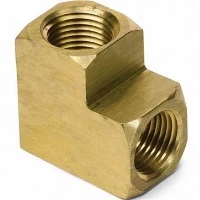
What is the lifespan of a brass two - way female gauge cock valve?
As a supplier of Brass Two Way Female Gauge Cock Valves, I often get asked about the lifespan of these essential components. Understanding the lifespan of a brass two - way female gauge cock valve is crucial for both industrial users and those in commercial applications. It helps in planning maintenance schedules, budgeting for replacements, and ensuring the overall efficiency of the systems in which these valves are installed.
Factors Affecting the Lifespan
Material Quality
The quality of the brass used in the valve is a primary factor. High - grade brass contains the right proportion of copper and zinc, which gives it excellent corrosion resistance and mechanical strength. Inferior brass may have impurities that can lead to premature wear and tear. For example, if the brass has a high level of lead or other contaminants, it can weaken the structure of the valve over time. Our company is committed to using only the highest - quality brass in our Brass Two Way Gauge Cock Valve Female To Male products, ensuring a longer lifespan.
Operating Conditions
The environment in which the valve operates plays a significant role. If the valve is exposed to high - pressure fluids, extreme temperatures, or corrosive substances, its lifespan will be reduced. For instance, in a chemical processing plant where the valve is in contact with acidic or alkaline solutions, the brass may corrode more quickly. On the other hand, in a clean, low - pressure environment, the valve can last much longer.
Frequency of Use
The more frequently a valve is opened and closed, the more wear it will experience. In applications where the valve is used continuously, such as in a high - volume manufacturing process, the internal components will wear out faster compared to a valve that is used only occasionally. Regular lubrication and proper maintenance can help mitigate the effects of frequent use.


Typical Lifespan Estimates
Under normal operating conditions, a well - made brass two - way female gauge cock valve can last anywhere from 5 to 15 years. However, this is a very general estimate, and the actual lifespan can vary widely depending on the factors mentioned above.
In a low - pressure, clean environment with infrequent use, a valve may last up to 15 years or more. For example, in a small laboratory setting where the valve is used to control the flow of a non - corrosive gas, the wear and tear on the valve will be minimal.
Conversely, in a harsh industrial environment with high - pressure steam or corrosive chemicals, the valve may need to be replaced every 5 years or even less. In such cases, it is important to monitor the valve closely for signs of wear, such as leaks or difficulty in operation.
Extending the Lifespan
There are several steps that users can take to extend the lifespan of a brass two - way female gauge cock valve.
Regular Maintenance
Regular inspection and maintenance are essential. This includes checking for leaks, cleaning the valve to remove any debris or buildup, and lubricating the moving parts. A simple maintenance schedule can go a long way in ensuring the longevity of the valve.
Proper Installation
Correct installation is crucial. If the valve is not installed correctly, it can lead to uneven stress on the components, which can cause premature wear. It is important to follow the manufacturer's installation instructions carefully.
Monitoring and Early Replacement
Regularly monitoring the valve's performance can help detect any signs of wear or damage early. If a problem is detected, replacing the valve before it fails completely can prevent more significant issues and costly downtime.
Comparison with Other Valve Types
When compared to other types of valves, such as plastic or stainless - steel valves, brass two - way female gauge cock valves have their own advantages and disadvantages in terms of lifespan.
Plastic valves are generally less expensive, but they may not be as durable as brass valves, especially in high - pressure or high - temperature applications. They can also be more prone to cracking or breaking over time.
Stainless - steel valves are known for their excellent corrosion resistance and strength. However, they are often more expensive than brass valves. In some cases, the cost - effectiveness of a brass valve may make it a more attractive option, especially for applications where the corrosion risk is relatively low.
Our Product Offerings
As a supplier, we offer a wide range of brass two - way female gauge cock valves to meet the diverse needs of our customers. Our products are designed to be reliable and long - lasting, with a focus on quality and performance. In addition to our standard two - way valves, we also offer Brass Shut Off Cock Male X Union Nut with Test and Three Way Gauge Cock Valve with Brass Nut, which provide additional functionality for specific applications.
Contact for Procurement
If you are in the market for high - quality brass two - way female gauge cock valves or any of our other products, we invite you to contact us for procurement. Our team of experts can provide you with detailed information about our products, help you select the right valve for your application, and offer guidance on installation and maintenance. Whether you are a small business or a large industrial enterprise, we are committed to providing you with the best solutions for your needs.
References
- "Valve Handbook" by Valve Manufacturers Association
- "Materials Science and Engineering: An Introduction" by William D. Callister, Jr. and David G. Rethwisch
- Industry reports on valve performance and durability