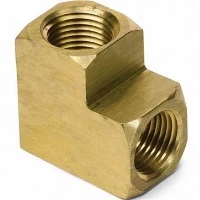
As a supplier of brass fittings, I've been getting a lot of questions lately about whether brass fittings can be used in renewable energy systems. It's a great question, and one that I'm excited to dive into.
Renewable energy systems, like solar panels, wind turbines, and hydropower plants, are becoming more and more popular as we look for ways to reduce our reliance on fossil fuels. These systems require a variety of components to function properly, and fittings are a crucial part of the equation. So, can brass fittings fit the bill? Let's take a closer look.
The Properties of Brass
First off, it's important to understand what brass is and why it might be a good candidate for renewable energy applications. Brass is an alloy made primarily of copper and zinc. This combination gives brass a number of desirable properties:
- Corrosion Resistance: Brass has a pretty good resistance to corrosion, which is a big deal in many renewable energy systems. For example, in solar thermal systems where water is often heated and circulated, any fittings in contact with the water need to be able to withstand rust and other forms of corrosion over the long term.
- Strength and Durability: It's strong enough to handle the pressures and stresses that come with most renewable energy applications. Whether it's the pressure in a hydropower pipeline or the forces exerted on components in a wind turbine, brass can hold up.
- Machinability: Brass is easy to machine, which means it can be made into all sorts of different fitting shapes and sizes. This versatility is a huge plus when you're designing a complex renewable energy system.
Applications in Solar Energy Systems
Solar energy is one of the most widely used forms of renewable energy, and brass fittings can play an important role here.
In solar thermal systems, which capture the sun's heat to warm water or other fluids, brass fittings are used to connect pipes that carry the heated fluid. For example, our Brass Pex Coupling can be used to join polyethylene cross-linked (PEX) pipes in these systems. PEX pipes are commonly used in solar thermal installations because of their flexibility and resistance to hot water. The brass coupling ensures a secure and leak - proof connection, which is essential for the efficient operation of the system.
In photovoltaic (PV) systems, which convert sunlight directly into electricity, brass fittings might not be as directly involved in the energy - conversion process. However, they can still be used in the support structures and wiring management. For instance, brass bulkhead fittings can be used to pass wires through panels or enclosures while maintaining a watertight seal. Check out our Brass Bulkhead Pipe Fitting for this kind of application.
Use in Wind Energy Systems
Wind turbines are another major player in the renewable energy field. Brass fittings have potential applications here too.


In the hydraulic systems of wind turbines, which are used for pitch control (adjusting the angle of the turbine blades) and braking, brass fittings can be used to connect hydraulic lines. These fittings need to be reliable and able to withstand high pressures. Our Dot Push In 90 Degree Male Elbow can be a great option for making angled connections in these hydraulic lines. It's easy to install and can handle the pressure demands.
Also, in the electrical wiring and grounding systems of wind turbines, brass fittings can be used to secure and connect wires. Brass is a good conductor of electricity, and its corrosion resistance helps maintain a stable electrical connection over time.
Hydropower and Brass Fittings
Hydropower systems, which generate electricity from the energy of flowing water, also have a place for brass fittings.
In small - scale hydropower plants, brass fittings can be used in the water intake, penstock (the pipe that carries water to the turbine), and discharge systems. For example, our Dot Push In Male Run Tee Pipe can be used to split or combine water flow in the pipeline network. This type of fitting needs to be able to handle the water pressure and the abrasive nature of the water, and brass is up to the task.
In larger hydropower installations, brass fittings can be used in control systems and instrumentation. They can connect sensors and valves, ensuring accurate measurement and control of the water flow and pressure.
Considerations and Limitations
While brass fittings have many advantages for renewable energy systems, there are also some things to keep in mind.
- Chemical Compatibility: In some cases, the fluids or gases used in renewable energy systems might react with brass. For example, if there are high levels of certain chemicals in the water in a solar thermal system, it could cause accelerated corrosion of brass fittings. It's important to test the compatibility before using brass in a particular application.
- Cost: Brass is generally more expensive than some other materials like plastic. In large - scale renewable energy projects, the cost of using brass fittings can add up. However, the durability and performance of brass might make it a cost - effective choice in the long run.
Conclusion
In conclusion, brass fittings can definitely be used in renewable energy systems. Their corrosion resistance, strength, and machinability make them suitable for a wide range of applications in solar, wind, and hydropower systems. From connecting pipes in solar thermal systems to joining hydraulic lines in wind turbines, brass fittings have a lot to offer.
If you're working on a renewable energy project and need high - quality brass fittings, I'd love to chat. We've got a wide range of products, including the ones I've mentioned in this blog post, like the Brass Pex Coupling, Dot Push In 90 Degree Male Elbow, Brass Garden Hose Swivel Adapter, compression To Female With Washer, Dot Push In Male Run Tee Pipe, and Brass Bulkhead Pipe Fitting. Let's talk about how we can meet your specific needs.
References
- ASM International. (2001). Brass Alloys: Properties and Applications.
- Renewable Energy World. (2023). Components in Renewable Energy Systems.