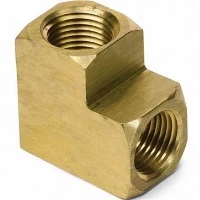
Alright, let’s cut to the chase—if you’re in the leather manufacturing game, you know every piece of gear matters. Whether you’re prepping hides, tanning, dyeing, or finishing, even small tools can make or break quality, waste, and downtime. Lately, I’ve been fielding a ton of questions from tannery managers and production leads: can a Stainless Steel 316 Test Plug actually work in their day-to-day operations? As a supplier of these test plugs, I get the skepticism—leather industries have unique chemical, moisture, and temperature vibes that can chew through the wrong materials. Let’s break this down like we’re talking shop over a coffee, no jargon nonsense. First, let’s set the scene: what’s a test plug doing in a leather factory anyway? Most people picture them in plumbing or hydraulic lines, right? Tanneries have tons of closed-loop systems—water for rinsing hides, chemical solution tanks, steam lines for heating, even compressed air systems for moving materials around. When those systems need maintenance, pressure testing, or flushing, you need a plug that seals tight and doesn’t corrode. That’s where test plugs come in. Now, let’s talk leather manufacturing’s biggest material pain points that most plugs can’t handle. First off, tanneries use some harsh chemicals: pickling agents (like sulfuric acid), tanning solutions (chromium-based or vegetable-based, but even veg can be acidic over time), degreasers, and dye stuffs. Also, the air in many tanneries is super humid—from constant rinsing and water-based processes—so moisture is non-stop. Temperatures too: tanning often uses warm to hot solutions, some lines hit 140°F or higher. Cheap test plugs, like generic brass ones or even some low-grade stainless, get wrecked here. Wait, I should mention the Dzr Brass Pressure Test Plug here—we sell brass plugs too, but let’s be real, brass has its limits. It works for low-stress, non-acidic systems, but throw in sulfuric acid or high humidity for months, and brass will pit, leak, and break. I’ve seen tanneries go through a dozen brass plugs in a year because they can’t handle consistent chemical exposure. Then there’s another option: Brass Self Sealing Test Plug. These might seem convenient, but their rubber seals—wait, most self-sealing plugs use Buna-N or EPDM rubber. If your tannery uses things like mineral spirits for degreasing or certain synthetic dyes, those seals can swell, crack, or lose their grip, making the plug useless. Same with Long Type Brass Blinder Test Plugs—good for temporary line blinds, but brass still falls short on corrosion resistance when acids are involved. Now, back to the star: Stainless Steel 316 Test Plug. Let’s get science-y but keep it casual. 316 stainless is different from regular 304—think of 304 as the reliable friend who’s fine for everyday stuff, and 316 as the one who shows up when you need to handle tricky situations. What makes it perfect for tanneries? First, it has molybdenum added to the alloy, right? That extra element is the game-changer for resisting chloride corrosion, which is super common in tanneries—from rinse water, sweat residue on hides, even some chemical additives. Chlorides eat through most metals because they break down the protective oxide layer that stops rust. 316’s molybdenum boosts that layer, so it holds up way better. Second, it handles acids way better than brass. Pickling is a big early step in leather making—you use dilute sulfuric or hydrochloric acid to remove hair, flesh, and adjust pH on hides. Low concentrations of these acids won’t faze 316 stainless, but brass? It starts to corrode, leach copper into the solution, and that’s a huge no-no for leather quality—contaminants in tanning solutions can ruin entire batches of hides, costing thousands in wasted material. I’ve had a tannery client tell me they switched to our Stainless Steel 316 Test Plugs last year after losing a whole batch of top-grain leather because a brass plug in their pickling line corroded, leaked acid, and messed up the pH of 500+ hides. That’s the kind of headache we’re talking about. Now, what about practical use cases in leather manufacturing, not just lab stuff? Let’s list where 316 test plugs shine: 1. Closed-loop rinse water systems: These have high humidity, occasional residual chemicals, and constant pressure. 316 doesn’t pit, so seals (we pair our plugs with EPDM or Viton seals, by the way—Viton is better for higher temps and chemical resistance) stay intact, no leaks. 2. Steam lines for heating tanning drums: Steam lines can get up to 160°F, and while they might not have harsh chemicals, the moisture (steam) plus temperature can make brass seize or corrode over time. 316’s strength and corrosion resistance mean the plug will unscrew easily when you need it, no stripping or breaking off in the line. 3. Chemical transfer lines: If you’re moving tanning agents, dyes, or degreasers, the plug needs to hold pressure while testing for leaks, and not leach any metals that would alter the chemical composition. 316 is inert enough that it won’t react with most tanning chemicals, so your formulations stay consistent. But wait, is there any catch? Let’s be honest, no product is perfect for every job. If your tannery only has cold, plain water lines with zero chemicals, a brass plug like the Dzr Brass Pressure Test Plug is fine—cheaper, and gets the job done. But if you’re dealing with acidic solutions, high humidity, or consistent temperatures over 120°F, 316 is the way to go. Also, make sure you’re getting a real 316 plug, not a knockoff that’s labeled 316 but is actually lower-grade stainless. That’s a big thing—some suppliers cut corners, use 304 or even lower alloys, and they’ll corrode just like brass. When we sell our Stainless Steel 316 Test Plug, we test every batch for alloy composition to make sure it’s legit, so our clients don’t get stuck with duds. Another point: maintenance downtime in tanneries is expensive. Every hour a line is down for repairs or redoing a bad pressure test costs money—wasted labor, spoiled materials, delayed production. How much does a plug cost? A good 316 plug might be 2-3x more expensive than a brass one, but if it lasts 5-10x longer, and prevents a batch ruin, that’s a no-brainer. I had another client who ran the numbers: they were spending $800 a year on brass plugs, replacing them every 2 months, plus $5k a year in batch losses from leaks. After switching to our 316 plugs, they spend $1,200 a year on plugs and $0 on batch losses. That’s a $5k annual savings just from switching. Now, let’s talk about installation tips—because even the best plug is useless if installed wrong. For leather systems, you want a plug with a tight seal, so go for one with tapered threads (our Stainless Steel 316 Test Plugs come with precision tapered threads) that you can wrap with Teflon tape, or use a thread sealant that’s compatible with chemicals you’re using. Avoid over-tightening, though—you can strip the threads, and 316 is strong, but still, too much torque will damage it. Also, if you’re working with highly acidic solutions, use Viton seals instead of EPDM—Viton resists acid swell way better. Now, should every leather manufacturer switch to 316 plugs? No, but if you’re doing any of these processes: acidic pickling, tanning solution tanks, high-temperature steam lines, or closed-loop chemical systems, you absolutely should consider it. A lot of tanneries stick to brass because that’s what they’ve always used, but they don’t factor in the hidden costs of corrosion, leaks, and batch waste. Let’s be real—leather is a premium product, and quality control is everything. You don’t want a tiny test plug messing up a hide that’s going to be used for a luxury handbag or a high-end sofa. What about other test plug types? The Brass Self Sealing Test Plug is great for temporary use, like when you need to seal a line for a day or two, not long-term. Same with the Long Type Brass Blinder Test Plug—good for isolating a line during maintenance, but not for regular pressure testing with harsh chemicals. I always tell clients: match the plug to the job, not the price tag. If it’s a quick, low-stress job, go for brass. If it’s ongoing, high-stress, chemical-exposed work, 316 is worth the investment. At the end of the day, we’re not just selling plugs—we’re helping tanneries avoid headaches and save money. If you’re a leather manufacturing manager, plant engineer, or maintenance lead reading this, and you’re tired of dealing with corroded test plugs, leaky lines, and ruined batches, hit us up to chat. We can walk you through which plug works for your specific systems, answer any questions about 316 vs. brass, and even help you test a few plugs to see how they hold up in your environment. Don’t let a small part like a test plug slow down your whole operation or cost you thousands in wasted materials. Let’s make your lines run smooth and your batches stay consistent. References: 1. "Corrosion Resistance of Stainless Steel Alloys in Industrial Chemical Environments", Materials Performance, 2022. 2. "Tannery Process Chemicals and Material Compatibility", Journal of Leather Science and Technology, 2021. 3. "Cost Analysis of Test Plug Materials in Industrial Process Systems", Industrial Maintenance & Plant Operation, 2023.