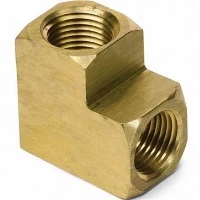
Hey there! As a supplier of brass test plugs, I've seen firsthand how these little guys perform in all sorts of environments. Today, I want to talk about how a brass test plug does in dusty environments.
First off, let's understand what a brass test plug is. It's a tool used to seal off openings in pipes, valves, or other equipment during pressure testing. Brass is a popular choice because it's durable, corrosion - resistant, and relatively easy to machine.
Now, when it comes to dusty environments, there are a few things to consider. Dust can be a real pain in the neck for any mechanical device, and brass test plugs are no exception.
Impact of Dust on Brass Test Plugs
Sealing Performance
One of the most critical aspects of a test plug is its ability to create a tight seal. Dust particles can get in between the plug and the surface it's supposed to seal against. This can prevent the plug from making full contact, leading to leaks. For example, if you're testing a high - pressure system, even a tiny leak can throw off your test results.
But here's the good news. Brass test plugs are designed with precision. The threads on a brass test plug are cut accurately, which helps to push the dust aside as the plug is tightened. The smooth surface of the brass also makes it less likely for dust to stick compared to some other materials.
Wear and Tear
Dust is like sandpaper. It can cause abrasion on the surface of the brass test plug. Over time, this abrasion can wear down the threads, making the plug less effective at sealing. The constant rubbing of dust particles can also lead to scratches on the body of the plug.


However, brass is a tough material. It has a certain level of hardness that allows it to withstand some degree of abrasion. Regular maintenance, like cleaning the plug after use in a dusty environment, can significantly extend its lifespan.
Corrosion Risk
Dust in some environments may contain chemicals or moisture. When these substances come into contact with the brass test plug, they can increase the risk of corrosion. For instance, if the dust has a high salt content, it can accelerate the corrosion process.
But brass has natural anti - corrosion properties. It forms a thin oxide layer on its surface, which acts as a barrier against corrosion. This oxide layer can protect the plug to a certain extent, but it's still important to take precautions.
How to Mitigate the Effects of Dust
Pre - cleaning
Before using the brass test plug, it's a good idea to clean the area where it will be inserted. This can remove a significant amount of dust and debris. You can use a brush or compressed air to blow away the dust.
Lubrication
Applying a suitable lubricant to the threads of the brass test plug can help. The lubricant not only makes it easier to insert and remove the plug but also helps to prevent dust from sticking to the threads. It can also reduce the friction between the plug and the surface, minimizing wear.
Storage
Proper storage is crucial. After use in a dusty environment, clean the plug thoroughly and store it in a clean, dry place. This can prevent dust from accumulating on the plug over time and reduce the risk of corrosion.
Our Product Range
We offer a variety of brass test plugs to suit different needs. For example, our Stainless Steel 316 Test Plug is a great option if you're looking for even more corrosion resistance. It combines the strength of stainless steel 316 with the functionality of a test plug.
Our Brass Self Sealing Test Plug is designed to create a tight seal without the need for additional gaskets. This can be very useful in dusty environments where gaskets might collect dust and lose their effectiveness.
And if you need a high - pressure solution, our Dzr Brass Pressure Test Plug is the way to go. DZR brass is known for its high strength and resistance to dezincification, making it ideal for demanding applications.
Conclusion
In conclusion, while dusty environments can pose challenges for brass test plugs, they are still a reliable choice. With proper care and maintenance, these plugs can perform well and provide accurate test results. If you're in the market for high - quality brass test plugs, we're here to help. Whether you're dealing with a dusty industrial site or any other testing scenario, our products are designed to meet your needs.
If you're interested in learning more about our brass test plugs or have any questions regarding their performance in dusty environments, feel free to reach out. We're always happy to have a chat and help you find the right solution for your specific requirements. Let's start a conversation about your procurement needs and see how we can work together!
References
- Smith, J. (2018). "Materials for Pressure Testing Equipment". Industrial Materials Journal.
- Johnson, A. (2019). "The Impact of Environmental Factors on Mechanical Devices". Engineering Studies Quarterly.